Competition is heating up in the race to install home battery systems, with heavy hitters and nimble startups all vying for a piece of the market.
Tesla may have led the pack for years, but recently it has been feeling the heat from upstarts like Base Power, which has raised $2 billion in less than a year. The automaker-cum-energy company recently introduced a new Powerwall battery leasing plan that cuts the monthly price by more than two-thirds, an apparent response to all that competition.
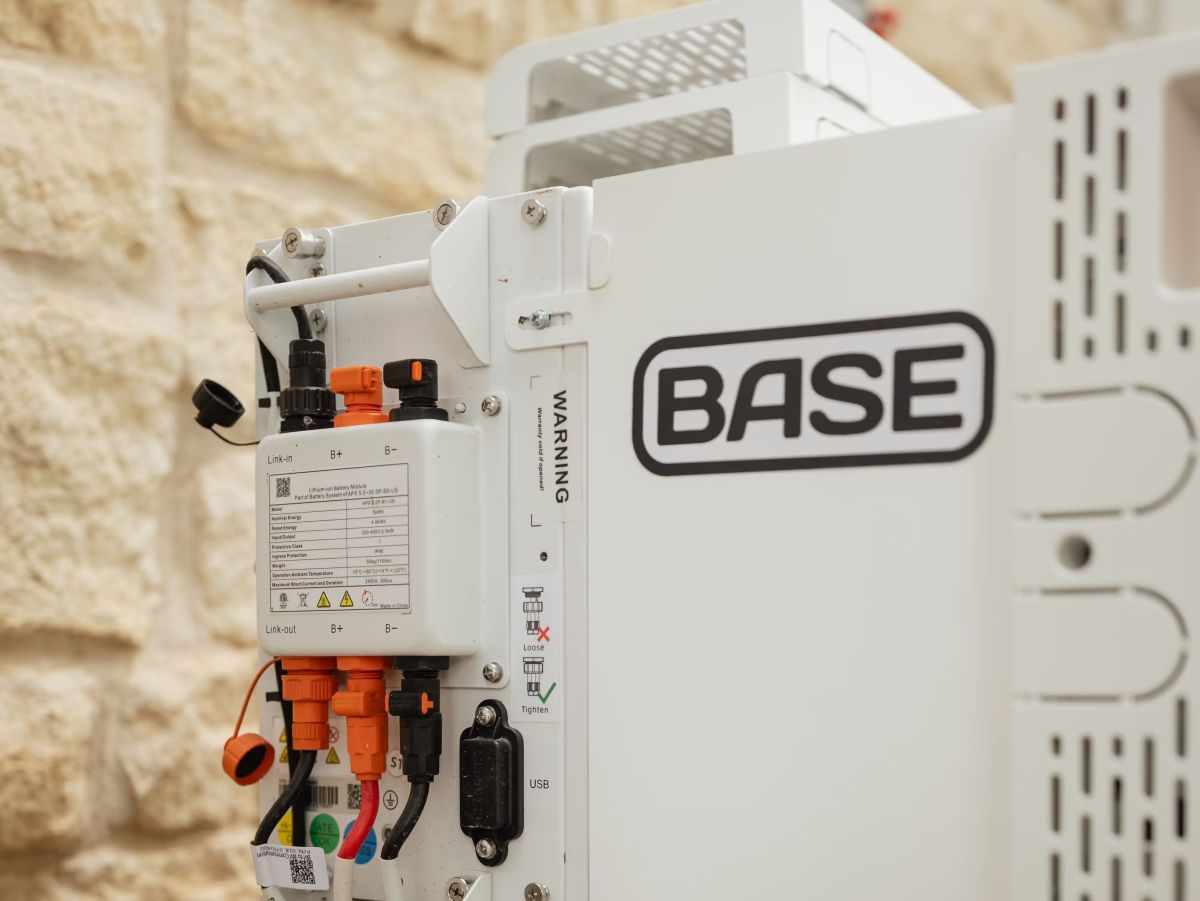
Just how steep is that price cut? Home batteries typically cost more than $10,000 installed, making them attractive only to people with deep pockets who already have solar panels generating more power than they can use. But now, homeowners in Texas can lease either 27 kilowatt-hours’ of worth of Tesla Powerwalls for $35 per month or 39.2 kilowatt-hours of Base Power batteries for $19.
That kind of pricing is only possible because of two things: declining battery costs, and a technology known as the virtual power plant (VPP). A VPP aggregates and coordinates distributed energy resources like batteries and, in some cases, water heaters so that thousands of individual devices behave on the grid like a single large power plant, one that a utility can call on when it needs extra electricity. Companies like Tesla and Base Power, for example, can use their battery fleets as a VPP to help utilities and grid operators fill in gaps during periods of high demand.
The market for this technology is still small — $7.4 billion today — but it’s expected to top $30 billion by 2033, according to Grandview Research.
Traditionally, to handle spikes in demand, utilities have had two options: build expensive, specialized power plants known as “peaker plants,” which only run during periods of high demand, or pay large energy users, like factories, to disconnect for a few hours. Now, they can pay a VPP instead.
VPP operators charge the batteries when electricity rates are low, then sell that stored power back to the grid at a profit when demand sends prices soaring. The operator pockets a chunk of those profits, passing some on to consumers in the form of low electricity prices, cheap backup batteries, or both.
“There are resiliency needs everywhere,” Tim Pianta, head of utility partnerships at Base Power, told TechCrunch. “Our goal is to have it be a win-win, like it’s a no brainer.”
As electricity demand rises on the back of AI data centers and the electrification of the economy, utilities and grid operators are embracing VPPs with newfound fervor.
VPPs also have a speed advantage. Unlike building a peaker power plant, which can take years, VPPs can be built in months since installing batteries in people’s homes eliminates many land, permitting, and interconnection headaches. Base Power has a deal with CoServ, a North Texas electricity cooperative, to build a 100 megawatt VPP, for example. A traditional 100-megawatt power plant would take two to four years to come online, Pianta said. “We’re on pace to install that in under 12 months.”
Because VPPs rely on assets like batteries that are spread out across the grid, near where people actually use electricity, utilities don’t have to spend as much building new power lines and other infrastructure to support them, either.
It wasn’t always obvious that VPPs could play a key role in the grid. For years, Tesla operated a VPP using its Powerwall fleet, but it didn’t market it that way to consumers. Instead, Tesla encouraged homeowners to use their batteries for arbitrage with their electricity supply, charging their batteries with cheap, excess solar power during the day and drawing them down at night.
It worked well enough to get more than 6.7 gigawatts’ worth of Powerwalls installed, but newcomers like Base Power and its monthly battery plan are pushing Tesla to change tack. Base Power has been installing 8 megawatt-hours’ worth of batteries every day, a rate it hopes to double by the end of the year.
“We’ve always anticipated competition to come into the space,” Pianta said. “We wouldn’t have started a company if we didn’t think there was a really big opportunity here.”
Software gives VPPs another edge. Utility-scale batteries, which are VPPs’ closest competitor, are at a disadvantage because they have to connect directly to the grid, which means dealing with congestion and long wait times to connect to it. “A distributed storage solution is able to clear both of those hurdles,” Pianta said.
While VPPs are gaining traction in a few markets like Texas and California, they’re likely to spread nationwide in the coming years as data centers look for ways to connect to the grid faster, said Nicole Tomasin, chief commercial officer at Energy Access Innovations.
“As we see more hyperscalers, more data centers coming online, I think more [VPP] programs are going to be accelerated because we’re accelerating demand,” she told TechCrunch. “They’re not buying kilowatt-hours, they’re buying interconnect speed at that point. A distributed fleet can be assembled in months against a queue that takes years.”
When you purchase through links in our articles, we may earn a small commission. This doesn’t affect our editorial independence.
Tim De Chant is a senior climate reporter at TechCrunch. He has written for a wide range of publications, including Wired magazine, the Chicago Tribune, Ars Technica, The Wire China, and NOVA Next, where he was founding editor.
De Chant is also a lecturer in MIT’s Graduate Program in Science Writing, and he was awarded a Knight Science Journalism Fellowship at MIT in 2018, during which time he studied climate technologies and explored new business models for journalism. He received his PhD in environmental science, policy, and management from the University of California, Berkeley, and his BA degree in environmental studies, English, and biology from St. Olaf College.
You can contact or verify outreach from Tim by emailing tim.dechant@techcrunch.com.
Scale faster. Grow your portfolio. Gain practical expertise. No matter your goal, Disrupt can empower you.Save up to $300 today!
Stripe will reportedly acquire AI gateway startup OpenRouter for $7B+
Anthropic shares more details about how Claude’s new watermarks will work
7 desk gadgets that can make your workday better
Apple proposes to take a 15% cut of purchases made outside the App Store
If Apple sends you a push notification alerting you to a spyware attack, take it seriously
Anthropic set AI agents loose on the same task. They started a turf war.