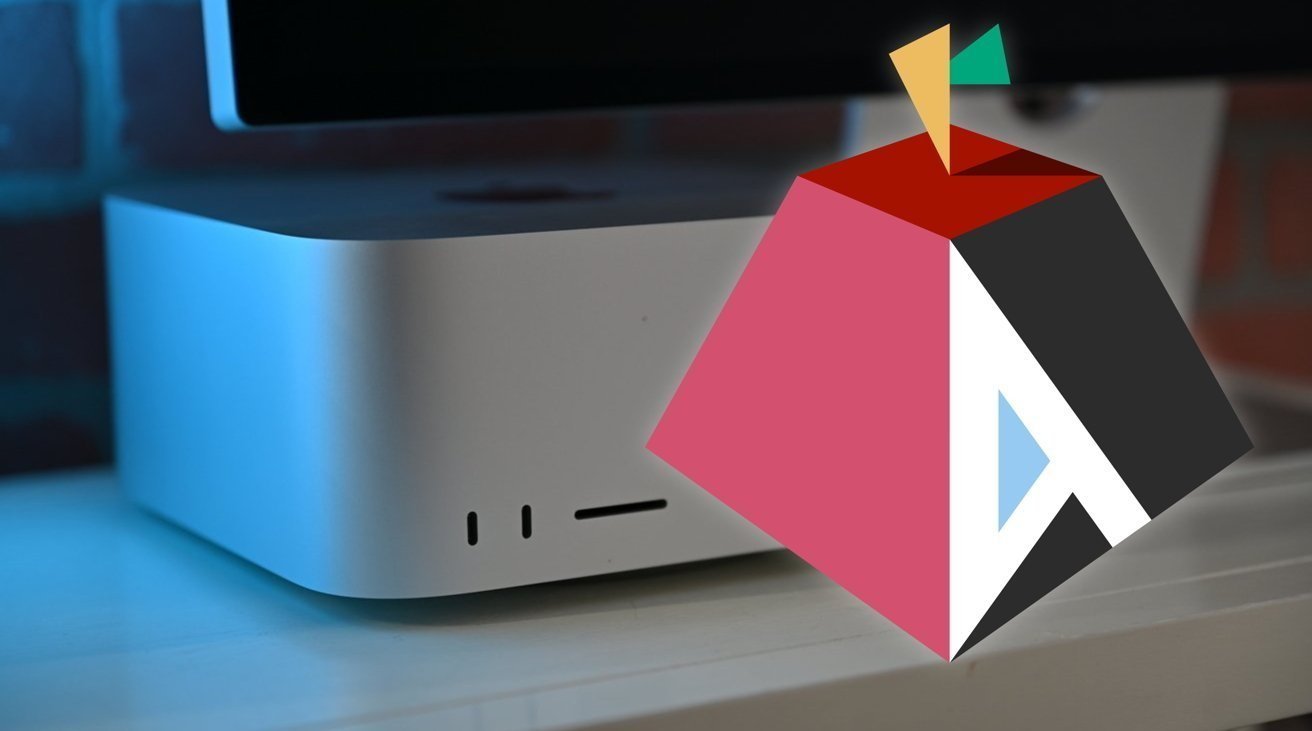
The Asahi Linux project now officially supports Macs with an M3, M3 Pro, or M3 Max chip, bringing the operating system to more Apple Silicon desktops.
In late August, a blog post for the Asahi Linux project, which intends to bring Linux to Apple Silicon and run natively on Apple's ARM chips, said M3 support was on the way. While it said that it was a matter of weeks, it seems to have arrived in a much quicker timeframe.
A blog post on September 6 declares support for Macs using an M3-series SoC. This now extends support beyond the previous M1 and M2 generations of Apple Silicon.
It's not full support for M3, however. It's warned that M3 Ultra is not yet supported by the operating system, leaving out some Mac Studio users from the Linux party.
Almost everything supported in the M1 and M2 releases now "just works" on M3, the developers claim. That includes webcam support, the internal microphones, USB up to the USB 3 10Gb/s limit, Wi-Fi, Bluetooth, and hardware-accelerated video decoding support.
When it comes to major exceptions, the short list includes full DCP support and the GPU. That said, updates to those are expected to arrive within the next few months.
Sleep is also not functional in the release, due to limitations with the firmware-provided framebuffer. This should be addressed once full DCP support is enabled.
DCP support will also help with video. Currently, the HDMI port on equipped MacBooks is disabled until that support arrives.
While M3 support is now here, the project still has more work to undertake. Development is ongoing to support M4 and M5 chips.