Both serve the same purposes, but there are some subtle differences.
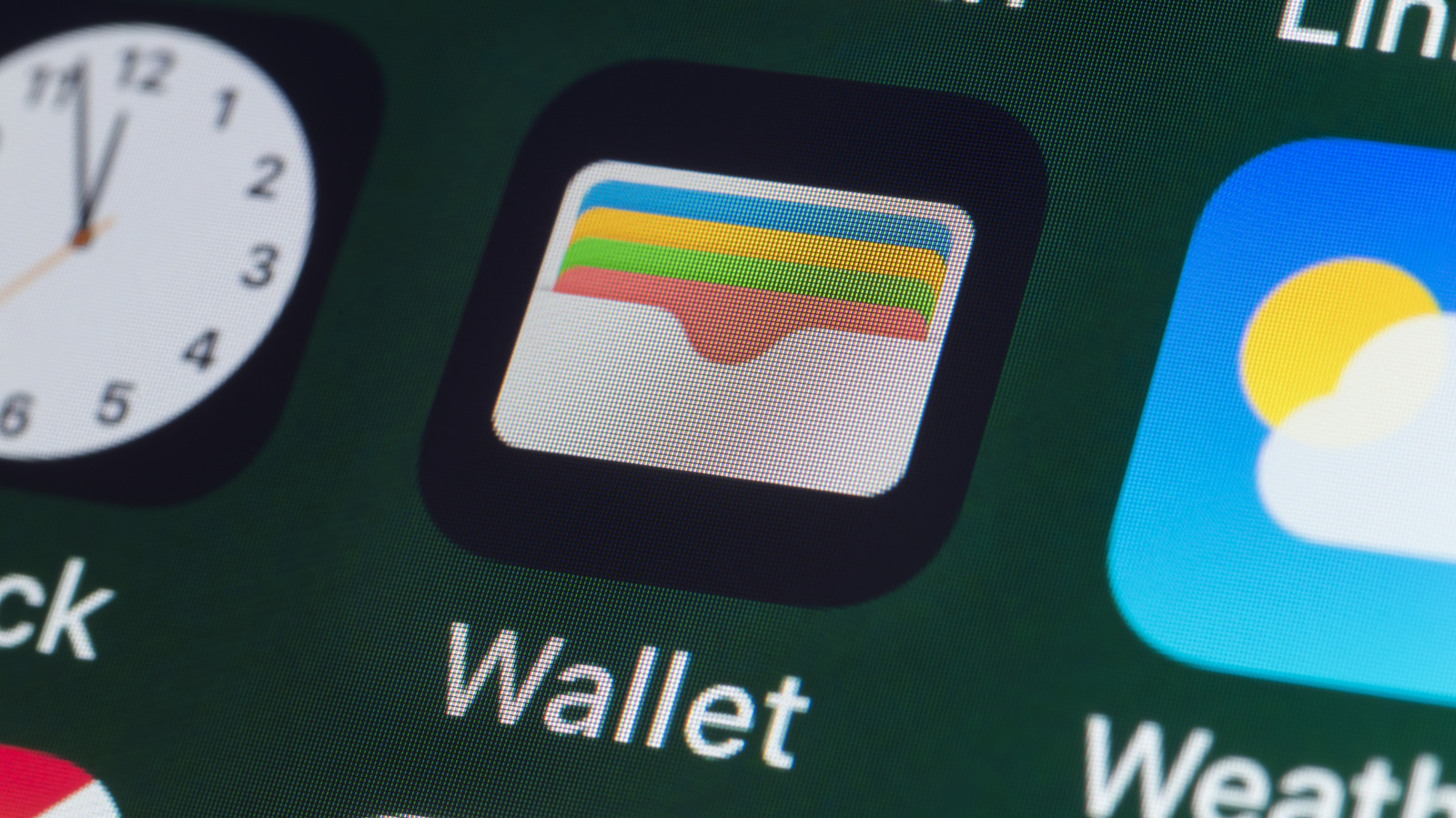
Apple Wallet and Google Wallet, as their names suggest, have similar purposes. You use them as your digital wallet: a secure place to keep your payment cards, tickets and other everyday passes on your phone. Apple Pay and Google Pay are the services that handle the payments, but it's the Wallet apps that store everything. The names are often used interchangeably, though they refer to different parts of a connected process.
As long as the retailer accepts mobile payments and your card's payment network, and your card provider supports the wallet service, you should be able to use your digital cards to pay in-store and online. Which one you use is dictated by whether you own an iPhone or an Android phone. They're both similar in the basics, but have some differences in what you can add and how you're able to use them.
Google and Apple both want the Wallet app to be your go-to place for everything you'd otherwise stick in your physical wallet or purse. Credit and debit cards are the obvious items, but this also also includes loyalty cards, gift cards, boarding passes, event tickets, and train or bus tickets. It can even hold NFC-supported passes, like a digital hotel key or car key, as well as workplace access cards for buildings. This all depends on your location and whether the company providing the pass supports digital wallets. As long as NFC support is there, there's a chance it'll work.
Getting your payment cards into either app is straightforward. In Apple Wallet, tap the plus button and choose Debit or Credit Card. In Google Wallet, tap Add to Wallet > Payment card. You'll need to follow the prompts, then verify with your bank or card provider. As long as the issuing entity supports this function, the card should then be set up for you to use.
Some differences become apparent in support for other passes. Apple Wallet expects items you're adding to officially support digital wallets; you'll usually see an Add to Apple Wallet button in emails, apps or similar. This is useful, as it means the Wallet app can support specific features. For instance, if an airline supports it, a boarding pass will automatically update with gate numbers, while also showing up on your Apple Watch. The experience is uniform, with a strict Apple template for passes and cards. Though in iOS 27, you can now add custom passes for otherwise unsupported items.
Google Wallet has been more flexible for a longer time. It offers official Add to Google Wallet passes and can also import tickets and boarding passes from your Gmail inbox. More importantly, though, is its Everything Else option for digitizing photos of random cards and passes in your wallet. This makes it easy to store a parking, library or gym card. They'll lack the live updates, but this support means you can move to a fully digital setup, even for the analog items in your wallet.
Both Google Wallet and Apple Wallet are supposed to offer seamless experiences, which they do for the most part. Google Wallet is accessible through a web interface, while Apple Wallet isn't.
To pay in-person using an iPhone with Face ID, you'll normally double-click the side button, authenticate with your face or passcode, then hold your phone near the reader. Older iPhones use Touch ID instead. With Google Wallet, you don't need to press a button; just unlock your phone and hold it near the contactless reader. Your default card will handle the payment; you'll need to open the app to choose another card. With Apple Wallet, you can pick a card before paying.
You can customize this slightly. If your iPhone has the Action button, you can assign a Shortcut to open Wallet, although this isn't terribly useful since double-pressing the Side button already does this. Google Wallet supports shortcuts too, including a double-press of the power button on certain Pixel phones. This is worth using if you often pay with different cards.
You can also pay from your wrist with an Apple Watch or a compatible NFC-enabled Wear OS watch. Double-click the side button on Apple Watch or open Google Wallet on Wear OS, then hold your watch near the reader to make the payment.
Both apps can quickly make transit payments without authentication when you hop onto a supported bus, train or tram. Apple Wallet's Express Mode lets you use eligible cards without waking or unlocking your iPhone, while Google Wallet's Express Pay will also make transit payments without verification (though your phone screen needs to be on). Apple's got the advantage here: on supported iPhones, eligible Express Cards can work for up to five hours after the battery runs out. This doesn't work if you turn off the phone yourself.
Digital IDs are a little more complicated. Unlike the banking world, support for digital IDs rests on states and governments. Thus, where you live matters more than anything, and advancements can take a long time.
Google Wallet can create an ID pass from a passport issued by certain countries, but it isn't a replacement for the physical document and won't be universally accepted. Apple lets you add a driver's license or state ID from participating US states and territories, but you'll still need your physical ID wherever the digital version isn't accepted (a lot of places, currently). Google Wallet also supports digital IDs, but like Apple Wallet, the support varies.
Even if your government has a digital ID program, there's no guarantee that it'll include support for Google Wallet or Apple Wallet. For instance, in the UK, plans for a digital driver's license that acts as a form of ID and is intended as an alternative to photographic ID cards are still progressing. However, the British government has said these will be exclusively available in a separate app called the GOV.UK Wallet, and won't be available for mainstream wallet apps. Google Wallet offers ID pass support in the UK, but it isn't officially recognized.
Otherwise, Apple Wallet and Google Wallet have under-the-hood differences in how they process payments. Apple doesn't store your transaction history or your true card details on its servers, while Google does collect details about your purchases and keeps your real card number on its servers. Both are secure, but Apple Wallet definitely gets points for privacy.
These differences are light enough that they're worth being aware of even if they probably won't tip you into buying a phone from the other side. Unless you're considering Samsung Wallet on Android, your choice comes down to your phone's ecosystem.