Google’s first first-party Find Hub tracker is finally here. The Pixel Tag drops in November and, while there’s a lot of promise here, Google has opted for a pretty bold strategy in a world where the AirTag dominates – let’s see if it pays off for ’em.
The Pixel Tag is a UWB-equipped tracker for Android’s Find Hub network, leveraging nearby devices to help you track down lost bags or items. The tracker costs $29 and will be available later this year, functioning much like any other Find Hub tracker besides the addition of a new “Left Behind” feature that others do not yet support. Whereas many have been moving to rechargable batteries, Google has also opted for a typical coin-cell battery here.
It’s rather overdue for Google to launch some first-party hardware for Find Hub, with UWB and “Left Behind” being clear advantages over the various trackers from Pebblebee, Chipolo, and others that have padded out the ecosystem thus far.
But it’s hard not to ignore the elephant in the room.
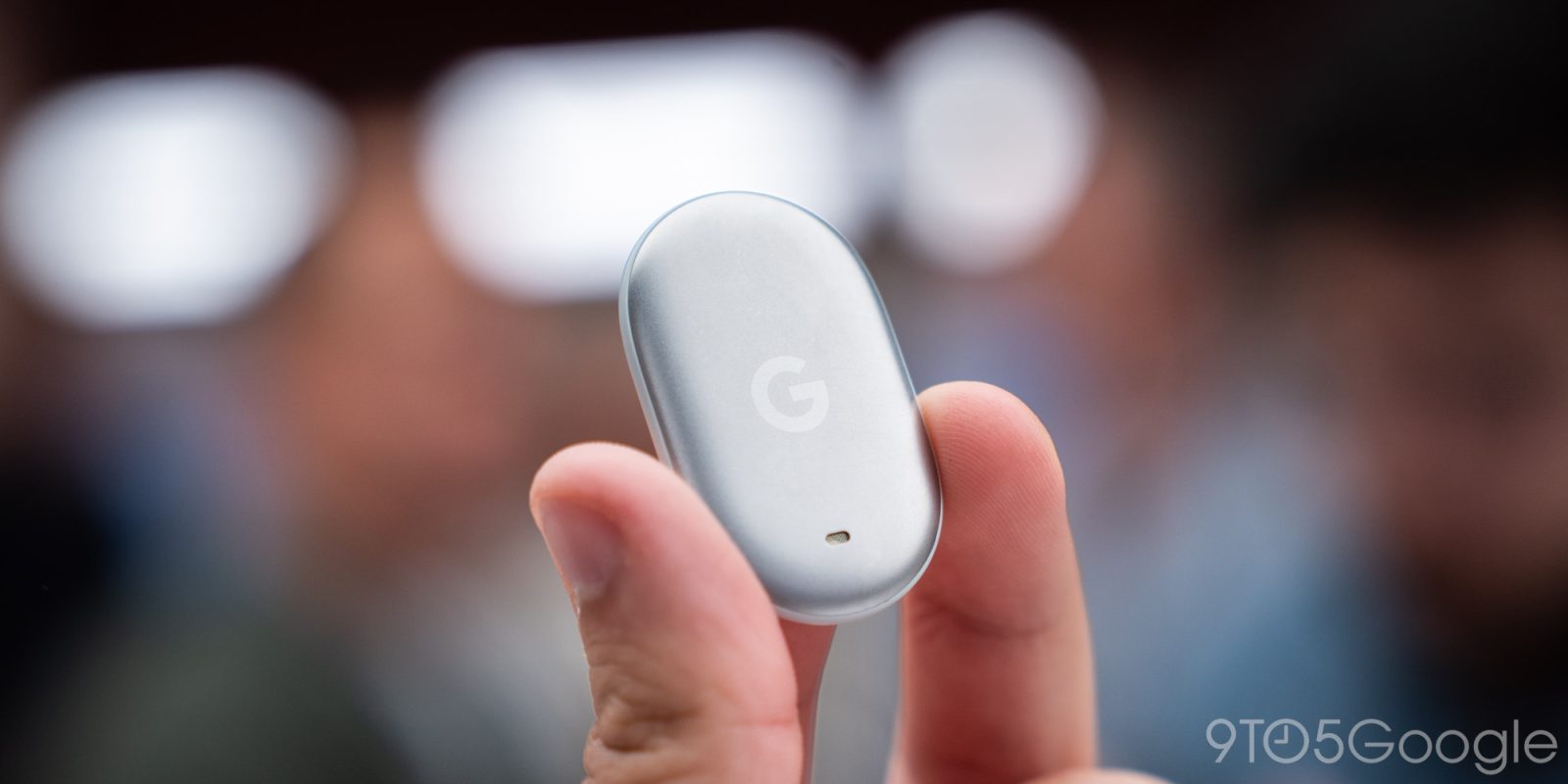
The Pixel Tag is wildly unique, and perhaps not in a way that sets it up for success.
Google’s tracker has this thin and oblong shape that, in person, is almost jarringly tiny. Compared to likes of Moto Tag, a Pebblebee Clip, and even Apple’s own AirTag, this thing is downright minuscule in terms of its profile. It’s almost hard to believe there’s a battery in there. I can immediately see some advantages here, like being small enough to slip into tiny bag compartments or places no one would ever suspect a tracker is stowed away, but also some significant disadvantages.
Pixel Tag is going to require accessories to mount it anywhere, just like Apple’s AirTag. That’s already a little frustrating, but what’s a bigger headache is that Google is going to have to work with partners to build out an entire ecosystem of accessories for this product. That’s somewhere the Moto Tag shines, as its dimensions are close enough to the AirTag to allow Motorola’s tracker to fit in accessories meant for Apple’s. The same won’t be at all true for Google’s tracker.
On the one hand, the Google Pixel Tag stands out, and that’s a good thing. On the other, it might stand out so much that it sits alone off to the side.
As mentioned, it’s a bold strategy on Google’s part. I’m just a little worried to see how it plays out in the long run.
Google Pixel Tag will be available in November at $29 for a single tracker and $99 for a 4-pack.
Follow Ben: Twitter/X, Threads, Bluesky, and Instagram
FTC: We use income earning auto affiliate links. More.
Check out 9to5Google on YouTube for more news:
Find him on Twitter @NexusBen. Send tips to schoon@9to5g.com or encrypted to benschoon@protonmail.com.