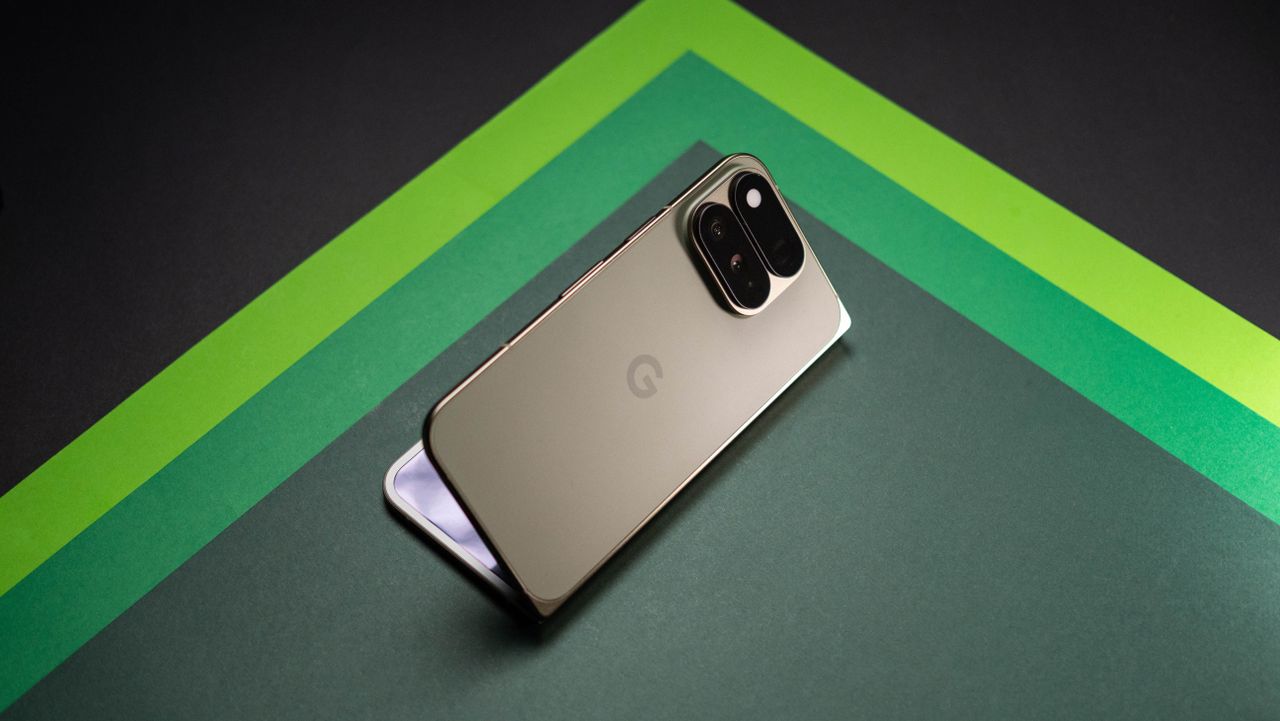
It has been a year of iterative updates for book-style foldables (as my Galaxy Z Fold 8 Ultra review points out), and the Pixel 11 Pro Fold is no different. Google went with a slightly thinner design and shaved 19g from the weight, but it did so by decreasing the battery size. Then there’s the price: the Pixel 11 Pro Fold starts at $1,899, a $100 increase over its predecessor.
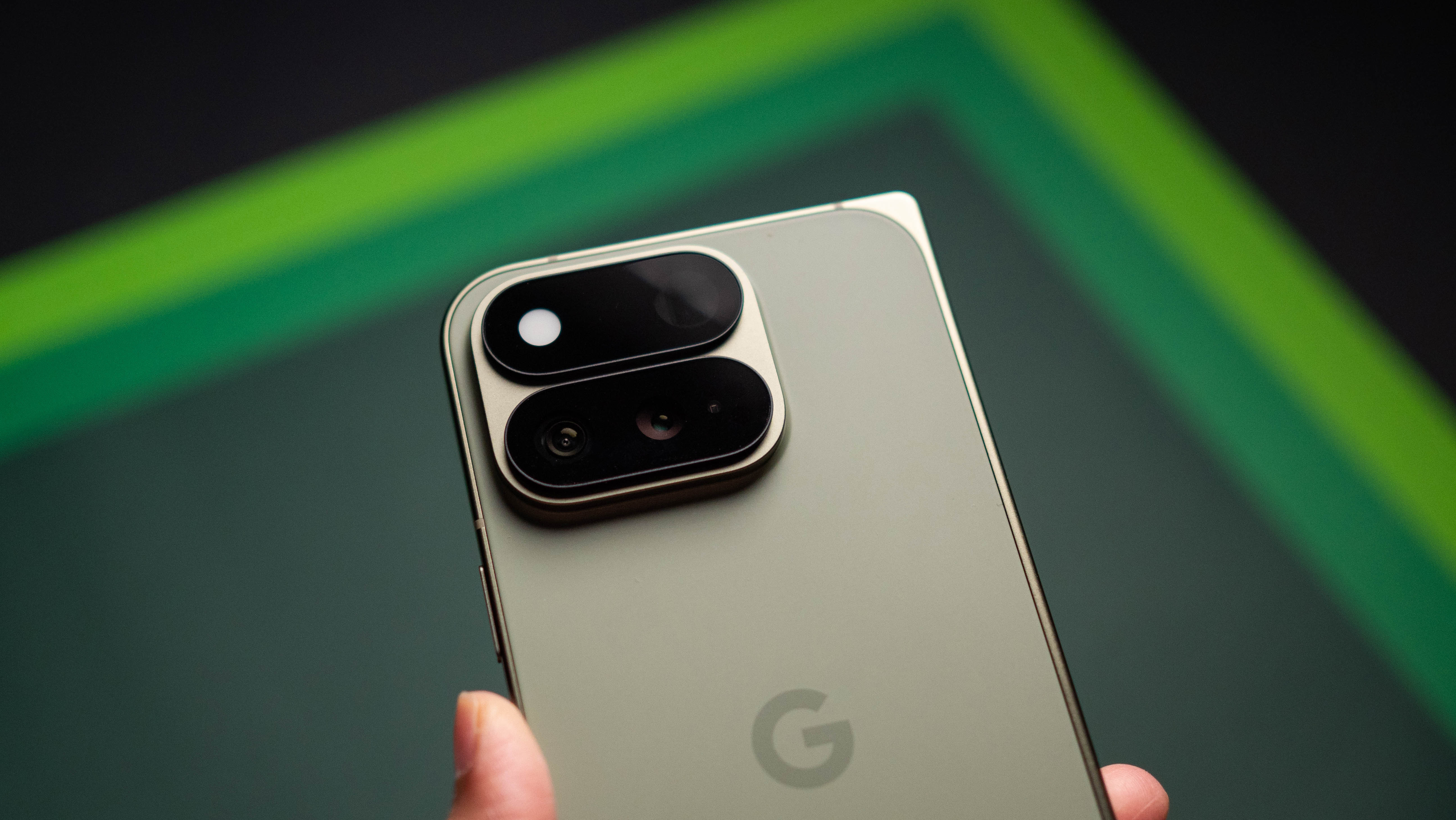
There are some upgrades though. The Pixel 11 Pro Fold is powered by the new Tensor G6, it is faster in daily use, and the foldable finally has a new main camera; in my limited testing, it took better photos in just about every scenario.
Ultimately, does the Pixel 11 Pro Fold do enough to justify an upgrade? I think so. I used the Pixel 10 Pro Fold extensively over the course of the last year, and the 11 Pro Fold addresses several pain points. It’s easier to hold and use, takes better photos, has better durability, and while I was initially worried about the smaller battery, the phone managed to last just as long as the 10 Pro Fold, so this hasn’t proven to be a problem.
I’m highlighting the things that stood out in my week-long usage of the Pixel 11 Pro Fold. This should give you a better indication as to what you’re getting with Google’s latest foldable, and whether it’s worthy of an upgrade.
Intelligent software
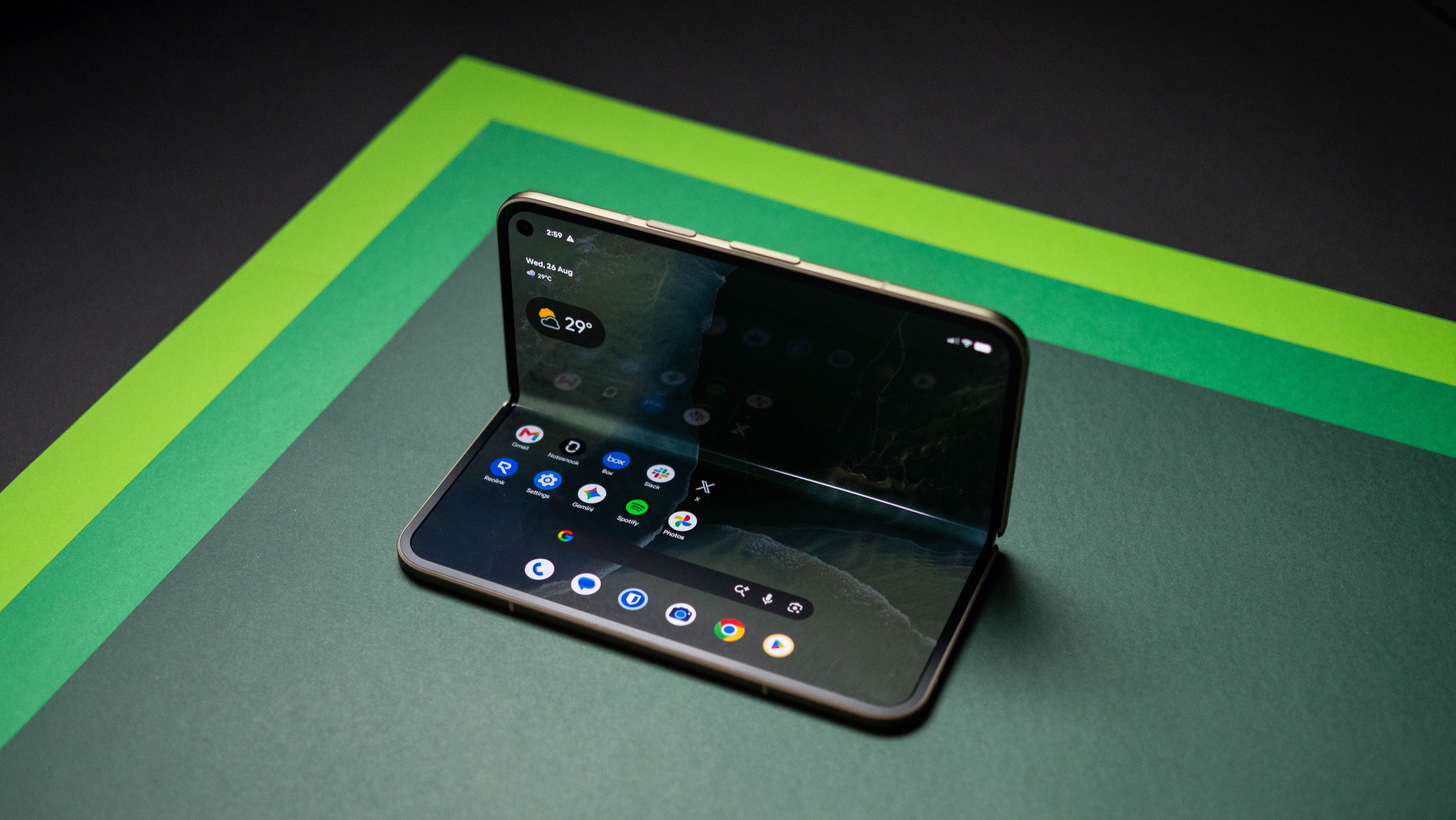
While Google’s claims of delivering an Intelligent OS are nebulous at best, the Pixel 11 Pro Fold comes with plenty of new software tricks that make a difference. Gemini Intelligence has a suite of decent features, and Rambler is my favorite — it takes your dictation and polishes it into structured text, and it made me want to actually use voice dictation.
Bubbles multitasking is great, and the floating windows mode provides greater flexibility when using the inner panel. The UI in general is clean and uncluttered, and I like the customizability of the quick tiles, ability to tweak colors throughout the interface, and all the unique software extras that come as standard on Pixels, like Now Playing. Another thing Google got right is the fluidity; the 11 Pro Fold feels better than its predecessor when using both next to one another.
Better durability
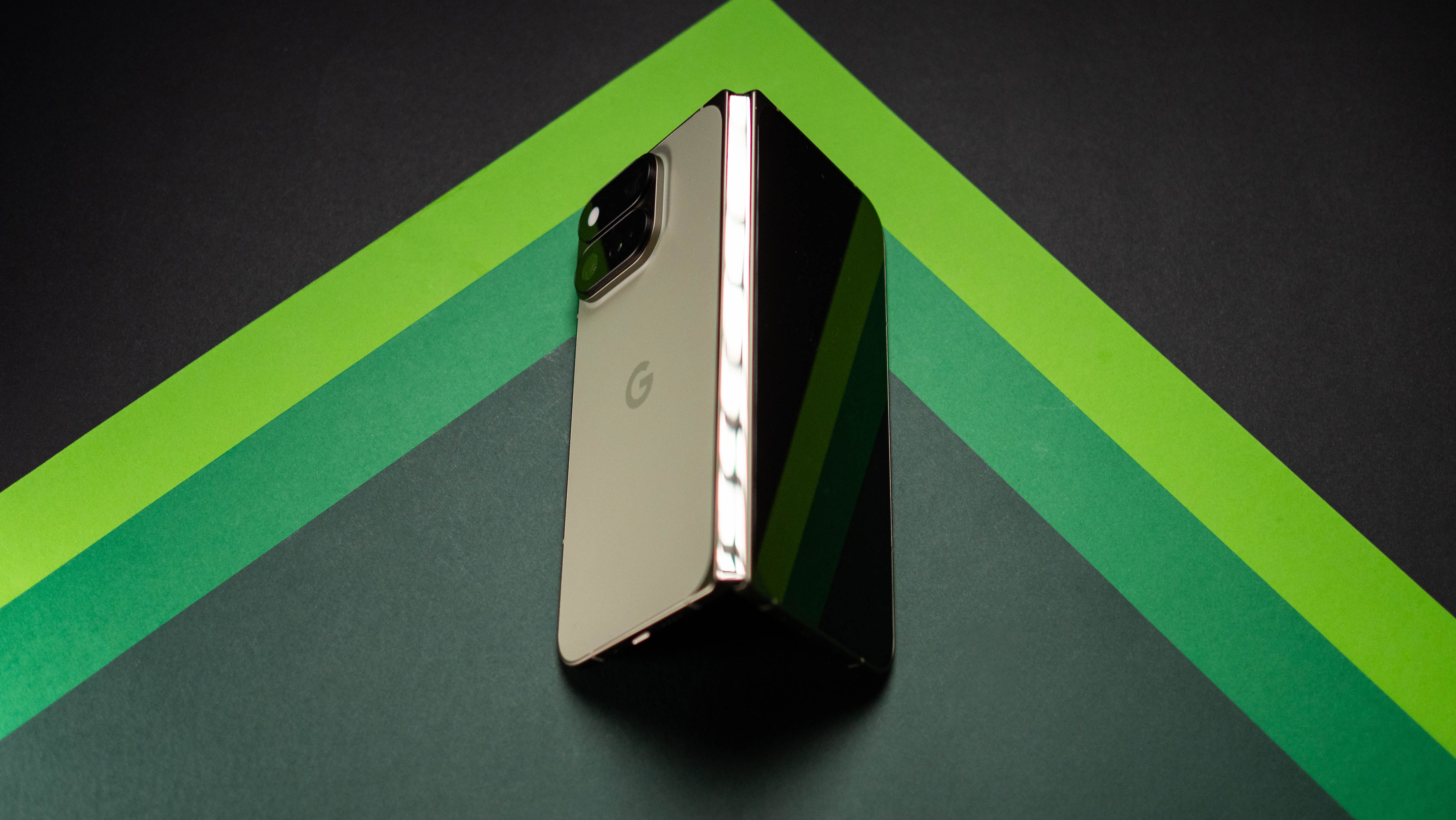
The Pixel 11 Pro Fold is heavier than other foldables, but the upside is that it is built to last. With an IP68 rating, you’re getting a device that’s guaranteed to withstand dust and water ingress, and that is a big deal.
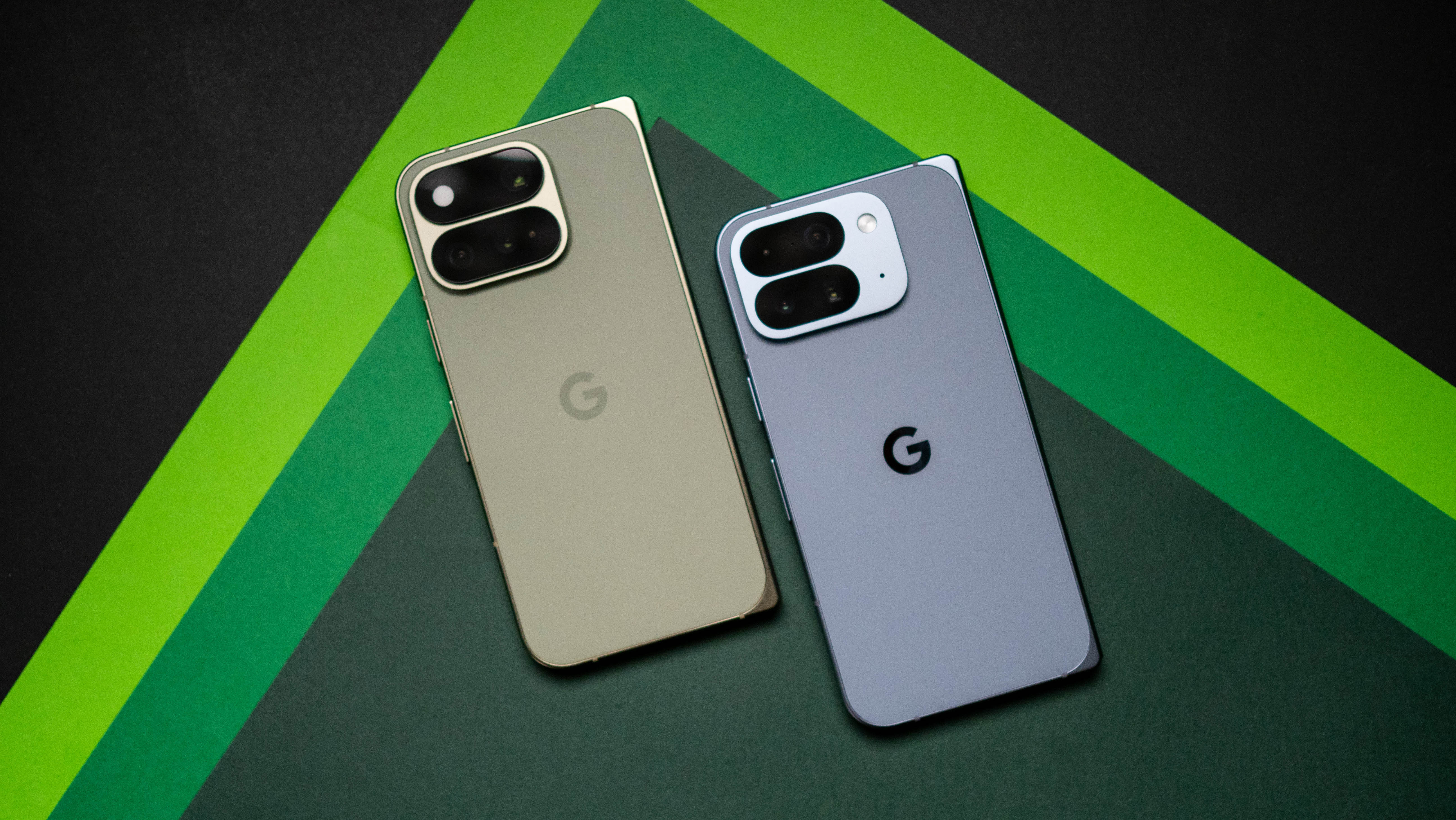
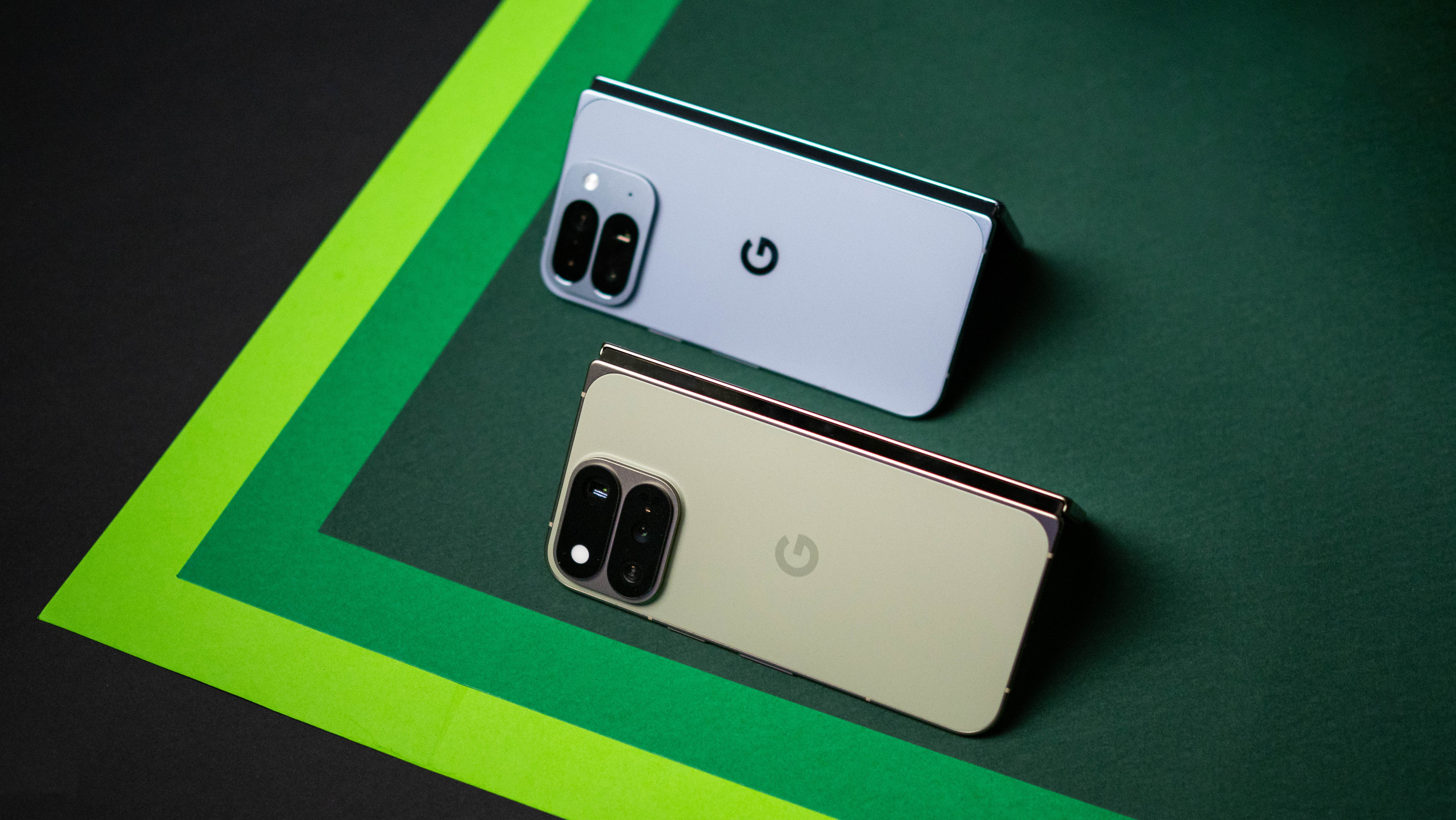
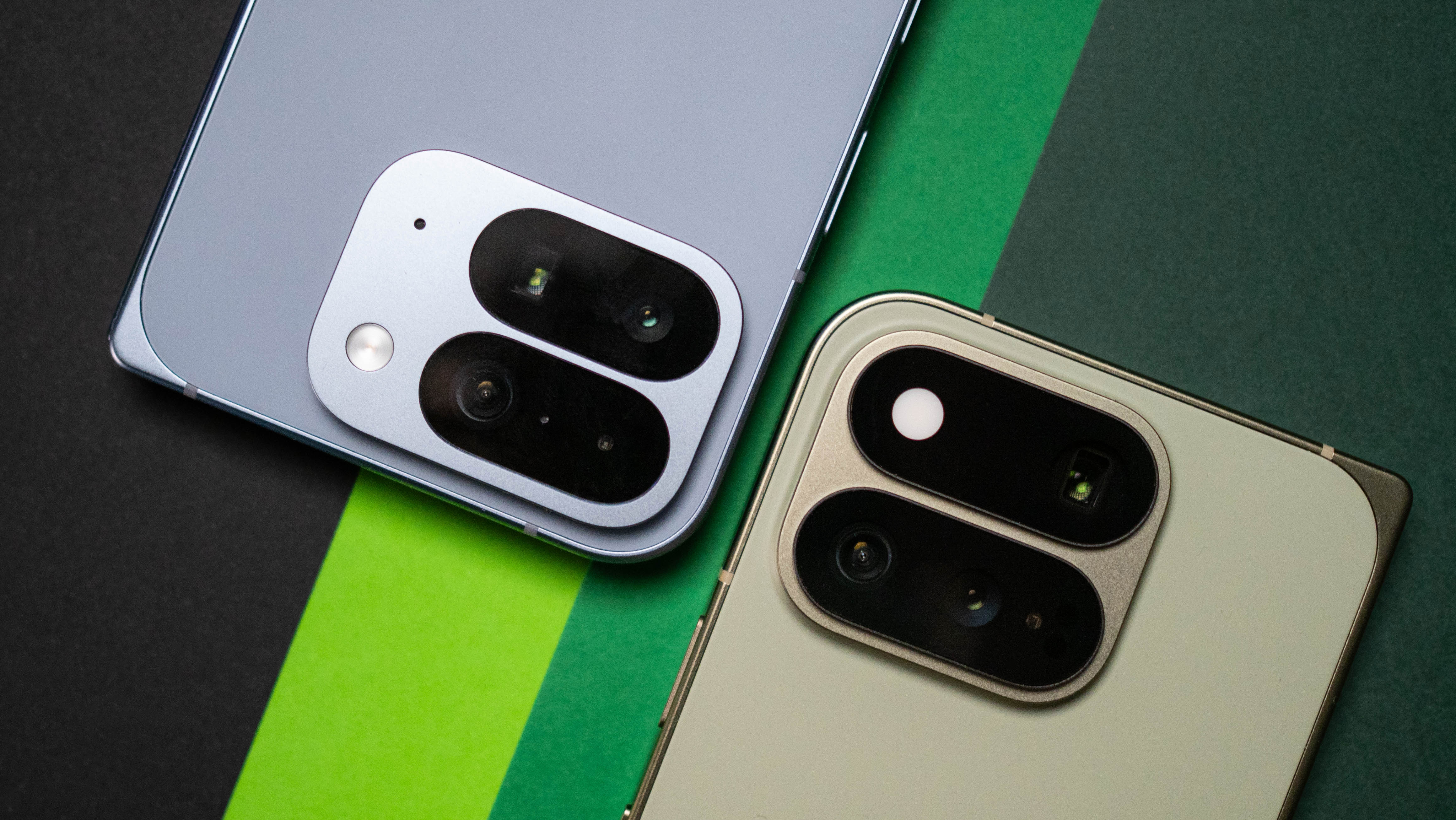
Notably, the 11 Pro Fold is the only foldable in the U.S. that delivers this guarantee — the Galaxy Z Fold 8 Ultra and Moto Razr Fold get IP48, and while they do a good job against water, they don’t prevent dust from getting into the hinge.
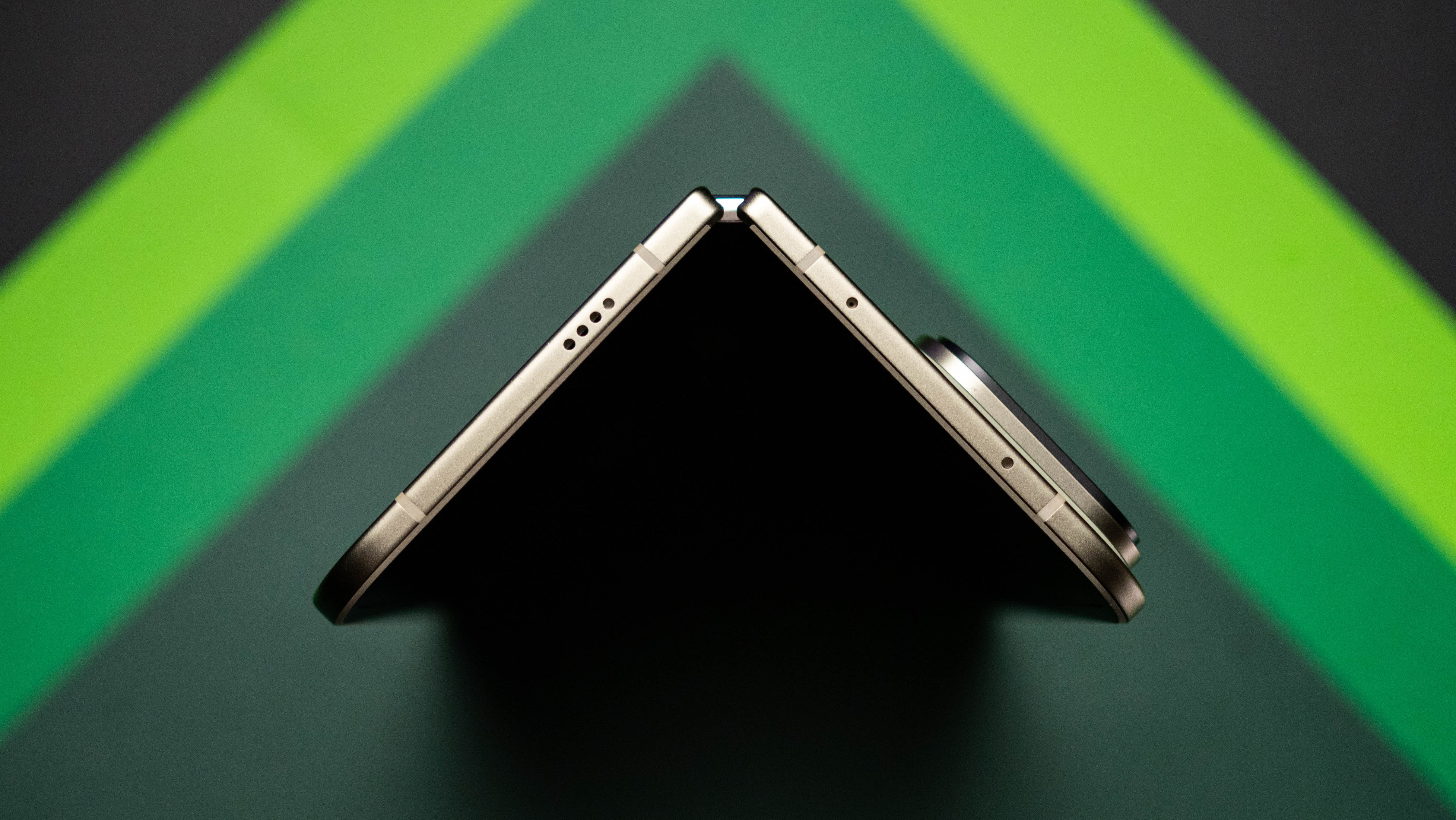
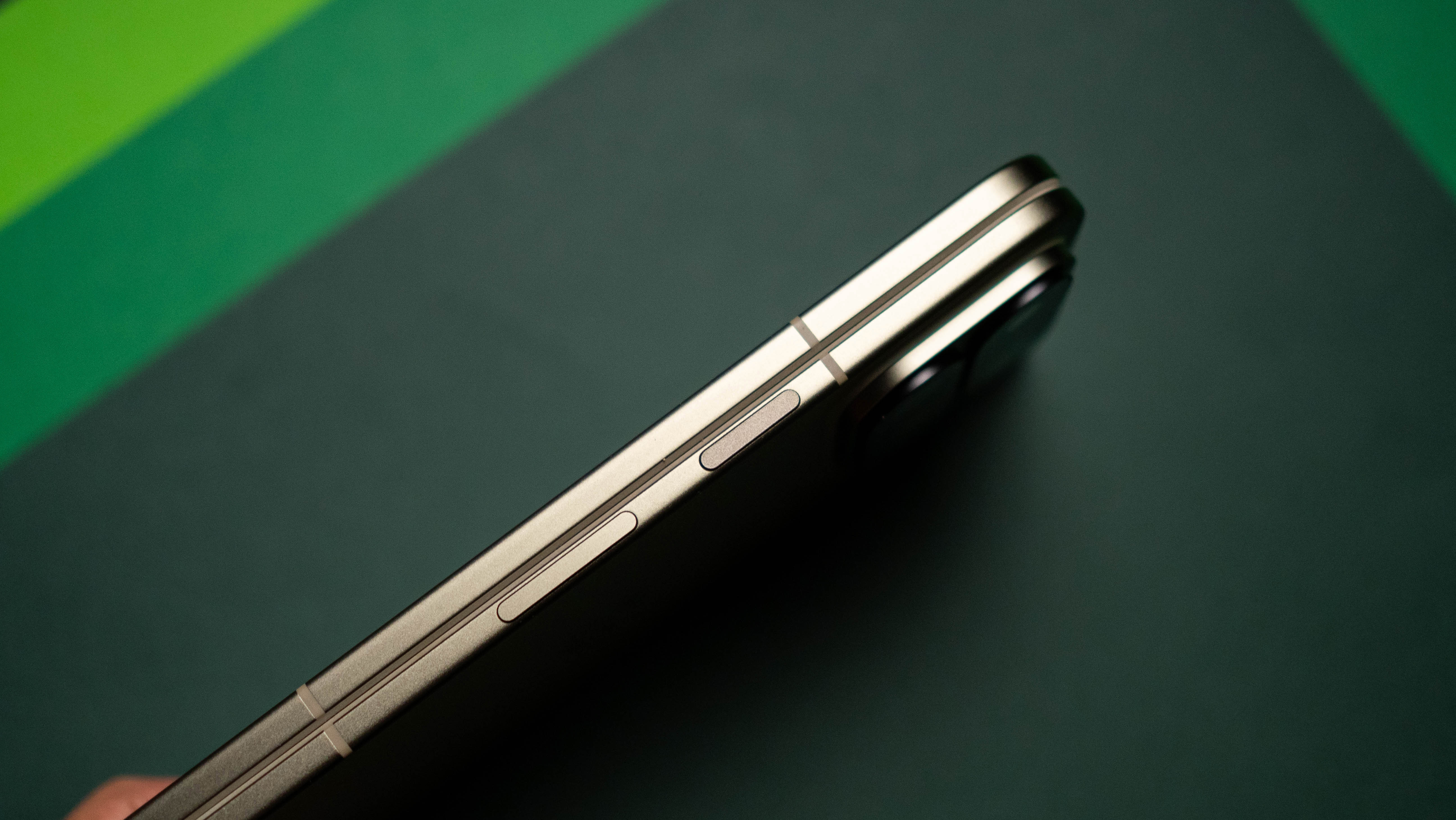
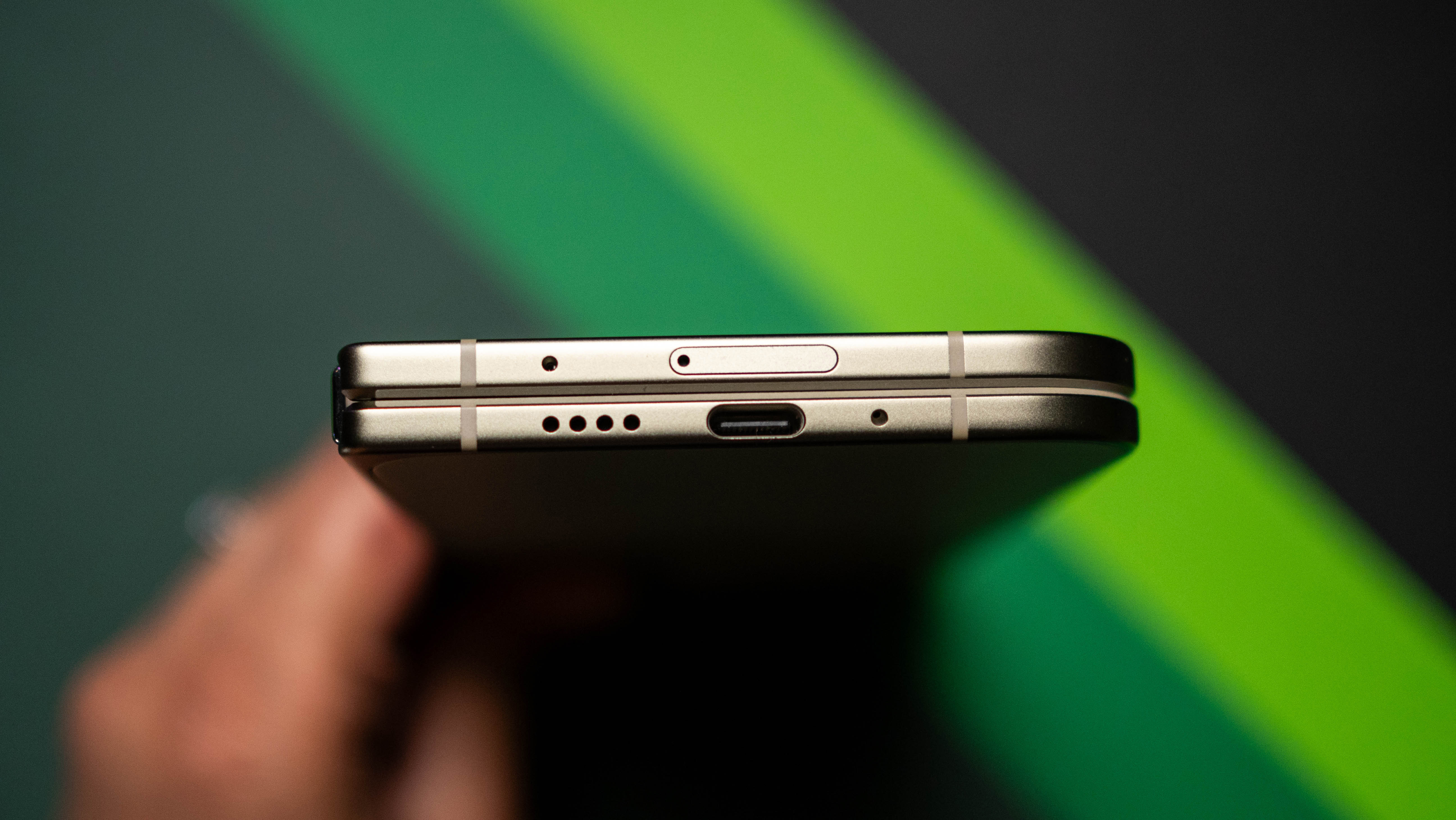
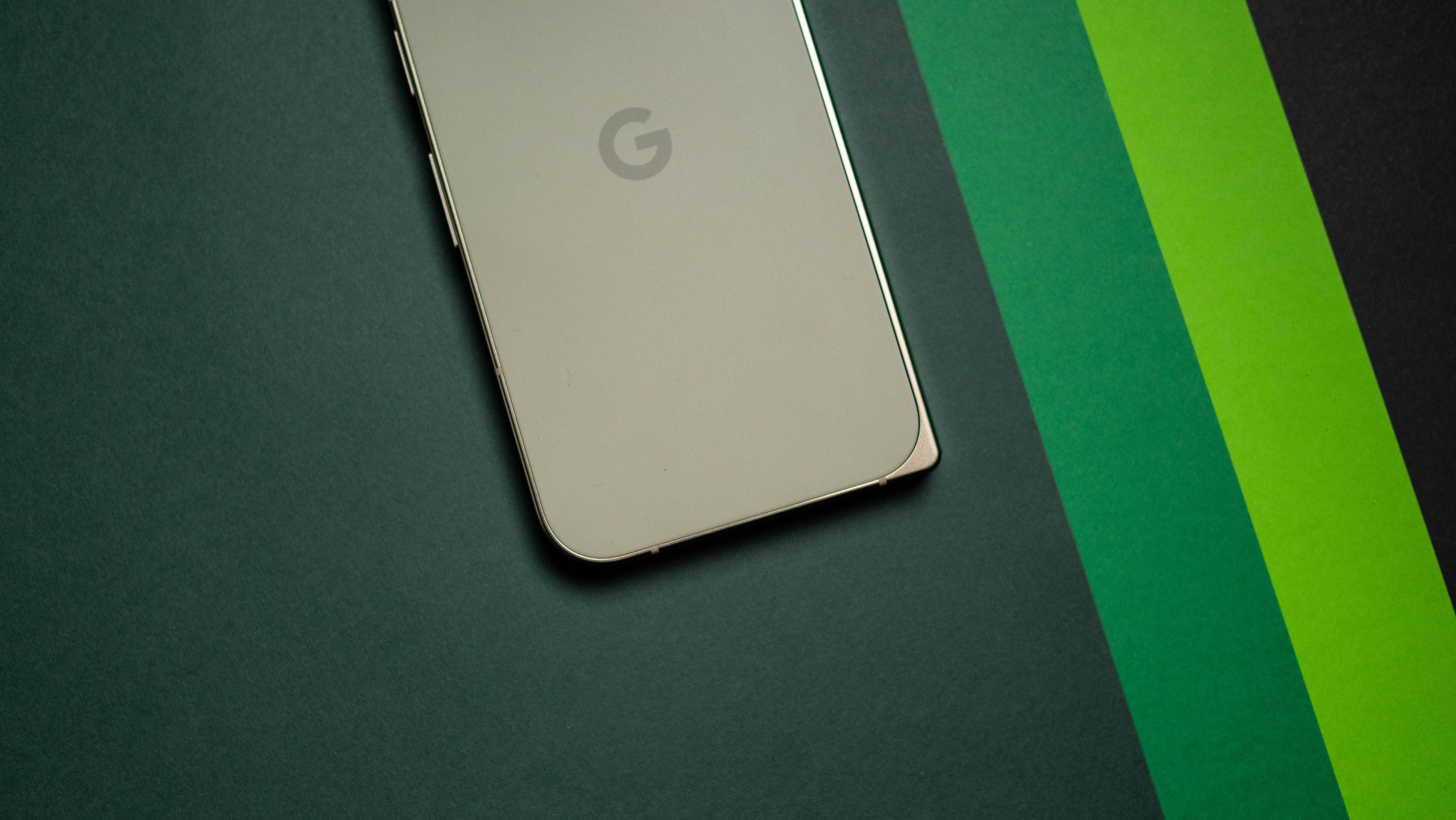
I know just how well IP68 resistance holds up in real-world use, and there’s no doubt that the added durability absolutely makes a difference when using it at the beach or near the pool.
It’s magnetic
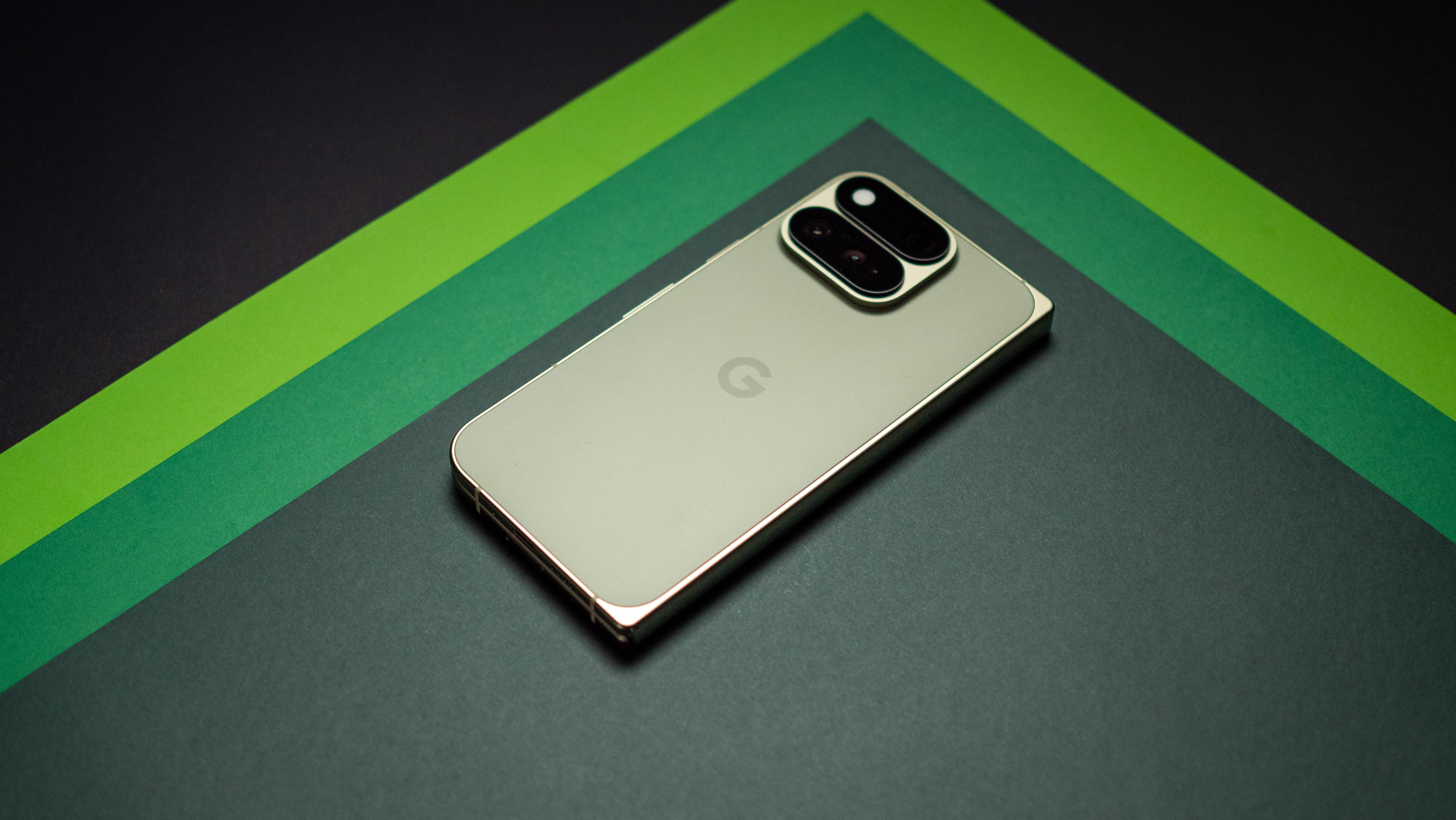
Battery life is in line with the Pixel 10 Pro Fold, even though the 11 Pro Fold has a smaller 4,800mAh battery. Annoyingly, you get the smallest battery of any book-style foldable, and I really want Google to do better in this area.
The 11 Pro Fold lasts an entire day with medium use, but I had to plug in the foldable by the evening on most days. Thankfully, this is where the built-in Qi 2.2 tech makes a big difference. The 11 Pro Fold has 25W Qi 2.2 charging, and as the magnets are integrated into the chassis, you don’t need any accessories to use a Qi 2.2 charger or power bank — unlike the Galaxy Z Fold 8.
Bright spots
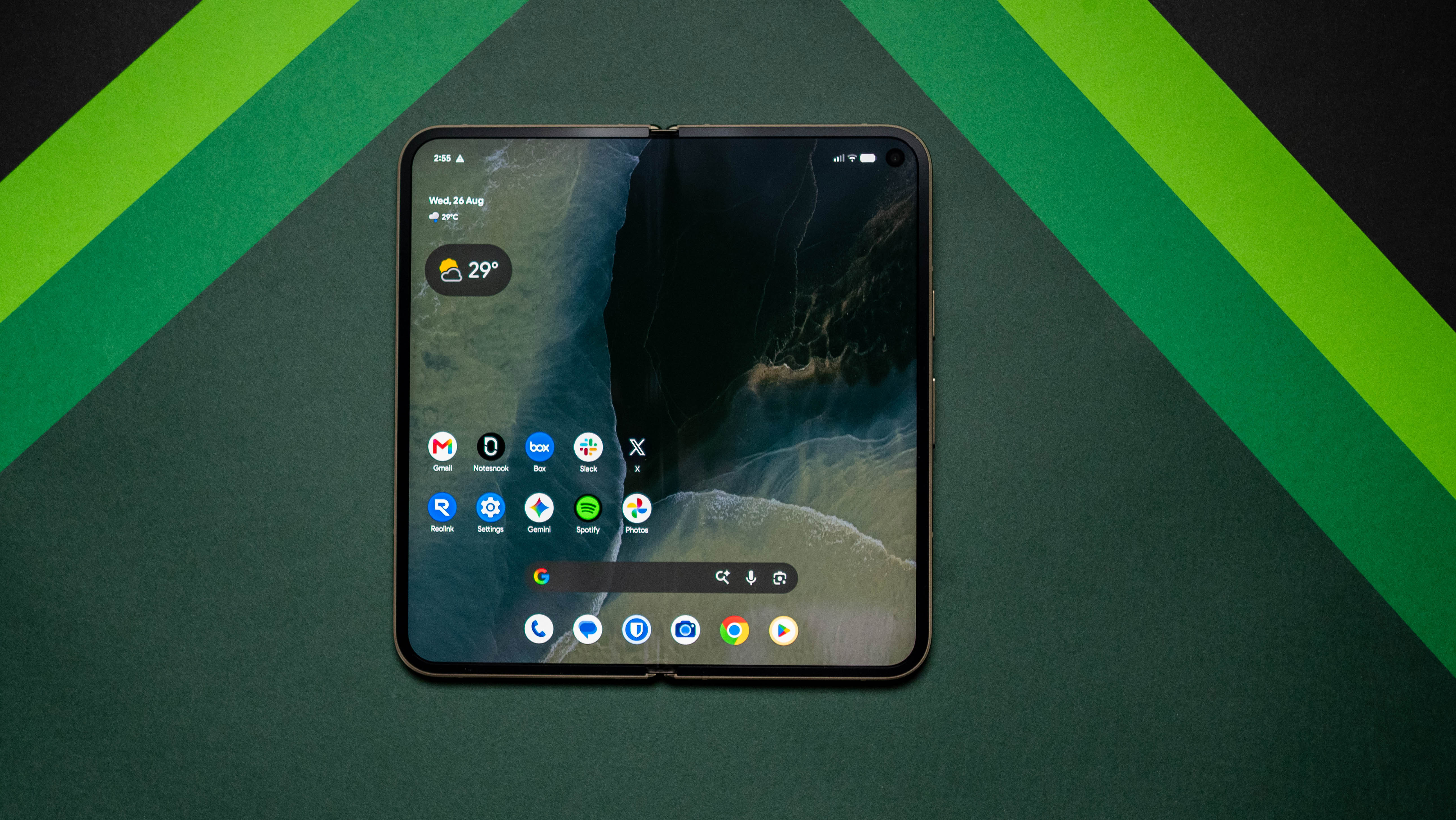
The Pixel 11 Pro Fold gets brighter than previous generations, and the inner and outer OLED panels are among the best you’ll find in this category. There are no issues with either screen when it comes to brightness or color vibrancy, and the slightly wider 6.5-inch cover panel is a delight.
The only problem with the inner screen is that there’s no anti-reflective coating, so you will notice glare while using it outdoors. This is something the Galaxy Z Fold 8 Ultra does a lot better, and Google needs to go the same route next year.
Usable cameras
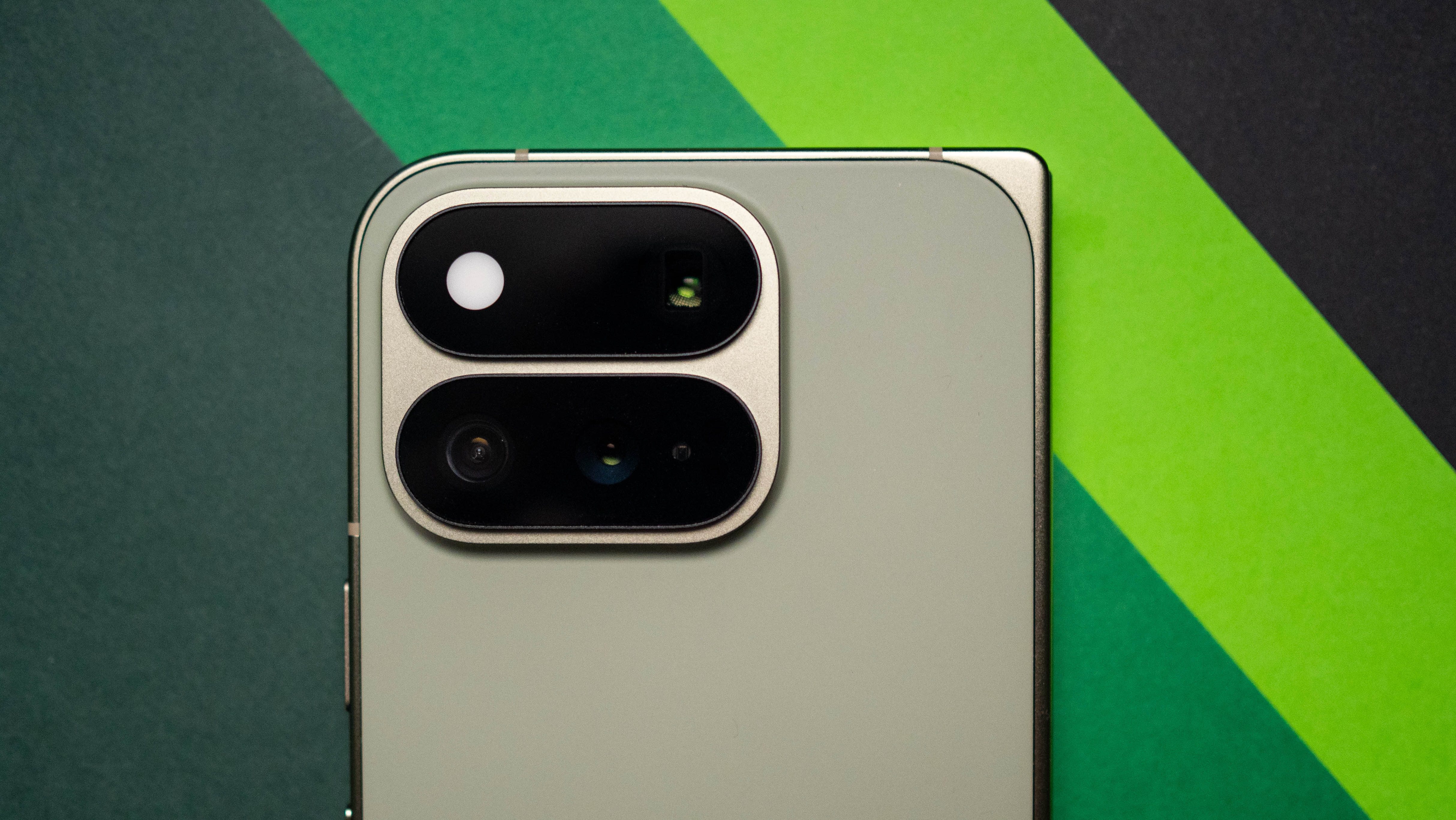
In my opinion, the Pixel 11 Pro Fold doesn’t do much to justify the Pro moniker when it comes to the cameras. Vivo’s X Fold 5 and the OPPO Find N6 are still my go-to choices if you need a foldable with great cameras, but these aren’t available in the U.S.
The 10 Pro Fold measures favorably against the Galaxy Z Fold 8 Ultra and Moto Razr Fold, but it’s annoying that Google chose to limit its latest camera tech — like Instant Night Sight and 120x zoom — to the Pixel 11 Pro and 11 Pro XL. The way I see it, the 11 Pro Fold is the costliest device in Google’s portfolio, so it should get the best cameras, but that’s clearly not the case.
Ultimately, deciding to get the Pixel 11 Pro Fold comes down to preference. I like it better than the Z Fold 8 Ultra and Razr Fold because of the software and durability, but there’s no doubting that they are faster, last longer, and lighter. The 11 Pro Fold may not be the best foldable if you go by the numbers, but it is the one that I enjoy using the most.
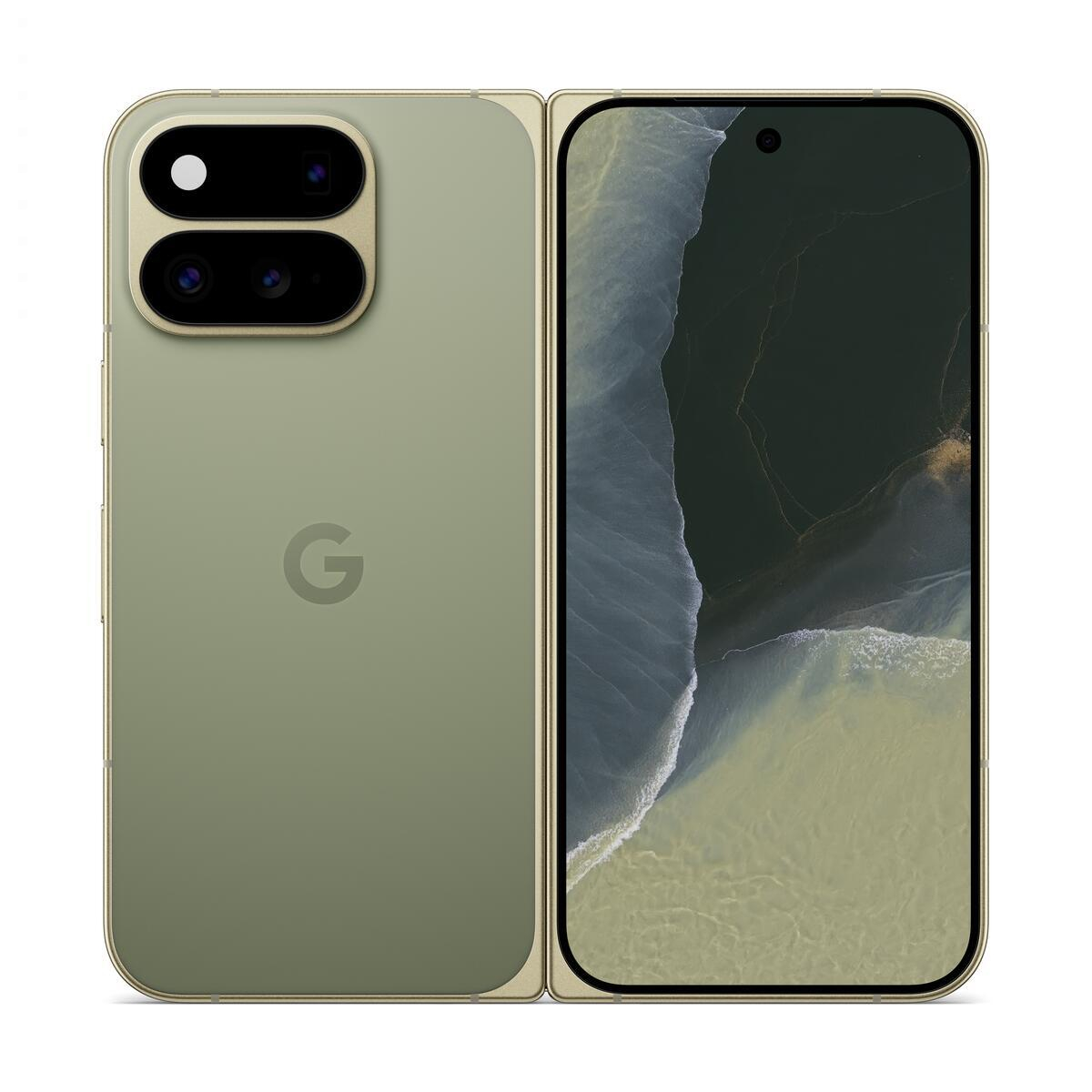
There are a lot of reasons to not buy the Pixel 11 Pro Fold. But if you’re a Pixel fan and are ready to switch to a foldable, it is the obvious choice.