Don't upgrade your Google plan yet! You may be using up way more storage than necessary.
With the cost of SSDs and hard drives through the roof, more of us are relying on cloud storage to warehouse the detritus of our digital lives. But even that doesn't come cheap, and chewing through it with careless abandon is far easier than you might realize. Even if you're the kind of person who keeps tight tabs on your file system, things can slip through the cracks in ways that are difficult to detect.
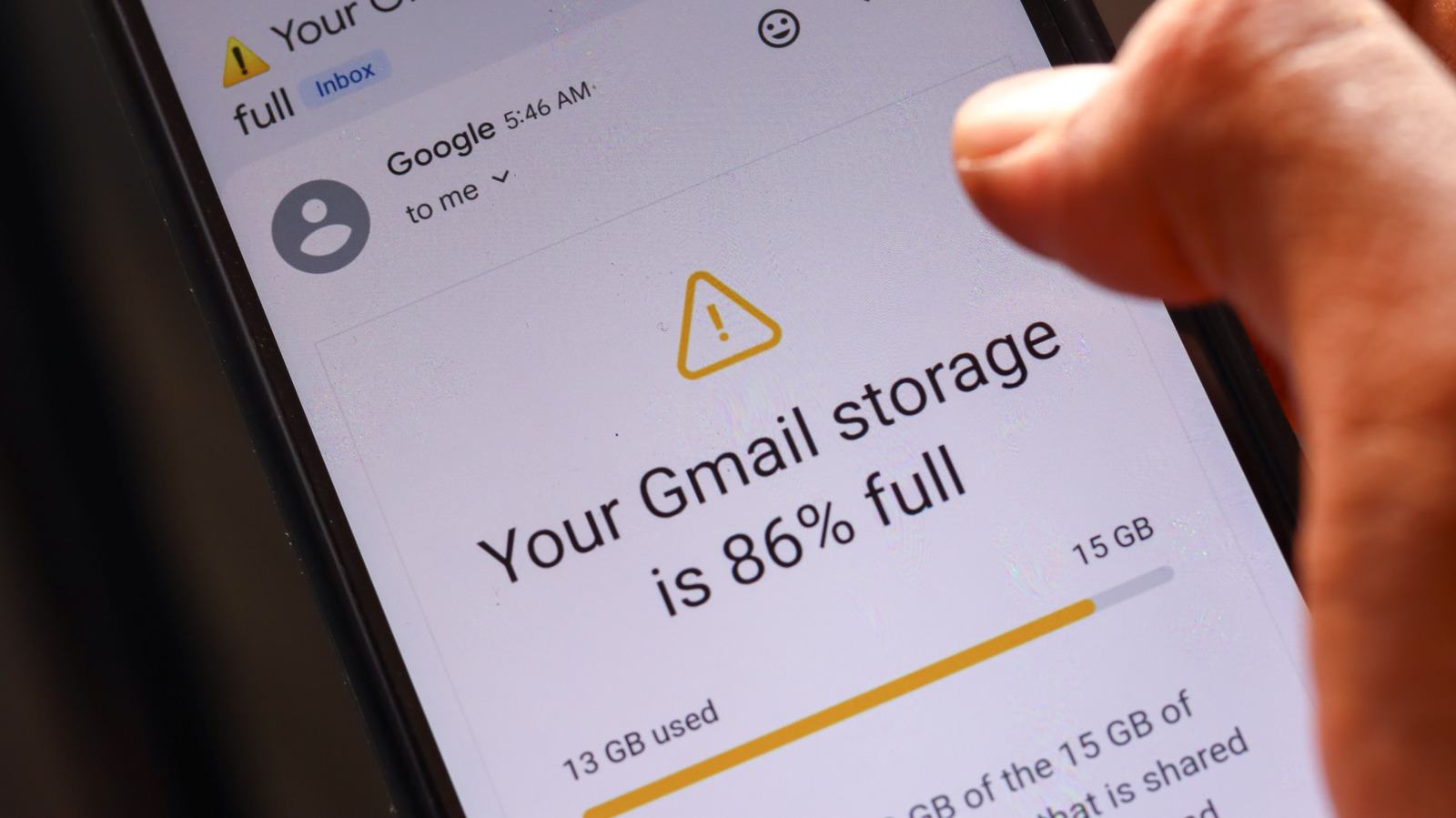
On Android, the default cloud backup option is the obvious one. Google, which owns the operating system, integrates device backups with your Google account storage. The amount of storage you have access to is small by default — just 15GB for free users — and is metered across all Google products, from Gmail to Drive, and yes, your phone's backup now counts against your account-wide storage. You can shell out for ludicrously capacious storage caps, of course, but by that same token, you push yourself toward the next tier up with every wasted byte. And you're probably wasting more of them than you think.
The key here is that Google Photos, the media backup solution of least resistance on Android, also counts toward your Google storage cap. Thanks to the way other apps handle their backups, you could be filling your storage with duplicate files in a way that isn't immediately noticeable. And you can save even more space by getting rid of the often unnecessary backups Google makes of completely useless app data. Here's how to claw back those precious gigabytes.
Like most WhatsApp users, I take advantage of its built-in backup feature to store my data in Google Drive. And, like many Android users, I still use Google Photos to back up my personal photos and videos. Both of those count toward the 5-terabyte cap on my current Google One plan, so imagine my surprise when I realized that backing up all my device folders in Google Photos backed up my WhatsApp folder — you know, the one WhatsApp already backs up for me in Drive. That meant I was letting those photos and videos get backed up in two separate locations, both of which count against my Google storage limits.
This same scenario could play out with any app that stores media on your device and for which you are backing media up someplace other than Google Photos, be it Signal, Telegram or even Discord. But here's another tip: Most of the media your messaging apps keep in your phone's local storage are garbage to begin with. Do you need all those reaction GIFs recycled from 2010s Twitter that your idiot friends used in the group chat? What about the baby photos your sibling sends in the family chat? Face it: Cute though the kid may be, they're not cute enough to justify the space those photos take up, and you can delete all but the few best ones. Delete the excess media before it's even backed up, and you've immediately saved double the space in your cloud storage, and triple when you factor in the space you'll claw back on your phone's local drive.
Don't forget to delete those photos and videos from Google Photos after turning off the folder backup. Google is incentivized to hang onto them, both to ingest into its Gemini AI and to run you out of storage more quickly so you upgrade, and so they need to be deleted separately.
Once you've eliminated the biggest space-wasters in the form of media-rich backups, you can optimize even further by paring back the number of apps backing up from your phone. Backup settings can be accessed from the Google section of Android settings, or through the Google One app, and you can see which apps are backing up data by tapping on Other device data, then scrolling down and tapping Show more under the App data section. You may be shocked to find out how many apps have determined it necessary to chew into your cloud storage.
First, there are the apps, like WhatsApp, that I do not want backups for, but which create backups anyway, via options in the apps themselves. Personally, I've got my Joplin notes backed up to Dropbox using the app's own settings, and settings for my Sony WH-1000XM5 headphones are backed up on Sony's servers. Disabling both was an easy call.
But looking in my backup settings, I found app data backed up for dozens of apps I don't care about. Given that its only function is to give me real-time device performance readouts, what possible data could CPU-Z need to back up with Google? Ditto for my guitar tuner app, VLC media player and a Google TV debugging tool I use for sideloading apps to my set-top box. Then there are the apps for which backup is unnecessary because they're entirely account-based — Bluesky, Reddit and any other app that only needs a login to fully load all of my data. And lastly, there are the apps I don't use, like Android Auto, which is not supported by my 2015 Subaru Crosstrek. There are even icon packs backing up to the cloud in an act of sheer madness!
Even if these apps are just backing up a couple megabytes of configuration data or login tokens (and, to be fair, most of them aren't storing much more than that), I'd rather set them up fresh on a new device. I've found that bringing along baggage from a previous Android device causes unpredictable issues on a new one, anyway.