I LOVE my DJI Pocket 3, and since I bought it over two years ago, it has completely replaced two expensive full-frame cameras. Why? Convenience.
When you’re trying to create content – especially for social media – convenience matters. The DJI Pocket 3 is much, much smaller than a full-frame camera, but it’s still another device that you have to carry. Yet its value and popularity show that the category has the potential to delight customers, whether or not they’ve used a gimbal.
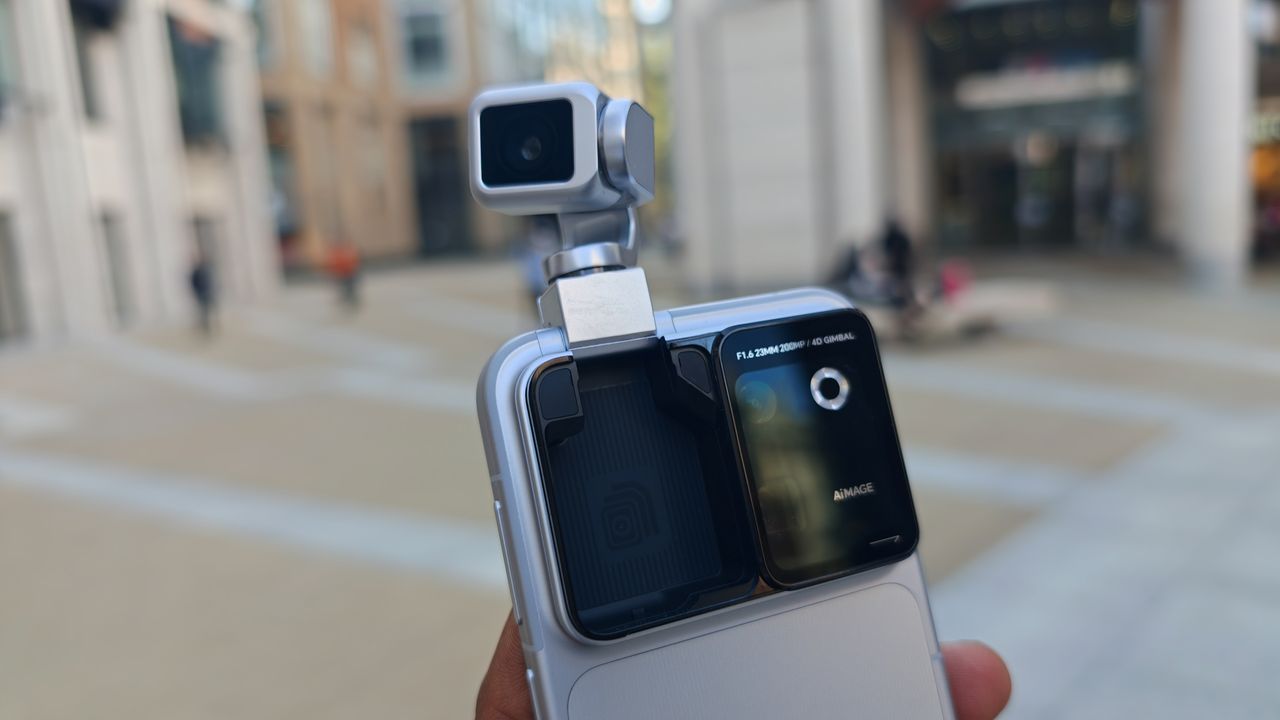
Building on this, the Honor Robot Phone takes smartphone cameras a huge step forward. Imagine the DJI Pocket 3 paired with a great smartphone camera like the Honor Magic 8 Pro, and you have one of the most unique smartphone cameras ever made. I went hands-on, and here’s why it’s so interesting.
The Honor Robot Phone is built for solo creators
Most people who create content do NOT have a large team following and filming them.
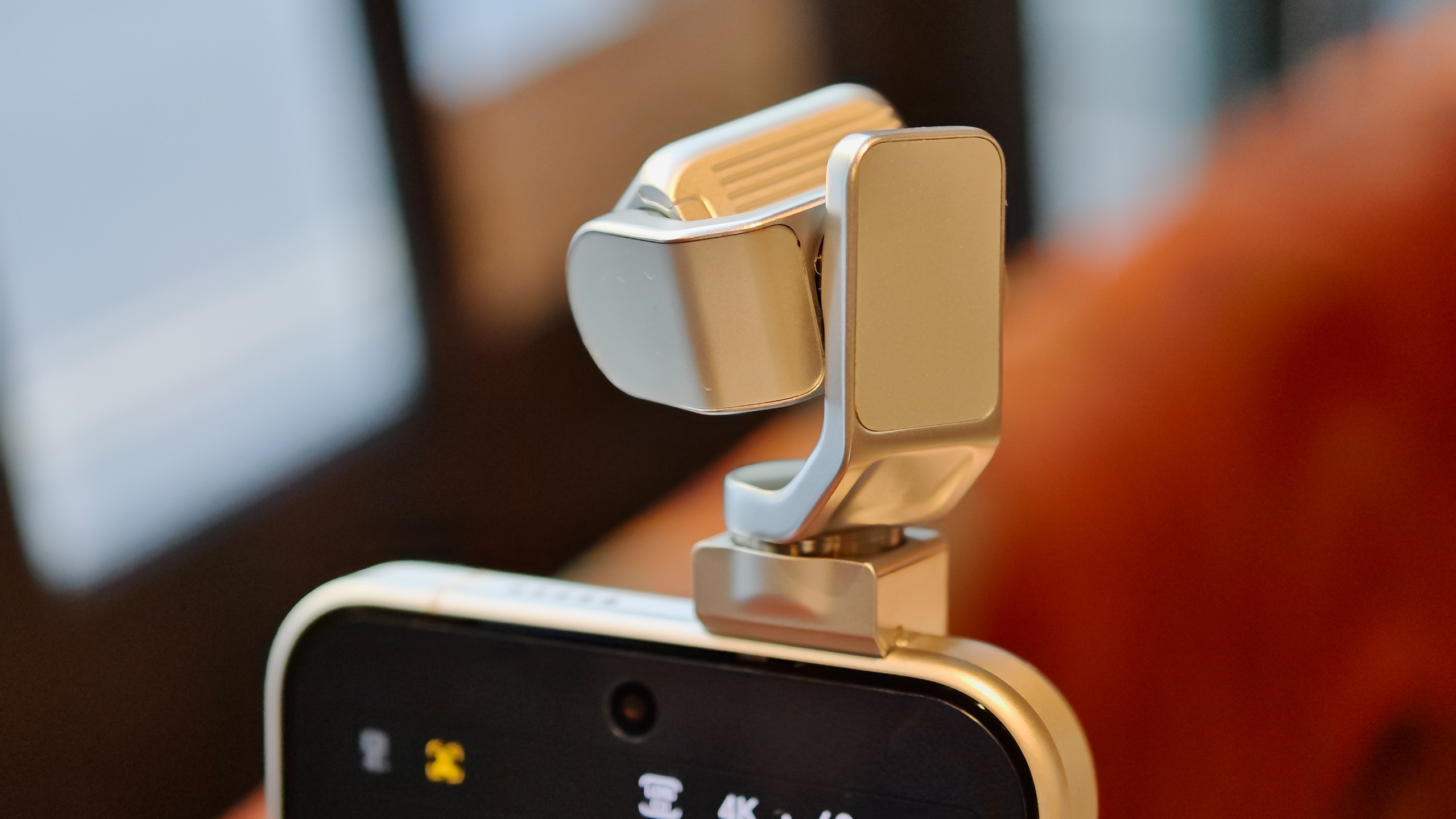
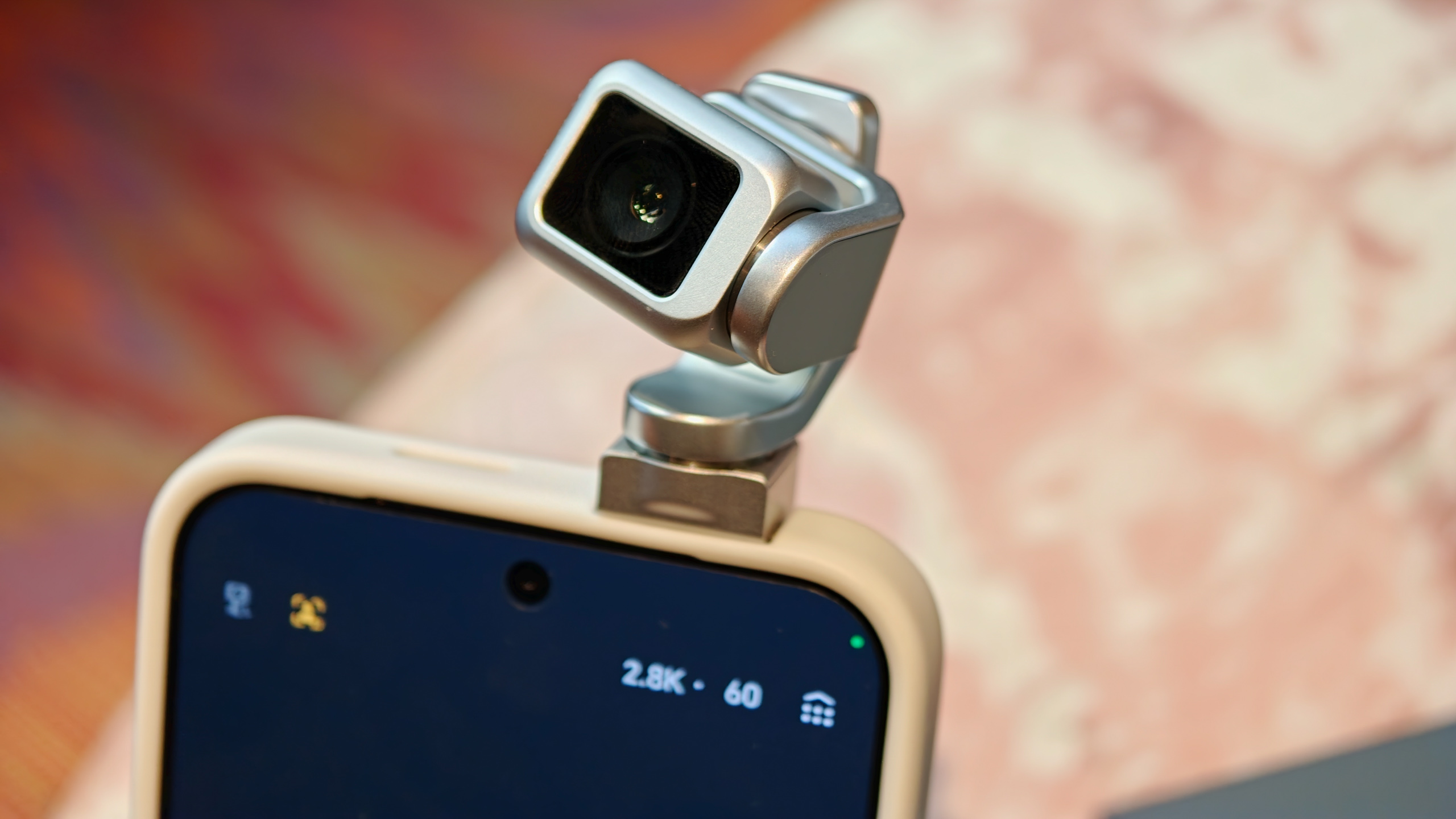
Gimbals like the Pocket 3 have long featured a mode with facial recognition and object tracking, and the Honor Robot Phone is no different. Like my Pocket 3, it can lock itself onto a face – whether near or far – and pan and tilt as needed to ensure the subject remains front and center,
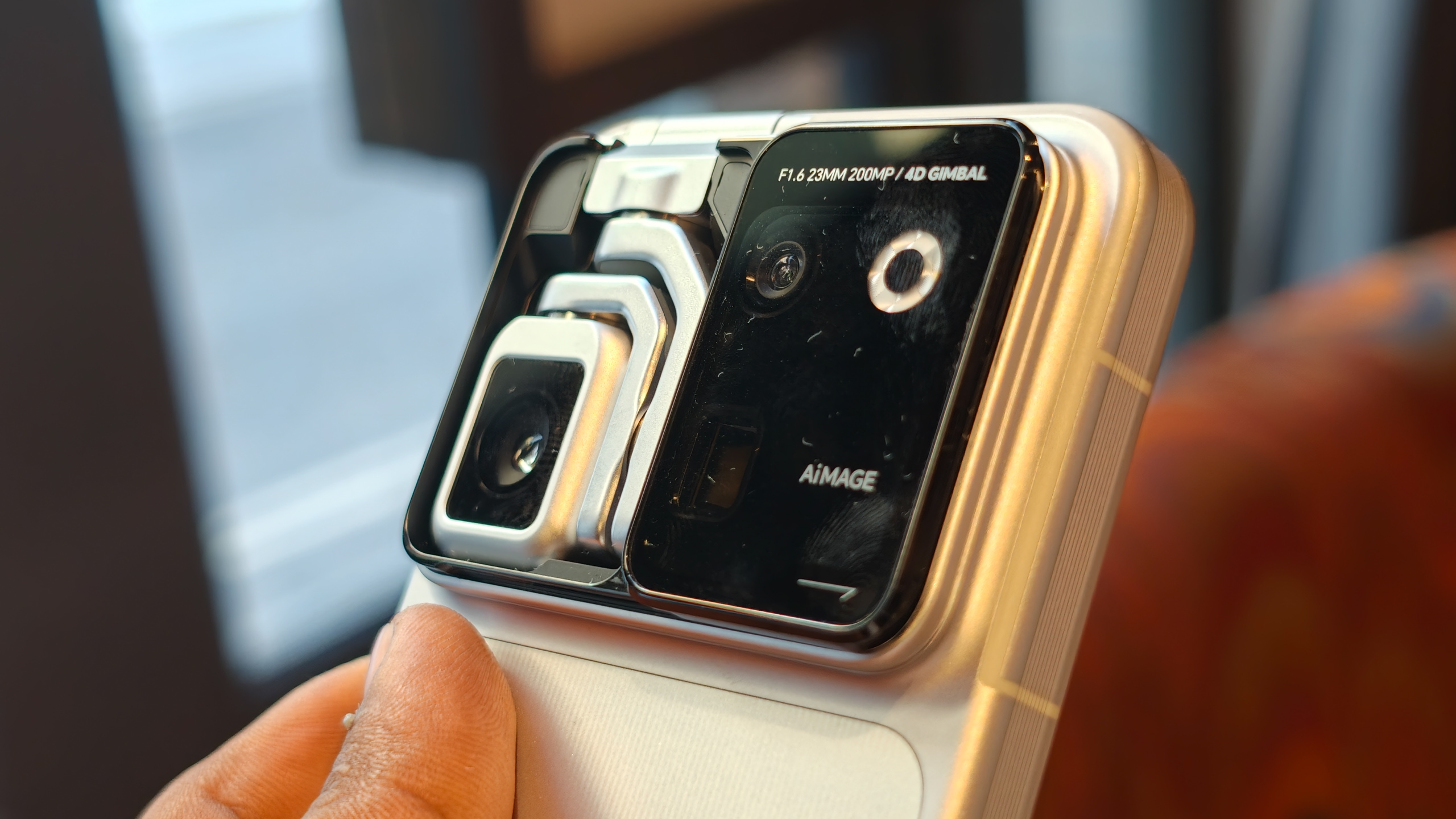
That’s a considerable achievement given that the gimbal component size is around 65% smaller than a regular gimbal, but the Honor Robot Phone also features a much larger viewfinder in the form of the big screen, and everything else that makes it a flagship smartphone.
This is further complemented by the case in the box, which comes with a magnetic kickstand attached that ensures you can stand the phone up and have the camera follow you wherever you are, no additional tripod needed.
ARRI helps your creative juices flow
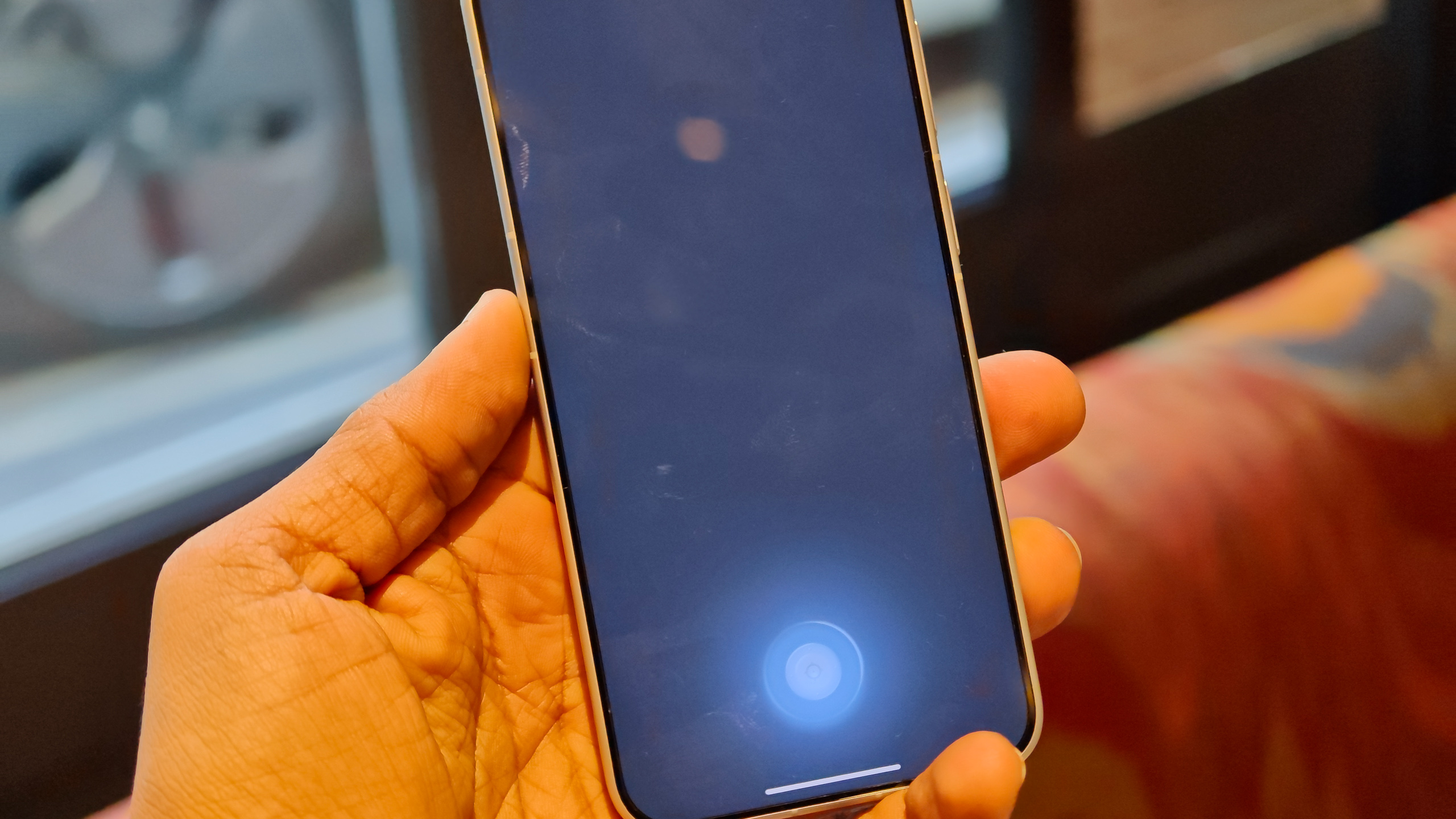
However, the Robot Phone also goes further in a way that surprised me: the partnership with ARRI, a designer of film and broadcast cameras for over 100 years.
The partnership doesn’t just improve the color science of all photos; it goes considerably further with a host of filters and effects designed to help you create the perfect look directly from the camera.
This is my first experience with ARRI, but I was quite impressed by the variety of options and the range of effects you can add while filming. You can also film entirely in LOG, and there’s a range of preview filters in different styles, so you can see how your LOG footage will likely look after editing. The only downside is that you can’t easily edit the filters after capture.
The upside? You get a gimbal built into a smartphone with a huge screen, which acts as a huge viewfinder.
The Robot Phone is also a flagship smartphone
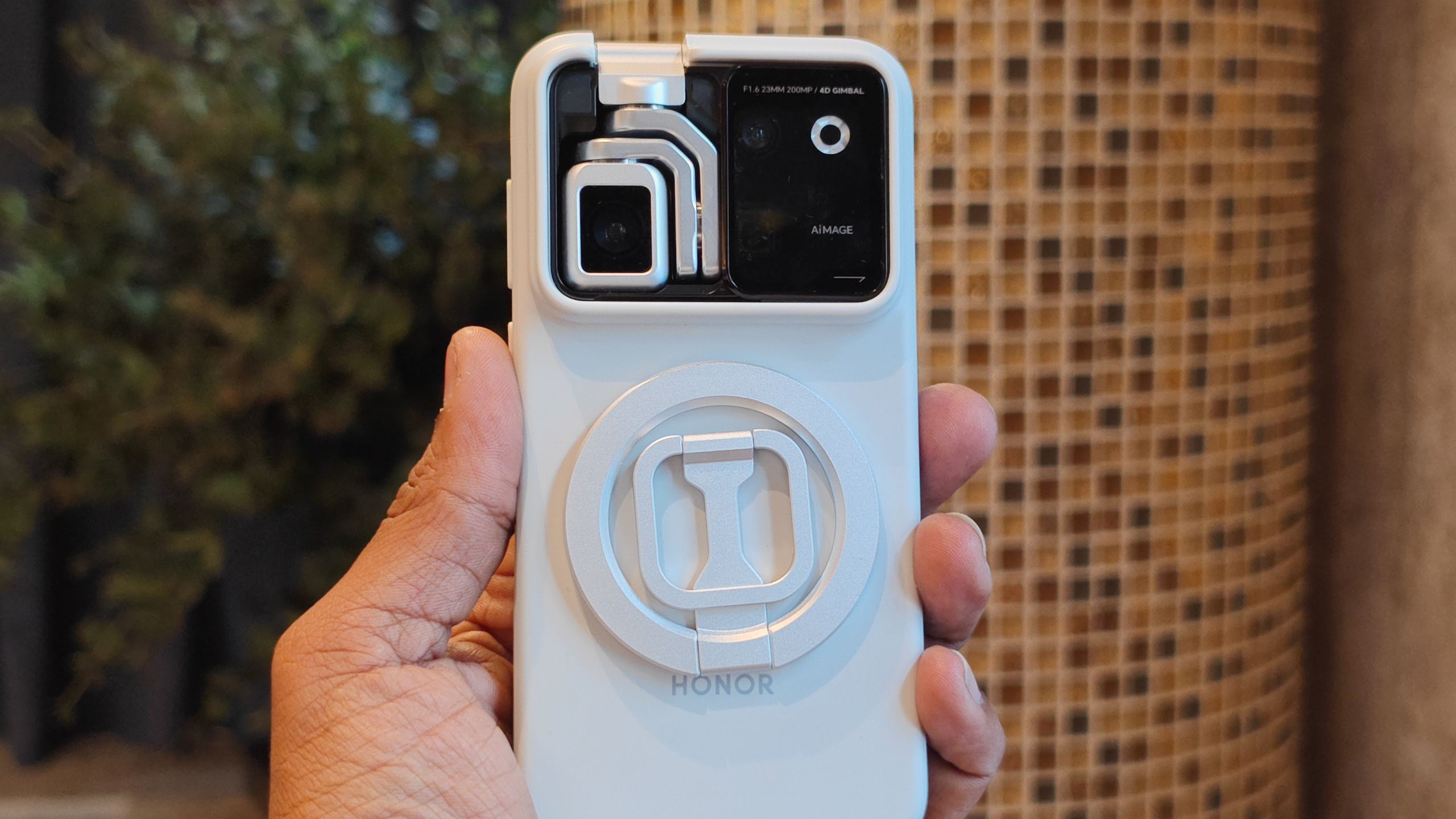
Here’s what’s easy to forget, at least when using the gimbal: the Honor Robot Phone is a flagship smartphone. That means you get everything that makes the best Android phones; Honor is primarily known for making smartphones, and the Robot Phone delivers the same experience as other flagship Honor phones.
The Pocket 3 doesn’t offer the fastest menu navigation or the fastest feature changes, and even newer gimbals like the Pocket 4 and Insta 360 Luna aren’t much faster. The Qualcomm Snapdragon 8 Elite Gen 5 means the Robot Phone is quick to switch features and navigate menus, making it far more enjoyable to use as well.
Then there’s MagicOS, Honor’s software akin to Android 16. The Robot Phone is exclusive to China, so the software includes the Yoyo assistant and lacks Google services, but otherwise it’s quite enjoyable to use.
The two other standout features
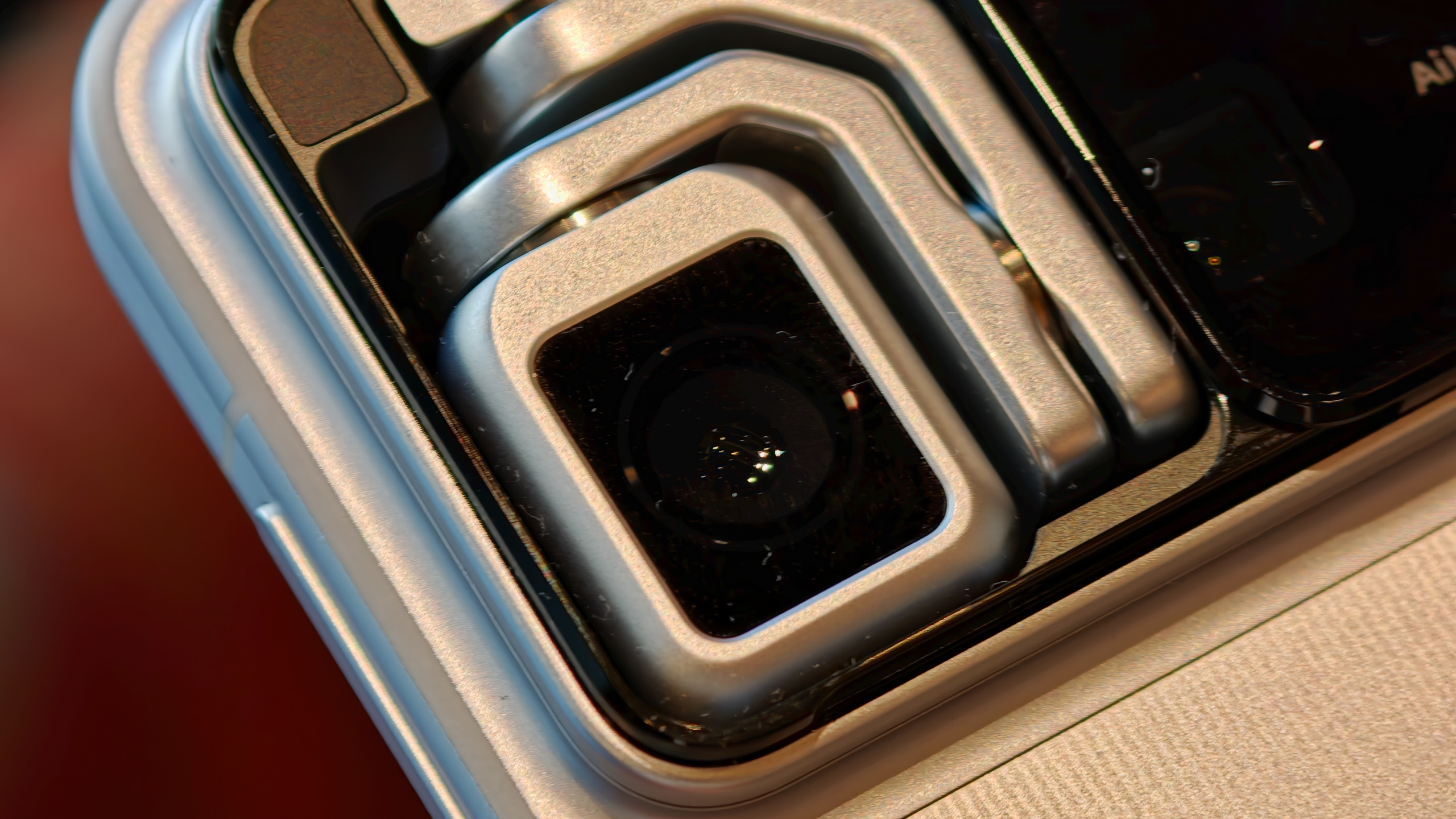
There are two features that make the Robot Phone stand out for me: the screen and the camera system.
First, the 6.31-inch screen. It’s smaller than most flagships, yet larger than every gimbal, but still ergonomically friendly given its size. It also has a 120Hz refresh rate, 4320Hz PWM dimming rate, and 6,800-nit peak brightness; in my brief time with it, the screen remained legible even under the harsh British afternoon sun.
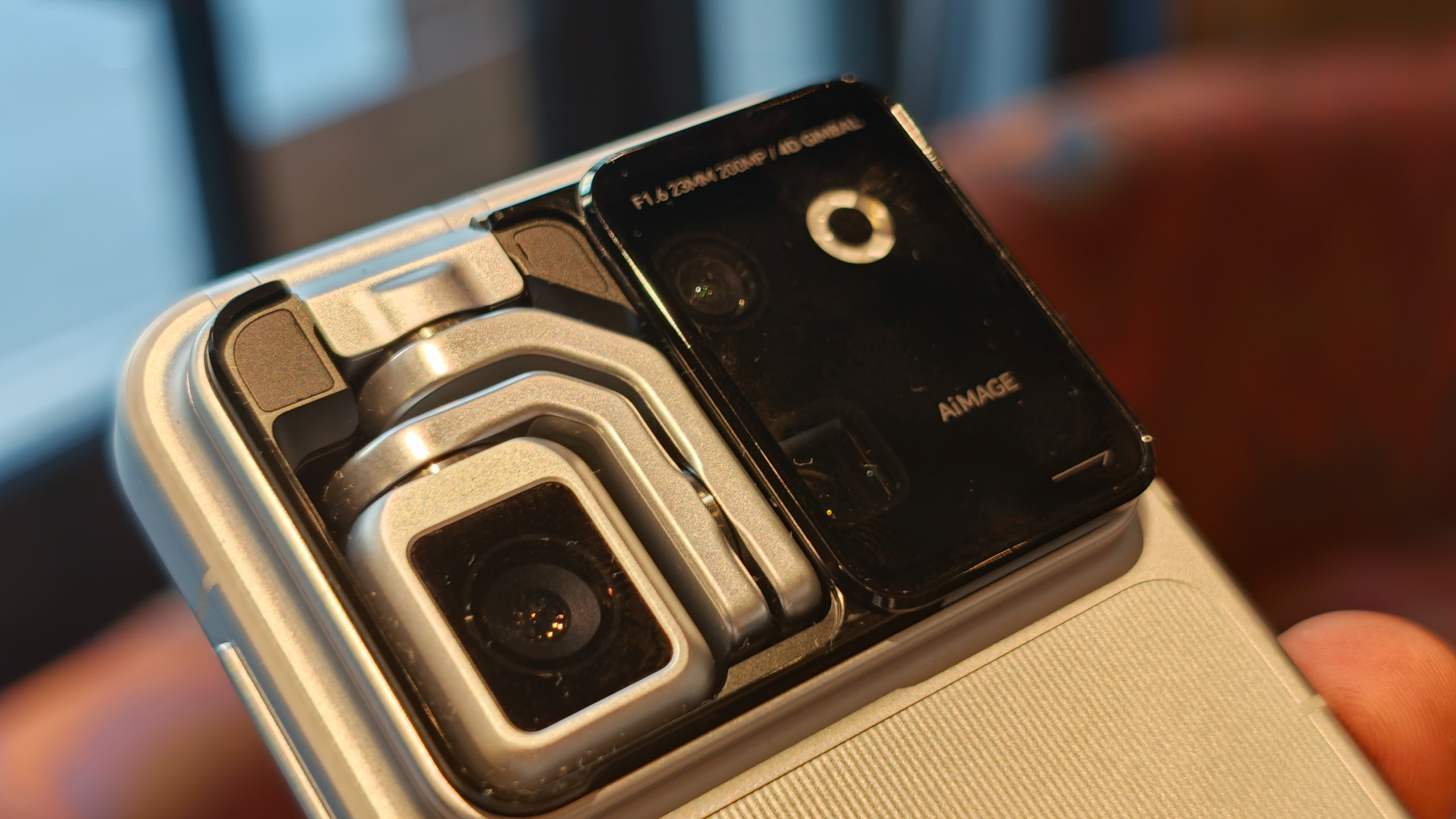
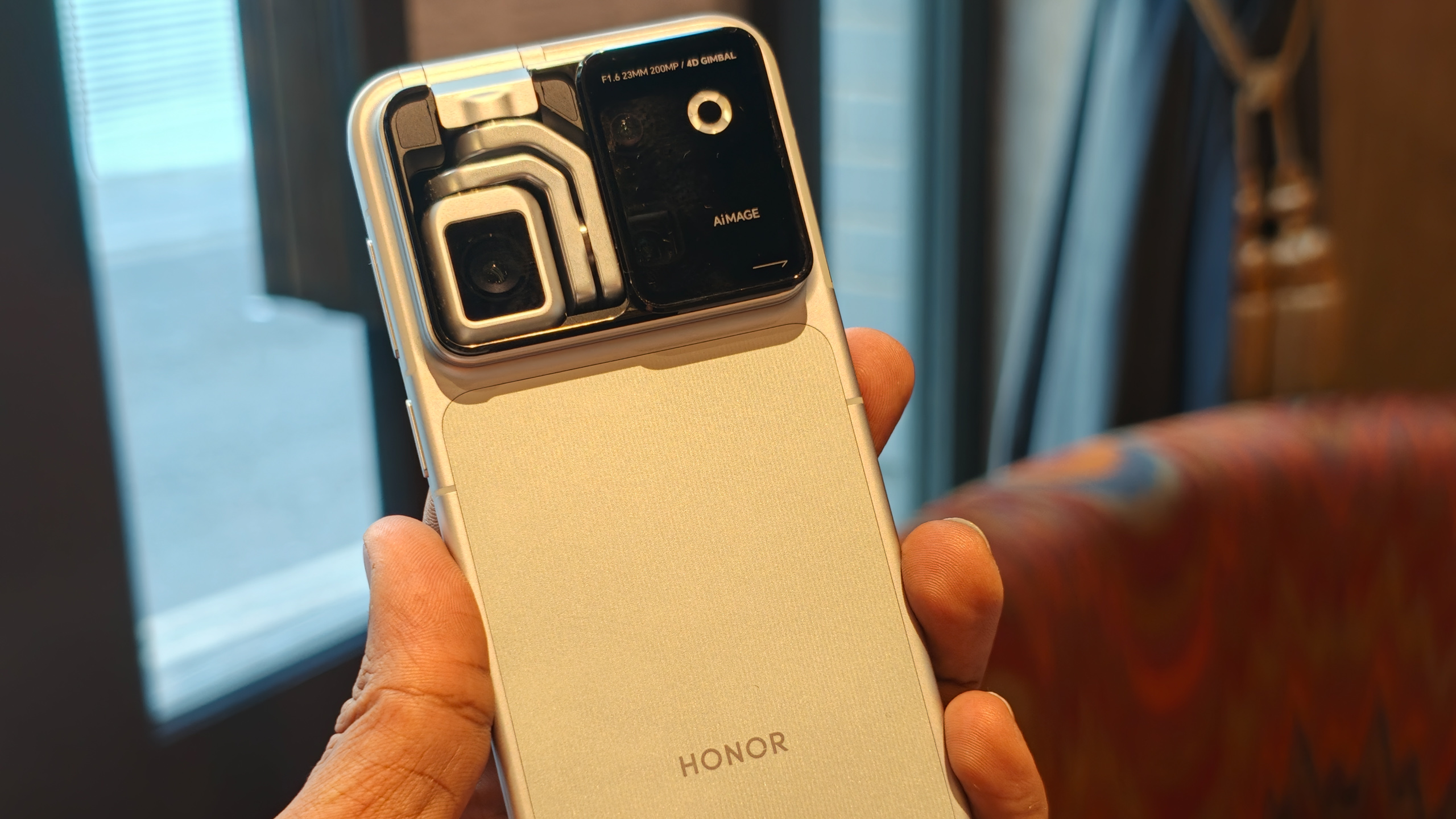
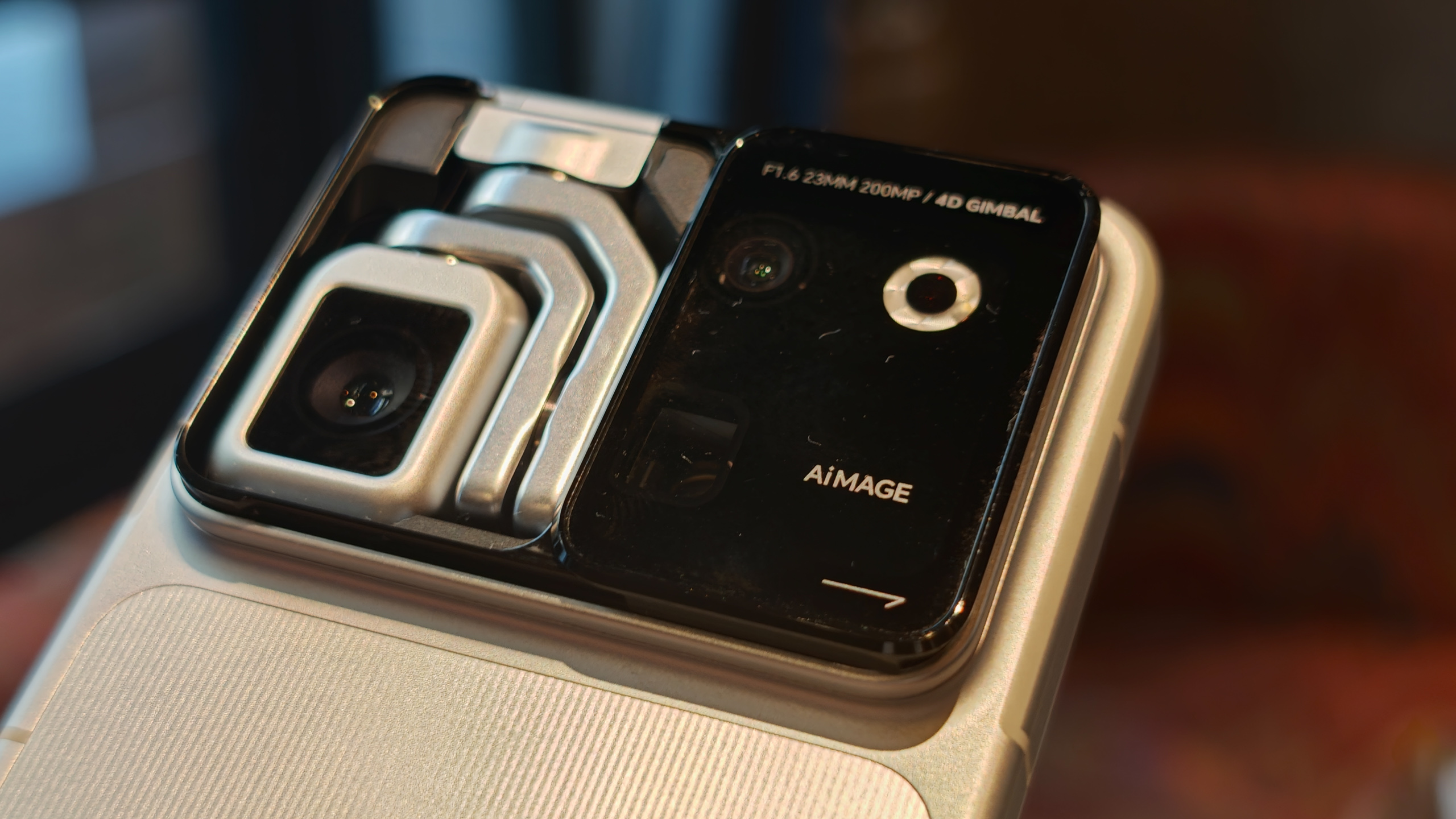
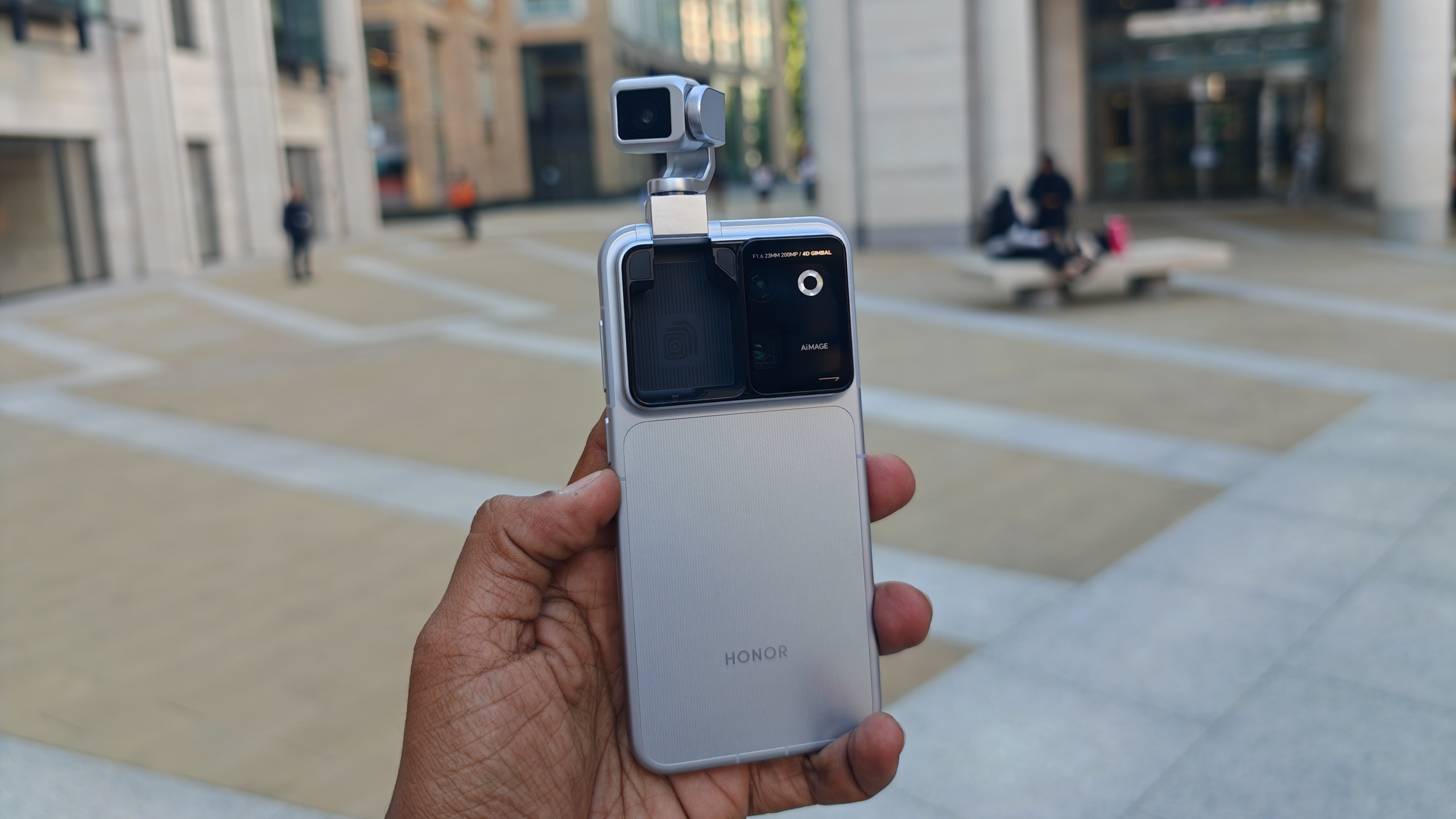
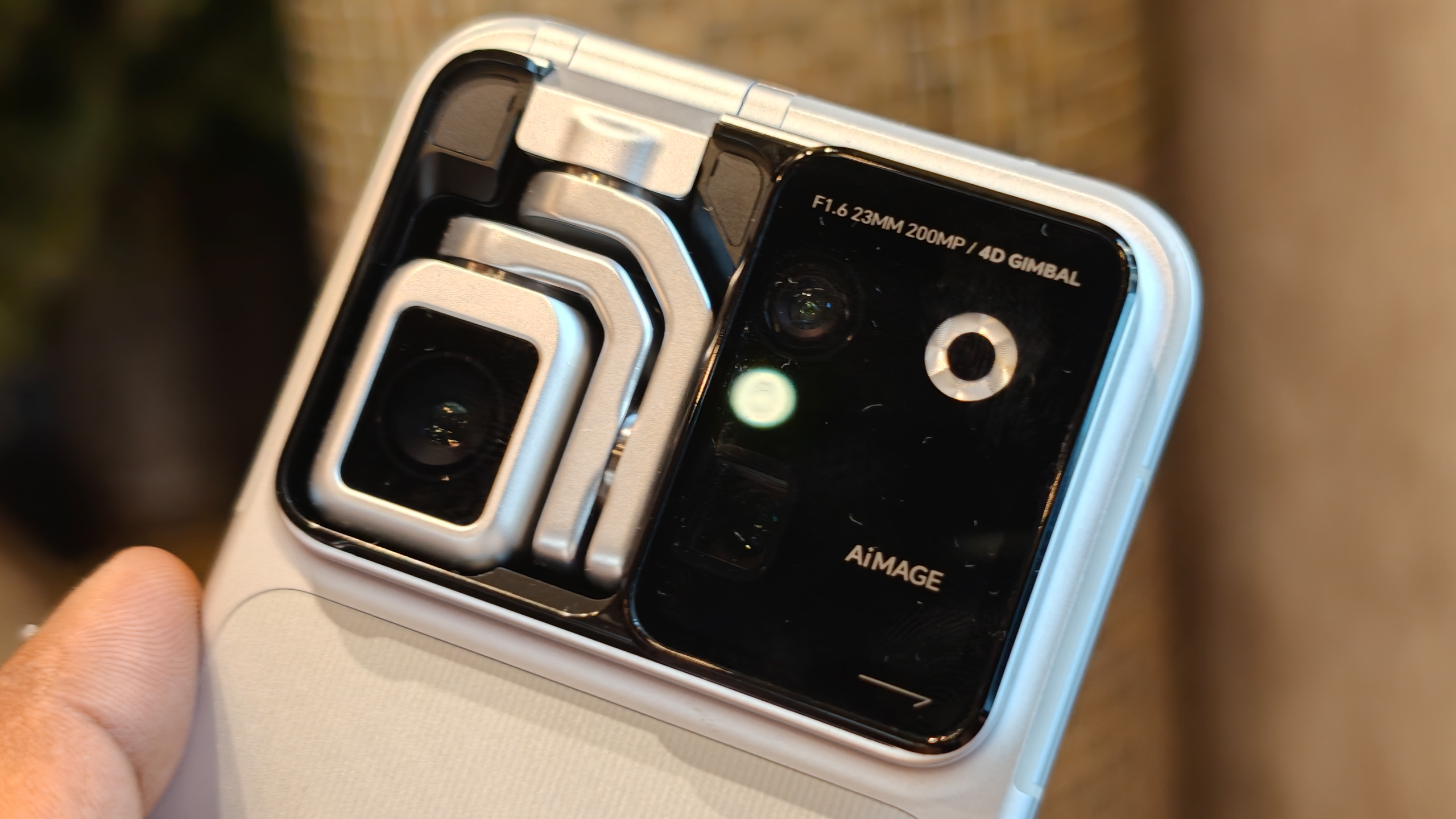
The standout is the triple-camera setup. The 200MP main sensor has a smaller 1/1.28” sensor compared to the much larger 1-inch sensor found on the gimbal, and while this does show in footage, it’s easily offset by the 200MP periscope telephoto — which offers 2.7x optical zoom and OIS — and the 50MP ultrawide. One of my biggest complaints about most gimbals is the lack of a true zoom, but the Robot Phone solves this.
The Robot Phone isn’t perfect, but I really want one

After spending a couple of hours with it, I had one key takeaway: the Honor Robot Phone isn’t a perfect gimbal, nor is it a perfect smartphone, but I really want one.
As someone who likes filming with a gimbal for on-camera footage, as well as b-roll of products with far less success, the Robot Phone gives me the gimbal experience in a phone that’s 9.6mm thick, which is far more pocket-friendly than the Pocket 3, which measures 33mm thick.
As the adage goes, the best camera is the one in your pocket, and the Robot Phone is arguably the best for creators because it offers something that no other phone does. Now, let’s see if the Robot Phone eventually launches outside China.