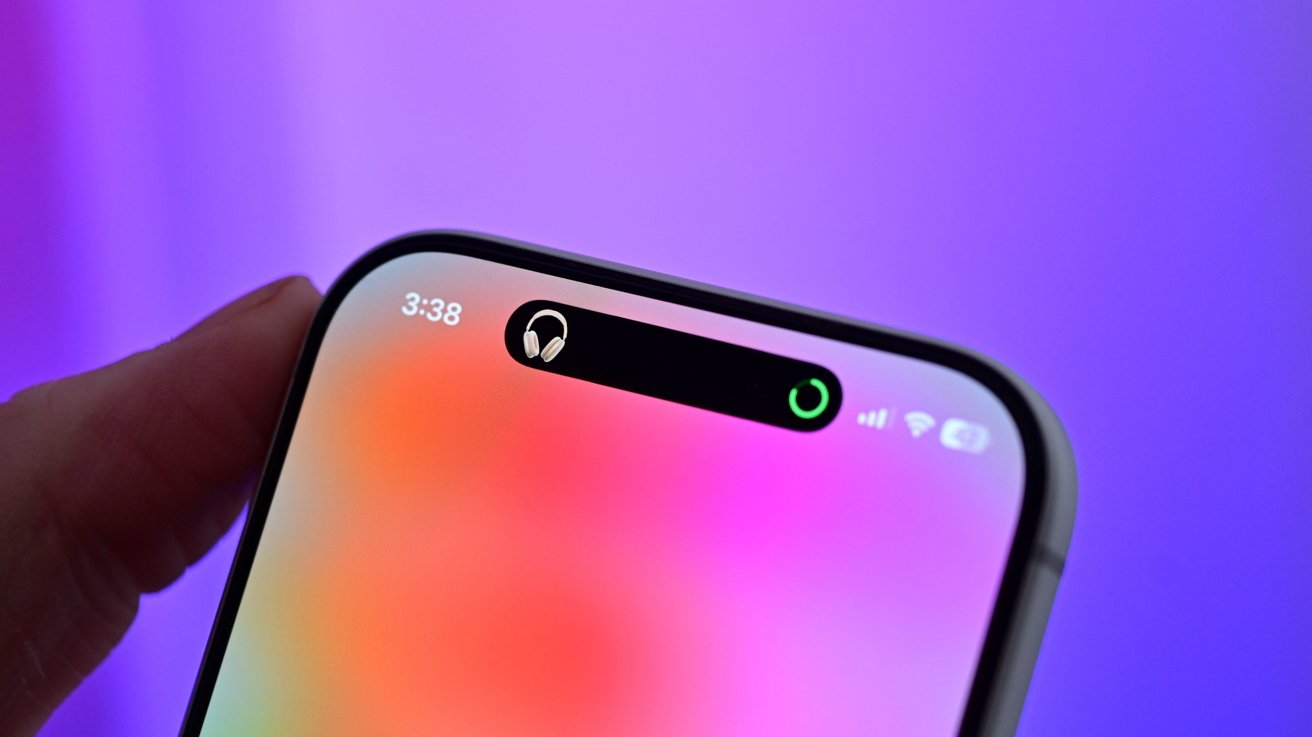
Apple's iPhone shipments rose 3% in the second quarter of 2026 even as the global smartphone market fell 11% to its lowest second-quarter level since 2013.
Global smartphone shipments fell 11% from the second quarter of 2025. Apple's share of global shipments climbed separately to a second-quarter record of 20%.
Samsung remained the market leader with a 24% share after posting the strongest year-over-year growth among the five largest smartphone makers. Xiaomi followed Apple with 12%, while Oppo and Vivo held 11% and 8%, respectively.
Rising DRAM and NAND memory prices drove much of the decline as suppliers prioritized demand from AI data centers. The resulting pressure has fallen hardest on entry-level and midrange phones, where manufacturers have less room to absorb higher component costs.
Pressure from costs contributed to double-digit shipment declines at Xiaomi, Oppo and Vivo. Price increases pushed some devices beyond their intended price bands, leading buyers to delay upgrades, choose older models or keep their existing phones longer.
Apple was the only major smartphone maker that didn't raise prices in the second quarter of 2026. Continued demand for the iPhone 17 lineup helped Apple's unit shipments rise 3% from the second quarter of 2025, while the series remained the most-shipped globally.
The company also has less exposure to the low-margin entry-level market. Higher component costs can quickly make a budget phone unprofitable, while premium pricing gives the company more room to absorb the increase.
Financing options and ecosystem loyalty should help premium smartphones remain more resilient through the rest of 2026. Apple's advantages don't eliminate the effect of rising memory costs, but they reduce the pressure compared with manufacturers that depend more heavily on lower-priced devices.
China remained a weak point for Apple. iPhone shipments in the country declined from a year earlier despite an early promotional campaign ahead of the 618 shopping festival.
Apple offered smaller discounts than it did during the corresponding sales period in 2025. Older iPhones also faced weaker demand as limited components were allocated to current-generation devices.
Smartphone makers are responding to higher memory prices by raising prices, accepting lower margins, extending the lives of older models, using promotions, and reducing production or planned launches.
Xiaomi simplified its product lineup and eased financing terms for retailers, helping the company maintain a 12% market share. Demand for Oppo's A-series and Reno models softened the company's overall decline, while Vivo struggled with supply problems and price increases that pushed key models beyond their intended price bands.
Google and Huawei grew outside the five largest brands. Google's shipments rose 16% from a year earlier, supported by the Pixel 10 and Pixel 10a, while Huawei's shipments increased 6% with help from its Mate 80, Nova 15 and Enjoy 90 lineups.
Global smartphone shipments are forecast to fall roughly 14% in 2026 compared with 2025. The memory and flash media shortage is expected to continue well into 2027. The price impacts will be felt for longer.
Phone makers are likely to keep cutting low-margin models, adjusting storage tiers and relying more heavily on refurbished or previous-generation devices to reach price-conscious buyers.
Premium smartphones should remain more resilient than cheaper models, but premium demand by itself can't restore the market. A meaningful recovery will depend on improved memory supplies and easing component-cost pressure.