I have been a huge Sonos fan and customer for years, dating back to the original Sonos One. So, about two years ago, when I heard that Sonos was entering the over-ear headphone market, I knew I had to give it a try. The Sonos Ace looked great, was very comfortable, and brought some cool Sonos ecosystem features. But for a premium pair of headphones, there were still a few areas that left me wanting more, like strong bass, better ANC, and a better app experience. But now, the new Sonos Ace Ultra feels like they went down that list and addressed nearly every complaint that most customers had, including me. I have been using them as my main headphones for almost a month now, for travel, video editing, workouts, walks, and everyday listening. So I have a good grasp on them now, and here is what you need to know.
Be sure to check out our hands-on video review for the Sonos Ace Ultra below:
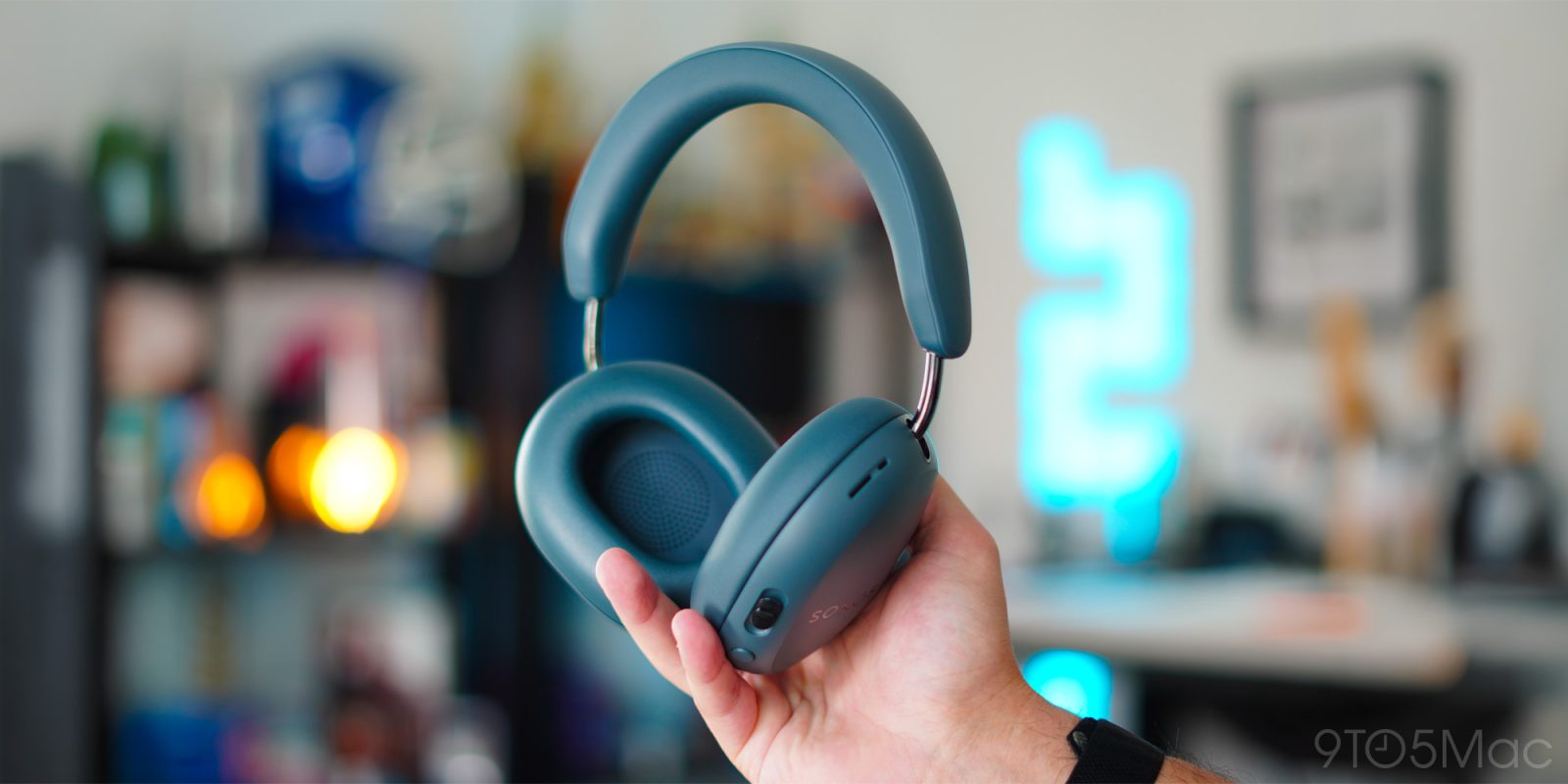
At first glance, the Sonos Ace Ultra does not look much different from the original Sonos Ace. They decided to keep the same clean, understated design with a few differently placed chrome accents and some additional colors. But the biggest differences are inside these headphones.
Here are some of the biggest changes from the original Sonos Ace to the Ace Ultra:
The main things that I noticed in these changes are the redesigned acoustics, better bass response, and stronger ANC. With the original Sonos Ace, I would sometimes get this hissing noise when I was in ANC mode. This would rarely happen, but I did notice it. So far, the new Sonos Ace Ultra has alleviated that issue. You also still get some of the great specs from the previous model like:
They still have the same super high-quality design, combining plastics and metals to give you a premium, lightweight feel. The Sonos Ace Ultra also keeps the magnetically replaceable ear cups, and one of the best things that I have noticed is the new EQ settings that really let me hone in on how I like to listen to my music. But how were they as an everyday pair of headphones?
Again, it’s easy to put specs on paper, but the biggest reason I’ve enjoyed the Ace Ultras is that they actually sound noticeably better. My biggest complaint about the original Sonos Ace was the lack of bass depth. The bass was not bad, but for a pair of $450 headphones, I felt like they were lacking a bit. I listen to a lot of R&B, hip-hop, and pop music, so bass is important to me. I wanted more low-end impact and to feel the bass. The Ace Ultra finally delivers the experience that I wanted.
There is substantially more punch and depth at the low end. But one thing to note here is that Sonos hasn’t achieved that by simply turning up the bass slider. Any headphone brand can crank up the bass, but the difficult part is maintaining separation so that the bass doesn’t overwhelm the vocals, instruments, and higher-end frequencies. That is where the Ace Ultra has really impressed me. The bass hits harder, but the vocals are still clear, crisp, and easy to listen to. And it’s not just for music; all media sounds better, like podcasts, movies, and all the YouTube videos I watch. They have sounded fantastic in all media listening situations.
The improved ANC is something else I noticed immediately. The new 10 mic array allows even more sound to be dynamically pushed away from the headphones. Even when there is no media playing, it’s insane how quiet the headphones are in so many different environments. It’s almost too good! The biggest improvement to ANC is the unpredictable noises. It’s one thing to block out a consistent noise like an airplane engine, but another to block out passing cars, construction, sirens, or sudden loud sounds while walking outside.
Two final things I want to bring up are comfort and the Sonos ecosystem. These headphones are the most comfortable headphones I have worn. Even on a long 8-10-hour airplane ride, I wore them 95% of the time, and I felt no aches, pain, or heat at all. Lastly, I have a lot of Sonos speakers around my house, and they introduced a new feature that lets you move music from a speaker to your headphones with the press of a button. It’s a very cool feature, but I personally haven’t used it much.
My only complaint is that they need a new zipper or mechanism for the headphone case because that sticker gets stuck way too often!
The Sonos Ace Ultra is available today on Sonos’s site and Amazon for $449, keeping the same launch price as the original Sonos Ace. They come in four colors: Black, White, Agave, and Sand. I also noticed that the original Sonos Ace is available on Amazon for $239 while supplies last. At $240, now that could be a good choice as well.
At $450, the Sonos Ace Ultra is firmly in the premium noise-canceling headphone category alongside options from Apple, Bose, and Sony.
The original Sonos Ace felt like a good first-generation product. The Sonos Ace Ultra feels like a complete and finished product. As we saw, they did not reinvent the look or design, but they improved in all the areas that mattered and even added a few new cool features. The sound is noticeably better, the ANC is strong and smarter, battery life lasts longer, the app experience is smoother, and that Agave color is amazing.
If you already own the OG Sonos Ace, I actually think there is enough here to justify the upgrade, depending on what you value. If you are in the market for a premium set of headphones, I think the Sonos Ace Ultra needs to be on your shortlist. At $449, they are certainly not cheap, but if you want one of the best premium headphones and are a Sonos fan, then you will love these.
What do you think? Have you tried the Sonos Ace line at all? Are you a Sonos customer? What do you think of the app experience? Let’s discuss below!
FTC: We use income earning auto affiliate links. More.
Check out 9to5Mac on YouTube for more Apple news:
Fernando Silva started off his professional career in the enterprise technology space with his primary focus being moving large organizations from onsite legacy technologies to a more modern cloud infrastructure. All the technologies he dealt with were mostly in the Microsoft arena but he was always a lover of Apple at heart.