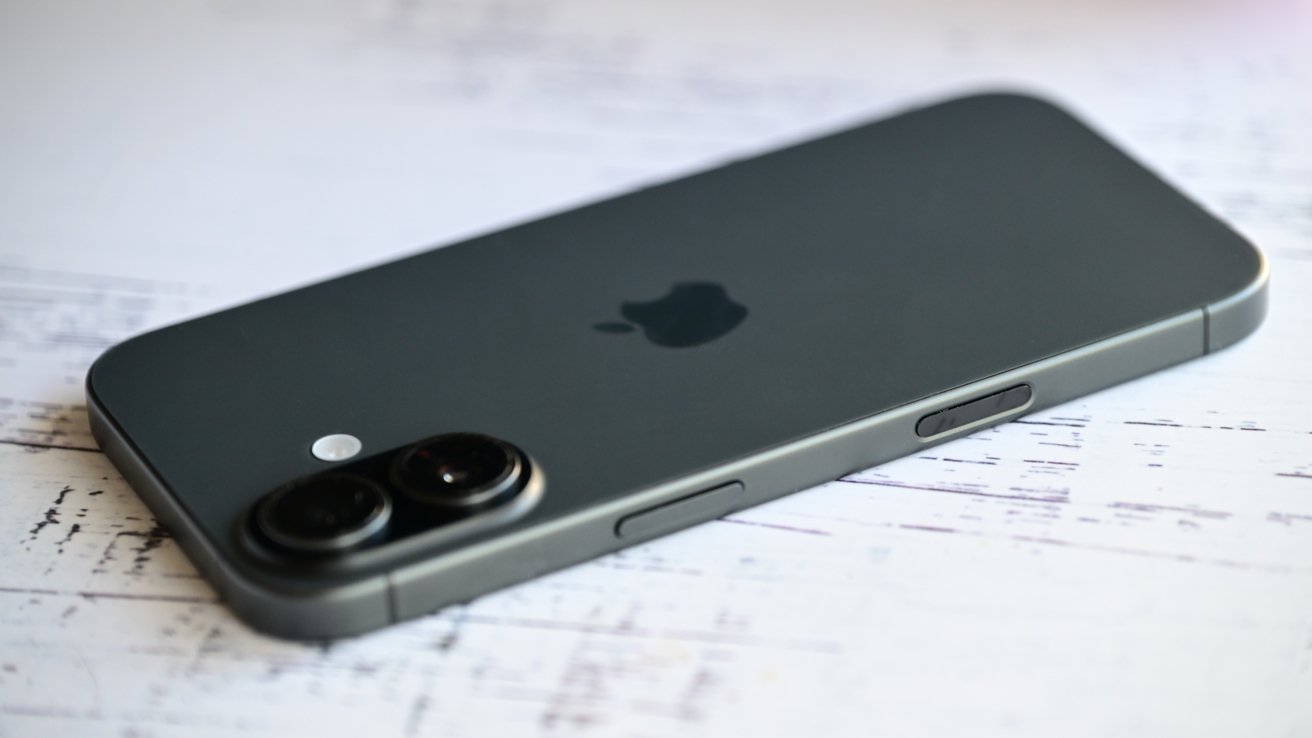
Existing iPhone owners continue to account for nearly nine in 10 surveyed U.S. purchases, showing how Apple's enormous customer base isn't dwindling under pressure from Google and other Android smartphone manufacturers.
Consumer Intelligence Research Partners estimates that 87% of U.S. iPhone buyers in the March 2026 quarter came from another iPhone. The share reached its highest level in the three years covered by the report, up from 84% in 2025 and 85% in 2024.
Another 12% switched from an Android smartphone, down from 14% in 2025 and slightly below the 13% measured in 2024. The remaining 1% came from a basic phone, bought a first smartphone, or fell into another category.
The numbers point to a smartphone market in which most buyers settled on a platform years ago. Apple can still attract Android owners, but the larger opportunity comes from convincing hundreds of millions of existing customers to replace an older iPhone with a newer model.
Android users have accounted for 11% to 15% of new iPhone buyers in recent years, placing the March quarter's 12% result within CIRP's usual range. The decline from 14% in 2025 looks more like routine movement than a major shift in Apple's ability to attract Android owners.
Switching platforms can mean transferring years of data, replacing apps and accessories, and rebuilding familiar workflows. Existing iPhone owners face far less friction because their photos, messages, passwords, apps, and settings can move to a new model.
A 12% share still represents a meaningful source of new customers at Apple's scale. Apple posted record iPhone revenue as Counterpoint estimated that U.S. iPhone sales volume rose 1.3% while the overall market fell 5.7%.
The growing iPhone buyer pool also makes CIRP's percentage harder to interpret on its own. The number of Android converts could hold steady or increase even if those buyers represent a smaller share of total iPhone purchases.
The 87% figure shows why Apple doesn't need a surge in platform switching to sustain the iPhone business. Existing owners already understand iOS, own compatible accessories, and may have years of purchases and personal data tied to Apple Services.
Carrier promotions and trade-in offers can make another iPhone the easiest financial and technical choice. Apple also benefits beyond the phone sale because repeat buyers may remain connected to Apple Watch, AirPods, Mac, iPad, and Services.
Apple said on January 29, 2026, that its installed base had surpassed 2.5 billion active devices worldwide, although it doesn't disclose how many are iPhones or how many belong to unique users.
Only 1% of CIRP's surveyed iPhone buyers came from a basic phone, bought a first smartphone, or entered through another route. Apple and Android manufacturers are therefore competing mostly for people who already own a capable device.
Winning a new customer means persuading someone to leave a familiar platform, while keeping one preserves future hardware and Services revenue. Each Android convert can also become part of Apple's repeat-buyer pool in later upgrade cycles.
CIRP's survey measures the composition of iPhone buyers rather than the total number of people switching platforms. Apple's U.S. iPhone business still draws most heavily from existing owners, while Android converts remain a smaller but steady source of new customers.