Is Garmin's new option worth $100 more than the Fitbit Air?
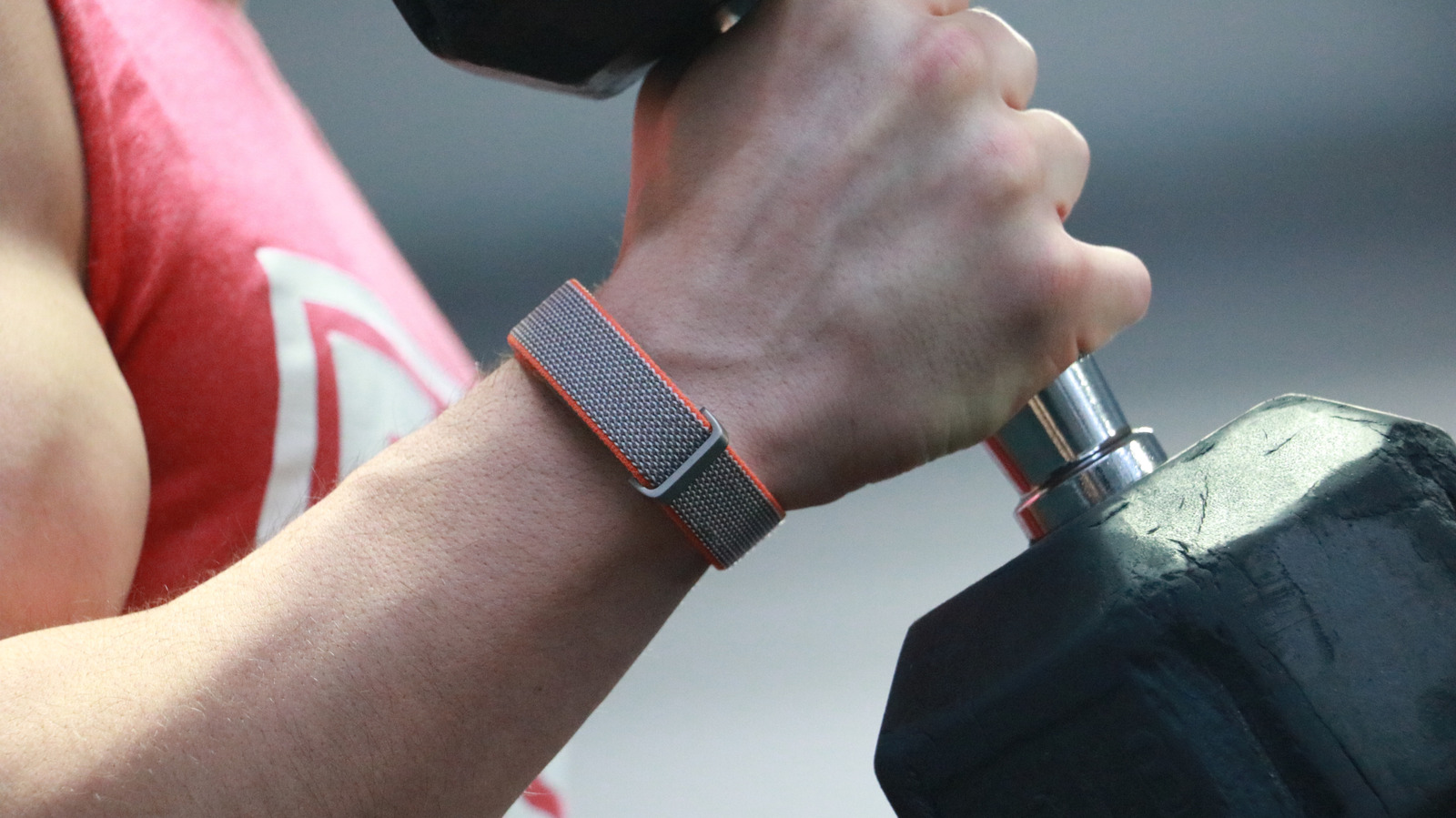
A new Whoop competitor has entered the villa: the Garmin Cirqa, a new screenless fitness tracker that's designed to be as unobtrusive as possible. It joins the lineup of recent screenless devices alongside Google's Fitbit Air, which was released this past May. The devices share many similarities, but the Cirqa is $100 more expensive than the Fitbit Air — is it worth the price jump?
Both the Cirqa and the Air offer all the basics you'd expect: step, sleep and workout tracking alongside features like in-depth heart health analysis are all present. They even share many of the same weaknesses, like a water resistance rating of 50m (meaning they can only handle light swimming) and a reliance on phone-connected GPS, Though they're quite similar, there are some meaningful minutiae that can help you decide which fitness tracker is right for you.
Price: Arguably the biggest difference and deciding factor between the Garmin and Google devices is the price. The Fitbit Air retails for $100, while the Cirqa goes for $200. For those who haven't dabbled in fitness wearables before, the Air's price is much more approachable.
Battery life: The Fitbit Air's battery lasts an impressive seven days, but the Garmin Cirqa has it beat with a purported 10-day lifespan. To be fair, seven days is still quite a long time, and for a full charge, both devices take approximately 90 minutes. The Fitbit does have a slight speed advantage here, with a quick charging feature that can provide a day's worth of battery life in five minutes.
Size difference: Both the Cirqa and Air are small devices, but Google's device wins for the most unnoticeable. With a band, it weighs just 12g and measures 17 x 34.9 x 8.3 mm, while the Cirqa is 20.7 grams (21.2 if you get a L-XL band) and 27 x 47 x 9 mm. While the Cirqa is still quite small, if you're looking for a band you'll completely forget you're wearing (a particularly useful feature if sleep tracking is a big part of your planned usage), the edge goes to the Air.
Subscriptions: You can unlock even more features with the Cirqa and Air through subscriptions, either Google Health Premium ($10 per month) or Garmin Connect+ ($7 per month) respectively. Subscribing to Google Health Premium unlocks a significant amount of features, including workout plans, mindfulness sessions, more detailed sleep tracking and what Google calls "proactive insights." It's important to note that it's a very Gemini-reliant service, so if you're not the type who enjoys chatting with an AI coach, it might not be your cup of tea.
By comparison, Garmin Connect+ feels much more optional. Almost all analytics are included in the device with no subscription, and paying for the service is really only necessary if you want the device to provide guided breathwork or design specific workouts for you.
A button: A small but significant difference is the presence of a button on the Cirqa. Unless you want to select an activity via the companion app before beginning, the Air solely relies on automatic workout recognition (also a feature of the Cirqa) to start tracking. The Cirqa, on the other hand, has a singular side button that can be used to start a workout manually. This can ensure a workout is logged precisely when you begin, and eliminates the need to scroll through the companion app to start your activity.
Data insights: Alongside the aforementioned paywalled insights of the Air, there are also a few differences in what data each device looks to measure. The Cirqa has several different metrics: your Training Status, which analyzes progress on fitness goals, Body Battery, which predicts overall energy, Training Readiness, which tells you how hard to push yourself on any given day and Fitness Age, a measure of how your health compares to your age.
Conversely, the Fitbit Air tracks a Cardio Load, which is calculated on a weekly basis, and otherwise largely relies on an overall Daily Readiness score, an amalgam of sleep and exercise data designed to give a broad picture of how to go about your day. Comparatively, Cirqa offers more daily insights and in-depth training analysis.
It's worth noting that, if you intend to use your new fitness tracker for a long time, the difference in price starts to tilt in Garmin's favor after about three years when taking into account cumulative subscription costs. Both devices are still cheaper than the Whoop, especially considering that, in some markets, the previous business model of offering the device for free and making users only pay for a subscription has been eliminated. Even in the United States, where at the time of writing the Whoop device itself is still free, the cheapest subscription still retails at $199 annually.
At their core, the Cirqa and Fitbit Air are designed for slightly different fitness goals. The former is geared more towards serious athletic training, with over 80 trackable exercises and a myriad of ways to keep track of your progress, while the latter focuses more on holistic wellness — the Google AI is called Health Coach and not Exercise Coach for a reason. If you're just starting out with fitness wearables, Google's Fitbit Air could be the right fit; if you're a hardcore fitness enthusiast, the Garmin Cirqa is likely the more viable choice.