Counterpoint Research says Apple captured 65% of the premium smartphone market in the first half of 2026, as the segment grew to a record 29% of global smartphone sales. Here are the details.
In a new report, Counterpoint Research said premium smartphones ($600 and up) accounted for a record 29% of the overall market during the first half of 2026, up four percentage points year-over-year.
From that total, Apple accounted for 65% of premium smartphone sales, up from 63% in H1 2025 but down from 74% in H1 2022. Samsung held steady at 19% compared with last year, up from 17% in 2022.
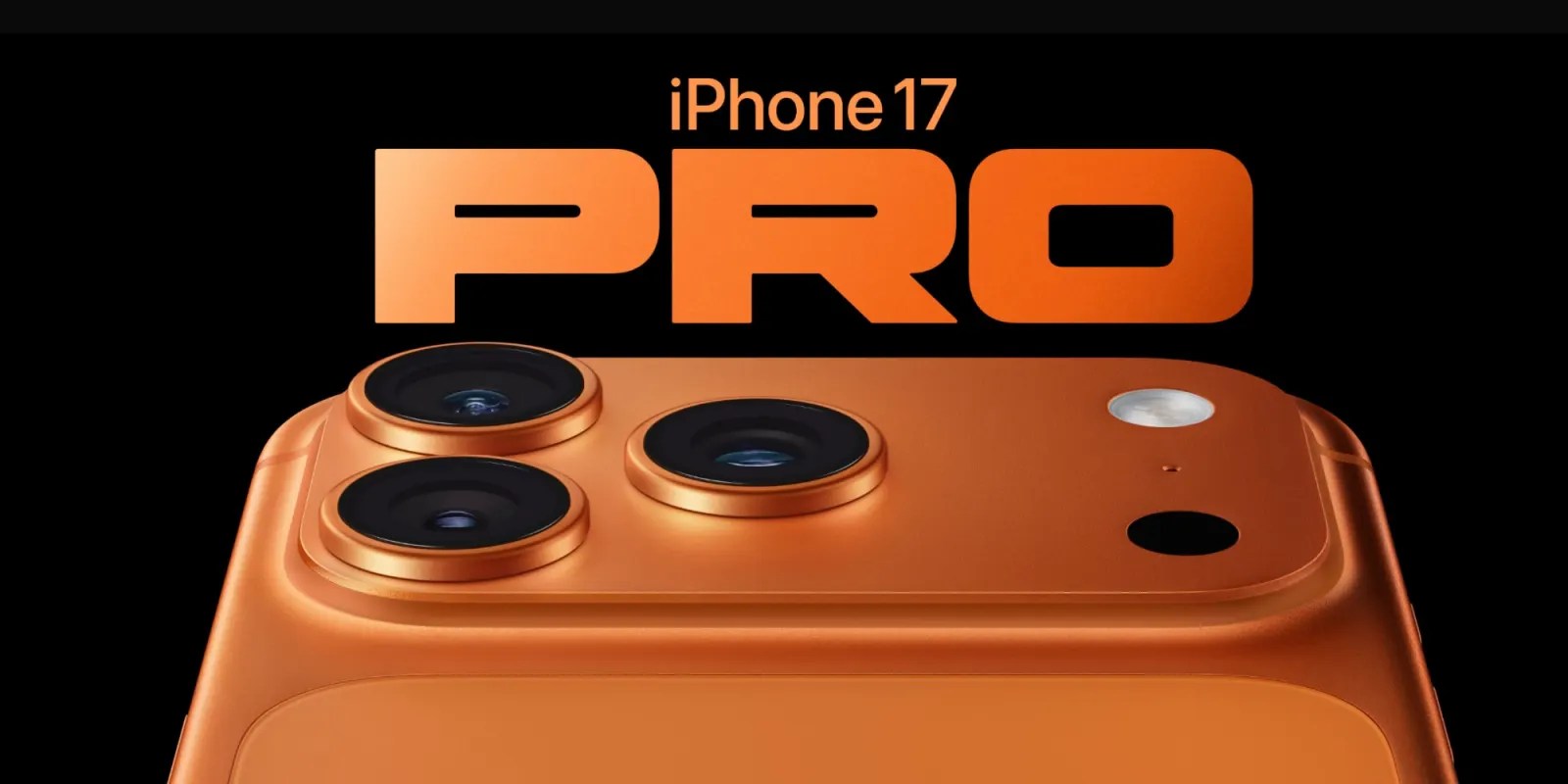
Counterpoint attributed Apple’s 9% year-over-year growth to the strong performance of the iPhone 17 line, “especially the base model,” reversing last year’s downturn it says was the result of “intensified competition in China.”
Here’s Counterpoint Research’s Senior Analyst Harshit Rastogi on the report:
Rising memory and component costs are reshaping smartphone pricing and creating opportunities for OEMs to accelerate premiumization. As mid-segment Android smartphone prices rise, the price gap with premium devices, especially older or discounted flagship models, is narrowing. This trend makes flagship smartphones a better upgrade option for consumers. To support this shift, OEMs are expanding financing, trade-in and buyback programs to improve affordability. Samsung has also expanded its Galaxy Forever program to several markets to make flagship devices more accessible.”
Counterpoint notes that brands have been “pushing premium smartphones through trade-in, financing and buyback programs,” adding that “premiumisation is expected to continue due to better component procurement, consistent demand and financing.”
To read Counerpoint’s full report, follow this link.
FTC: We use income earning auto affiliate links. More.
Check out 9to5Mac on YouTube for more Apple news:
Breaking news from Cupertino. We’ll give you t…
Introduced in 2007 by Steve Jobs, iPhone is Appl…
Marcus Mendes is a Brazilian tech podcaster and journalist who has been closely following Apple since the mid-2000s.
He began covering Apple news in Brazilian media in 2012 and later broadened his focus to the wider tech industry, hosting a daily podcast for seven years.