Adobe's newest AI ChatGPT plugin shows that the company doesn't care where people create, but more on ensuring they create with Adobe.
On Thursday, Adobe and OpenAI rolled out a new feature. A new ChatGPT tool that would combine more than 70 of Adobe's creative tools into a single plugin, accessible by typing @Adobe.
If you've got an Adobe account, you can go to ChatGPT, install the Adobe plugin, and begin generating… Well, whatever you want, really.
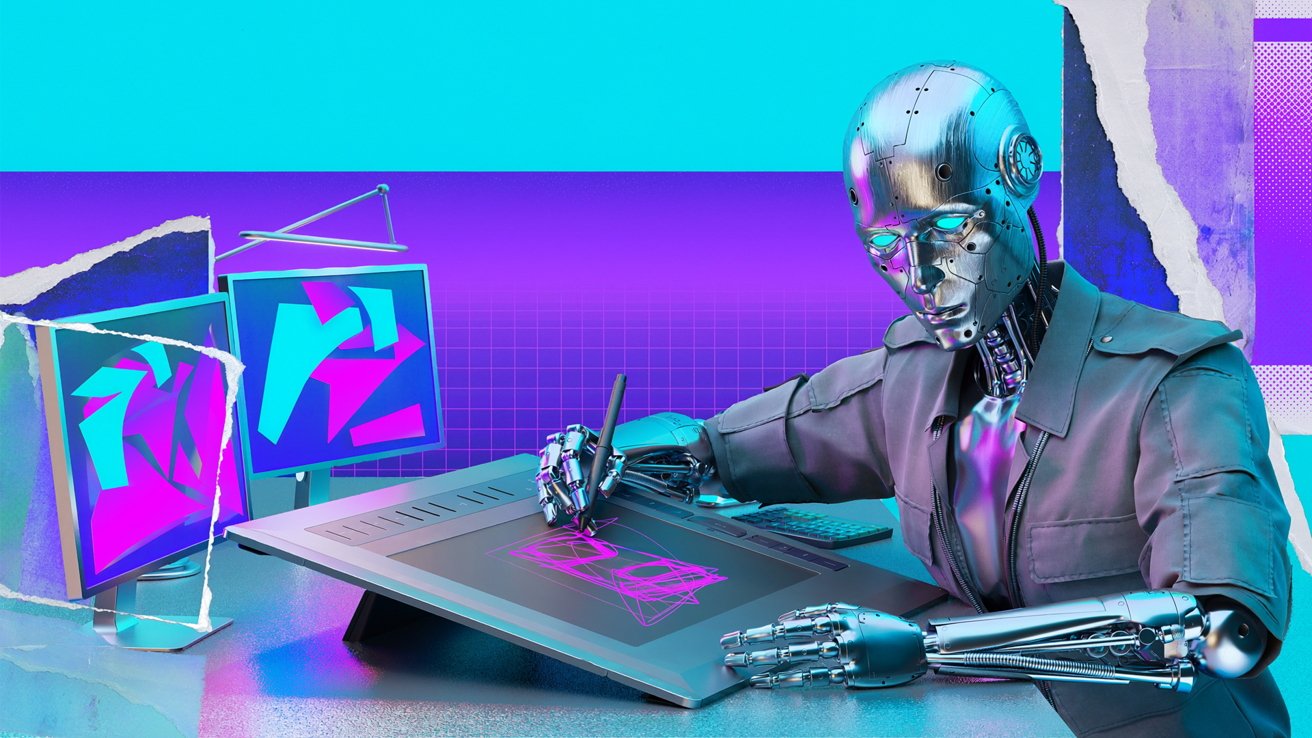
And you'd get something like the image above.
It's an interesting tool, primarily because it doesn't just generate images. You could make short videos or even PDFs thanks to its Acrobat integration.
Currently, anyone can use this for free. Both paid ChatGPT and paid Adobe accounts offer more expansive features.
The benefits for OpenAI are numerous, obviously. The company wants to turn ChatGPT into a one-stop shop for everything from creative output to medical triage.
While the all-in-one plugin is new, it's not Adobe's first plugin for ChatGPT. Before, you could install individual plugins that allowed you to use a single tool, like Photoshop at a time.
And Adobe doesn't just partner with OpenAI. There is an Adobe Photoshop plugin for Anthropic's Claude, with Google Gemini and Slack versions set to release in the future.
I suspect that Adobe will eventually package this all-in-one plugin for other platforms, too. Adobe's all in on AI; that much is clear.
As always, it's worth taking a little time to look at how we got here.
For decades, Adobe has stood atop the digital creative software mountain without many competitors. This allowed the company to become industry standard in many fields.
Even smaller, independent artists usually found themselves beholden to Adobe. At least until they were priced out and forced to seek alternatives.
Hell, Adobe even influenced the vocabulary around image manipulation. For years, everyone referred to seemingly unbelievable images as "being Photoshopped."
Though now I suspect we'll hear that term replaced with "that's AI." It's already being wrongly thrown about as an excuse why a reader doesn't like something that's been written by a human, so why not?
Its reign as creative king gave Adobe incredible power in the space. When competitors like Affinity and Procreate peeled off the smaller, independent artists, Adobe knew that it could weather the storm because it had the industry money.
Unfortunately, that's not the case anymore. Some of it is Adobe's fault, to be clear.
At the time of publication, Adobe stock has lost nearly 60% of its value in the past five years.
Adobe's pricing practices and cancellation flows are, to put it lightly, abhorrent. So much so that the Department of Justice had to step in.
Coupled with aggressive price increases, Adobe's burnt through the last of the goodwill it had built up with artists. Many people have decided that Adobe's products, good as they may be, aren't worth it anymore.
But, it's not entirely Adobe's fault, either. Some of it is the market Adobe is forced to operate in.
The creative industry, and especially the commercial sector, has been restructuring for years. Instead of having full-time staff, many corporate creative jobs are now per-project, and rely heavily on small teams of independent contractors.
This means that Adobe doesn't get to rely on a fat paycheck from a large corporation buying hundreds of full-ride software license packages.
The problem becomes compounded, again, when the creative industry finds ways to cut ties with the artists who long held it up. Artificial intelligence is being used to reduce the number of working artists even further, which could directly affect Adobe's bottom line as well.
I've spoken at length about Adobe's rush to embrace AI several times. As a person who has been using Adobe products since about 2001, I can say that this was probably inevitable.
And, while I don't agree with it, I get it. For the first time, possibly ever, Adobe's on the back foot.
Not only is it dealing with an industry that is feeding itself into a wood chipper, but it also has actual competition in products like Canva. This is especially true in relatively young markets like social media platforms.
Adobe needs to find its place again, or the company risks facing the same layoffs and restructuring that plague the rest of the tech industry. By selling subscriptions to ChatGPT users, Adobe may be able to buy itself a little breathing room.