Did you hear it was just a ban on Chinese humanoid robots? It’s not.
Did you hear it was just a ban on Chinese humanoid robots? It’s not.
When the Trump administration announced yesterday that it was banning “advanced robotic devices” from entering the United States, the headlines were all about humanoids. But spying doesn’t require legs — and neither does the FCC’s robot ban.
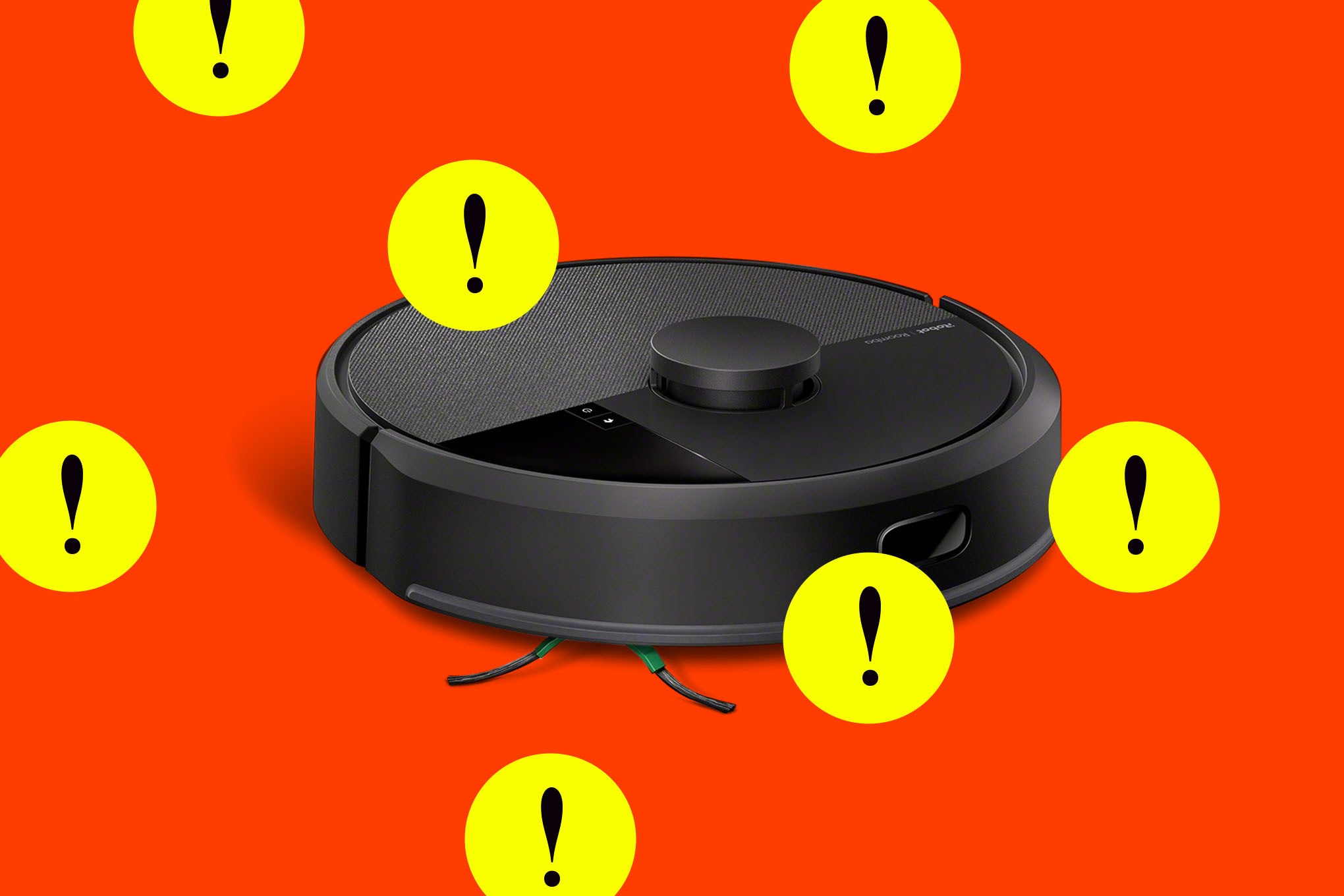
The robot ban will sweep up robot vacuum cleaners too, FCC media relations director Katie Gorscak confirms to The Verge.
It’s not coming for your existing Roomba, and companies can keep importing and selling already approved ones. But the government claims that future foreign robots pose a national security risk, and even robovac companies are suddenly being asked to commit to US manufacturing.
While the government did include “humanoid robots” and “quadrupeds” among the bots it wants to ban, the ban is far broader than that. It covers almost any new software-controlled robot that travels over the ground, weighs more than 4.4 pounds (including any dock), can perceive its environment, and has wireless connectivity.
By that definition, the FCC is banning future robot lawnmowers, sidewalk delivery robots, and the robots that crate around packages at your local Amazon warehouse, too.
It was already clear from the government’s ban announcement that it was thinking about robot vacuums. In the National Security Determination that the FCC is using to justify the ban, the government explicitly calls out my reporting on the incredibly poor security that let one man access 7,000 DJI robovacs around the world.
But like the consumer router ban, the FCC isn’t actually targeting companies with poor security. It’s targeting basically every robovac company, regardless of their security practices — because basically every robovac is manufactured outside the US.
Even before the US-based maker of the Roomba went bankrupt, its robots were built by a Chinese company. Just like Apple and Google and most every other gadget brand, these things are not produced domestically.
Today, the vast majority of robot vacuums are designed by Chinese companies, too — all of the top five, including Roborock, Ecovacs, Dreame, Xiaomi, and Narwal, are Chinese entities. Even Dyson is turning to Chinese manufacturers. Following bankruptcy, the Roomba brand is now owned by a Chinese company too, its former contract manufacturer Picea.
“There are very few non-Chinese brands these days and their share is so small that it’s difficult to track,” IDC analyst Jitesh Ubrani tells The Verge.
Even Matic, our top robovac pick that’s assembled in California, may have to apply for a waiver for new models. It doesn’t yet source 65 percent of components from the United States, co-founder and CEO Mehul Nariyawala tells The Verge.
Because yes, even US companies need to swear their robots are made in the US to get the government’s waiver. Meanwhile, foreign companies will need to swear they’re investing in US manufacturing — or lie, like that DJI front company I wrote about.
If Trump and Carr were focused on actually protecting US citizens from the incredibly worrying security practices of smart home companies, I might argue that the FCC shouldn’t exempt cleaning robots, as they can spy just as effectively as a humanoid. The DJI Romo robovac was a chilling example, letting someone on the other side of the planet map out my colleague Thomas Ricker’s home, but it gets much worse — read about the robot lawnmower that ran me over to hear how.
But again, the government isn’t asking these companies any questions about security — not one — to get the waiver that lets them through. The FCC only wants to know where they’re designed and made and assembled and tested and influenced, and get a specific commitment to start manufacturing them in the US instead.
Even then, it appears the FCC will simply preference US companies without any new commitments to security or US manufacturing, like it did when it almost immediately let Netgear off the hook — even though Netgear’s routers were among those targeted in the Volt Typhoon incident that helped justify the router ban to begin with. Four unnamed sources told Reuters that “the FCC is expected to exempt many non-Chinese suppliers from the restrictions.”
The government isn’t de facto banning every type of robot made outside the US without its special waiver. It already has exceptions for self-driving cars and trains, unmanned aircraft and underwater vehicles, surgical robots, wheelchairs, and fixed robot arms for industrial and medical use. But most robots now have an uncertain future in the United States.
It’s also worth repeating that the FCC is not coming for your existing robots, just like it isn’t coming for your existing routers or drones. But it’s also worth repeating that if these gadgets truly pose a national security risk, it’s kind of silly to do nothing about the ones we’ve already purchased.
Jennifer Pattison Tuohy contributed reporting.