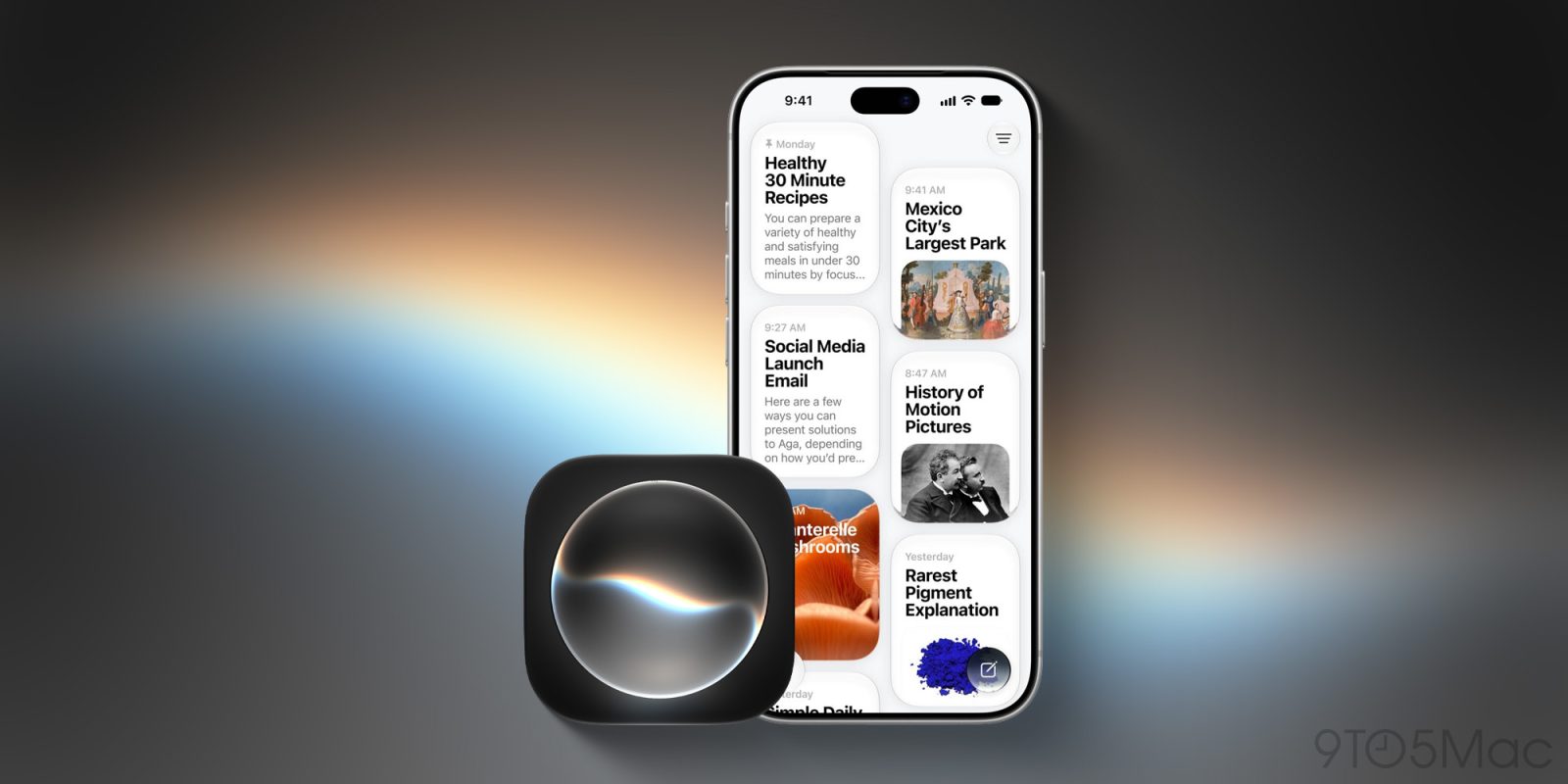
Apple finally shipped its long awaited personalized Siri with iOS 27. The company lived up to its promises, and delivered on its hefty goals that it set out back in 2024.
That said, Siri still lacks in terms of proactively taking actions for you, a feature that many AI companies are actively working towards. Apple might come around on that next year, per Bloomberg’s Mark Gurman. The company is also experimenting with a new engineering pipeline that might make faster development possible.
In recent months, companies like Meta and SpaceXSI have gone all-in on new agentic AI interfaces that can carry out tasks for you. Muse and Grok Bot are agents that have their own virtual machines and can proactively handle tasks in the background for you, then deliver results.
Apple has a lot of potential to deliver in this space, especially given all of the frameworks they’ve built up over the years, like App Intents. With Apple, you hypothetically wouldn’t need to depend on as much computer-use ability, making certain tasks a lot less expensive.
Dots, Muse and Grok can keep track of goals, determine what needs to happen next and continue pursuing objectives without the user initiating every individual step. Apple ultimately wants to go in this direction, I’m told, and I believe the company could make Siri more like an agent as early as next year — not that it has much of a choice, given current consumer and market demands.
It remains to be seen what Apple will ultimately ship here, but with the right execution, Apple certainly has high potential to compete in this space.
An agentic Siri would be a welcome addition. I’d love to see Apple focus on deploying this for tasks like scheduling appointments or making informational calls—things humans don't necessarily need to do themselves. Of course, it would need to be highly usable and built with privacy in mind. If implemented well, it could be a fantastic use of AI
A major part of better execution is having a better process. According to Gurman, Apple is also giving engineers more time to code and explore, rather than spend as much time integrating features within the operating system.
Typically, each of these stages is four weeks. With the first cycle of iOS 28 development, Apple is allotting 6 weeks to coding and 2 weeks to integration. This change was likely driven by the massive advances in agentic coding tools in the past couple years:
For this cycle, though, Apple has done things differently for the M1 milestone. Instead of the normal split between two four-week efforts, Apple engineers were tasked with six weeks of coding, exploration and feature development, and then only two weeks of convergence. Employees say they like the change, indicating that it creates more time for coming up with ideas and exploring them before needing to lock things in.
Follow Michael: X/Twitter, Bluesky, Instagram
FTC: We use income earning auto affiliate links. More.
Check out 9to5Mac on YouTube for more Apple news:
Michael is a 9to5Mac Reporter, leading all of our Apple news coverage on weekends and reviewing the newest Apple products and accessories. He got started in the world of Apple news during the pandemic, and it became a growing hobby. He’s also an indie iOS developer, and started the weekly Indie App Spotlight series, which has covered hundreds of blooming new apps since it launched. In his free time, he enjoys shooting street photography around New York City on his Sony A7RV.
Featuring two built in cables, a built in display, multiple ports, a 25,000mAh capacity, and up to 100W of output – this is one of the best battery banks for recharging your entire Apple ecosystem on the go.
Despite a new version reportedly being around a corner, I still personally believe AirPods Pro 2 are a great deal. They're already equipped with USB-C, and continually gain new software features. With them consistently going on sale, it's a great purchase to make. Features like Adaptive Audio are incredible.