Affiliate links on Android Authority may earn us a commission. Learn more.
The Samsung Galaxy Z Fold 8 series is here. And just as everyone expected, Samsung has split its book-style foldable lineup into two models: the Galaxy Z Fold 8 and the Galaxy Z Fold 8 Ultra.
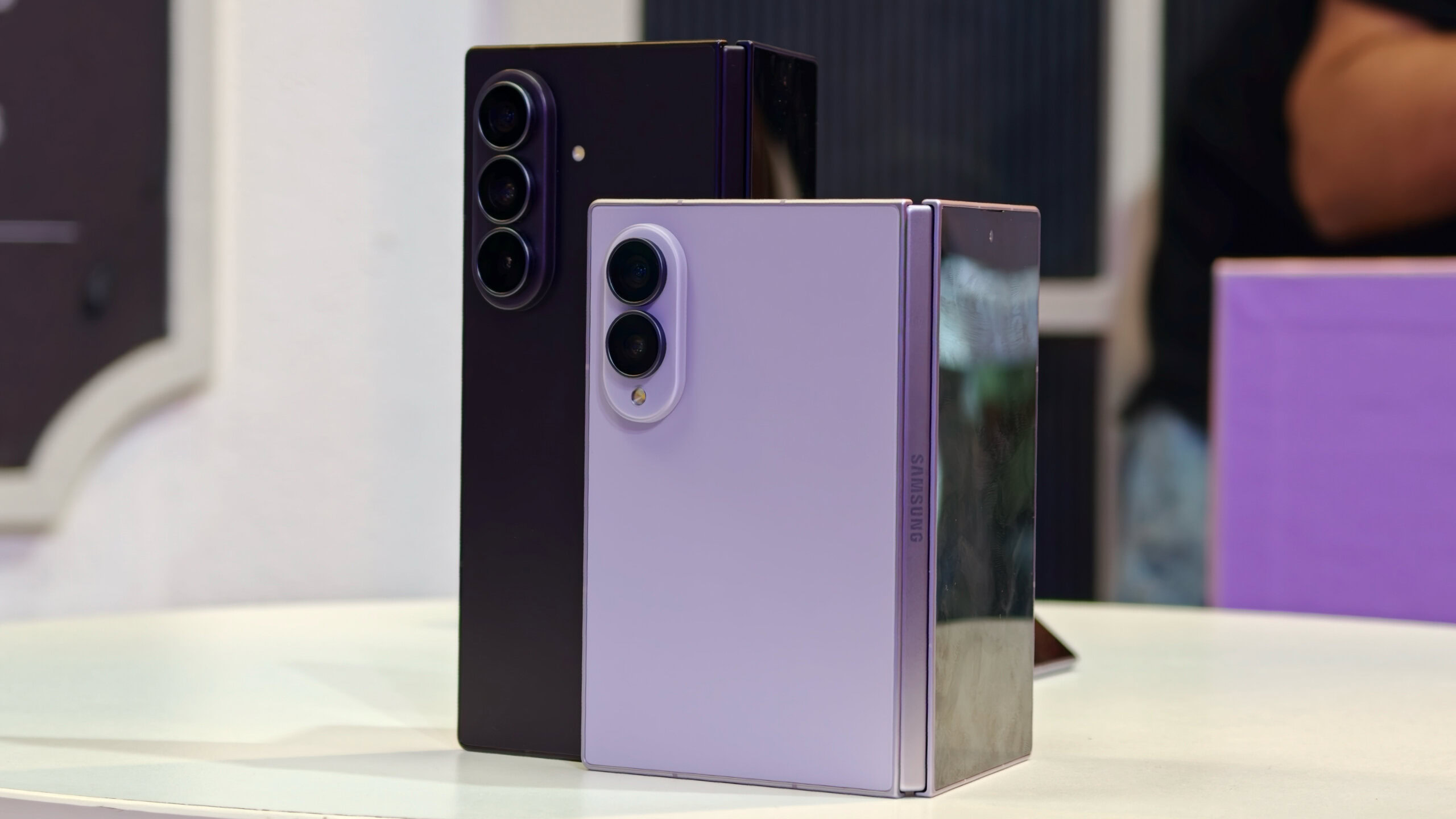
That means, for the first time, you can choose two very different book-style foldables from Samsung. You can either go with the new, wider Galaxy Z Fold 8 or stick with the familiar tall Fold design, now available in its most refined form as the Galaxy Z Fold 8 Ultra.
On paper, you’d assume that the Ultra model is the way to go. However, after spending some hands-on time with both devices, I’d argue otherwise. Here are five reasons why I’d rather buy the cheaper and less impressive Galaxy Z Fold 8 instead of the all-out Z Fold 8 Ultra.
First things first, there’s the price. The Galaxy Z Fold 8 starts at $1,900 in the U.S., while the Galaxy Z Fold 8 Ultra starts at $2,100. That’s a $200 gap between the two, and honestly, I don’t think there are enough differences to justify the extra cost.
You’re essentially getting the same core experience on both phones. Both are powered by the Snapdragon 8 Elite Gen 5 for Galaxy chipset, so you’re not sacrificing any performance by choosing the cheaper model.
Of course, the dimensions are different. The Galaxy Z Fold 8 is shorter and noticeably wider, while the Galaxy Z Fold 8 Ultra sticks with the taller Fold design we’ve become familiar with over the years. That said, both phones retain Samsung’s impressively slim design, and there’s only about a 0.4mm difference between them when unfolded. In person, that difference is barely noticeable.
There isn’t a huge difference elsewhere either. The Galaxy Z Fold 8 packs a 4,800mAh battery, while the Ultra bumps that up slightly to 5,000mAh. Both phones offer the same storage and RAM configurations, as well as identical 45W wired charging speeds.
All things considered, the Galaxy Z Fold 8 offers almost everything the Ultra does for $200 less. Plus, foldable phones are already incredibly expensive devices, so any savings are money earned.
If you care about how light a phone feels in the hand, you’ll want the Galaxy Z Fold 8 over the Galaxy Z Fold 8 Ultra. There’s a 14-gram difference between the two, with the Galaxy Z Fold 8 coming in at 201 grams and the Galaxy Z Fold 8 Ultra at 215 grams.
Now, 14 grams may not sound like much on paper, but with a foldable, especially when you’re using it unfolded for extended periods, even a small weight difference can become noticeable. It’s one of those specs that’s easy to overlook, but trust me, you’ll likely appreciate it every single day in the long run.
I actually switched to the iPhone Air as my secondary phone for exactly this reason. I simply wanted a lighter iPhone (all models are otherwise very bulky) to carry around, and it’s one of those things that’s hard to go back from once you get used to it.
Now, here’s the biggest reason I think the regular Galaxy Z Fold 8 is the more interesting device: its inner display. In my opinion, it offers a better foldable experience.
The Galaxy Z Fold 8 is shorter and much wider than the Galaxy Z Fold 8 Ultra. That means when you unfold both phones, the Galaxy Z Fold 8 feels much more like a compact tablet, whereas the Galaxy Z Fold 8 Ultra opens into a squarer canvas. And that wider display is simply better for things like gaming, reading, and especially watching videos.
The difference comes down to aspect ratio. Because the Galaxy Z Fold 8 unfolds into a wider, more traditional tablet shape, videos fill up much more of the screen, leaving only thin black bars along the top and bottom.
On the Galaxy Z Fold 8 Ultra, though, that squarish canvas works against it. Sure, the display looks big, but since most videos are shot in widescreen, they can’t fill that near-square screen properly, leaving you to stare at thick black bars eating up the top and bottom of the display.
It ends up making the “bigger” 8-inch screen feel smaller in actual use, defeating the whole point. If you’ve ever wanted a mini tablet that slips into your pocket, the Galaxy Z Fold 8 is the one that actually delivers that experience.
My colleague, Tushar Mehta, brilliantly explained how the two screens differ when playing videos of various aspect ratios on both phones. And as expected, the Galaxy Z Fold 8’s wider screen comes out on top.
While we’re on the topic of displays, it’s also worth noting that Samsung has extended its new Flex Titanium technology, the tech behind the improved hinge and the reduced crease on the Galaxy Z Fold 8 Ultra, to the standard Galaxy Z Fold 8 as well.
That means you’re essentially getting the same near-creaseless display on this $200 cheaper foldable that you would on the pricier Galaxy Z Fold 8 Ultra. It’s not like you’re missing out on that upgrade by going with the cheaper model.
Finally, some might argue that with the Galaxy Z Fold 8, you’re missing out on the triple camera system you’d get on the Ultra, and that the $200 gap is fairly small in the grand scheme of a phone this expensive. So you might as well pay a bit more and grab the model with the extra telephoto sensor, right? Well, not quite.
The thing is, you’re not really missing much by skipping the telephoto sensor on the Galaxy Z Fold 8. That telephoto on the Ultra is the exact same 10MP sensor with 3x optical zoom Samsung has been using since the Galaxy Z Fold 3, which launched half a decade ago.
And while I’m sure there have been improvements to the software and image processing over the years, the physical sensor itself is low-end enough that you’re not gaining any real upgrade by having it.
On top of that, the Galaxy Z Fold 8’s 50MP primary sensor can already crop in for a clean 2x zoom using sensor cropping, so you’re still (sort of) covered.
On the whole, it’s still too early to say the Galaxy Z Fold 8 is a better buy than the Galaxy Z Fold 8 Ultra outright. But there just aren’t enough meaningful upgrades on the Ultra to make me want to recommend it over the standard model. Had it brought features like S Pen support or native Qi2 wireless charging, I’d have recommended it in a heartbeat.
Instead, the Galaxy Z Fold 8 is the newer, wider, and more interesting form factor. As I said, you’re essentially getting a better foldable screen for less money, which makes it a compelling buy. As always, we’ll be diving much deeper into both phones over the coming days, so stay tuned for our full reviews.
Thank you for being part of our community. Read our Comment Policy before posting.