Good morning. Today I’m watching yet another Fire Emblem: Fortune’s Weave review (watch this for context), getting started on my Booker Prize shortlist read-through, and reading as much as I can about Ella Langley’s “Choosin’ Texas” now that it’s the longest-running #1 hit of all time.
Inbox is written by Daniel Bader. Read previous issues here, and then catch up with Ben Schoon’s excellent Weekender column published every Sunday.
Meta may no longer be a metaverse company, but it’s trying its damndest to be a hardware company. At last night’s Meta Connect event, the company unveiled a bunch of new AI wearables, including the third-generation Ray-Ban Meta camera glasses, the camera-free Ray-Ban Meta Audio glasses, a wider rollout of its Meta Ray-Ban Display glasses, and a next-gen VR product called, appropriately, Meta VR Glasses, coming in the spring of 2027.
All of these are interesting in their own way, particularly the VR Glasses, which are basically Galaxy XR/Vision Pro competitors in a much smaller form factor and considerably lower cost ($1,299). Meta’s found considerable traction with its bevy of wearables despite growing pushback from privacy advocates and regular people who don’t want to be filmed with “perv glasses.” The audio-only product, which boasts Dolby Atmos support, is a direct response to that, but the company is still iterating on the baseline camera hardware while promising software updates will prevent misuse.
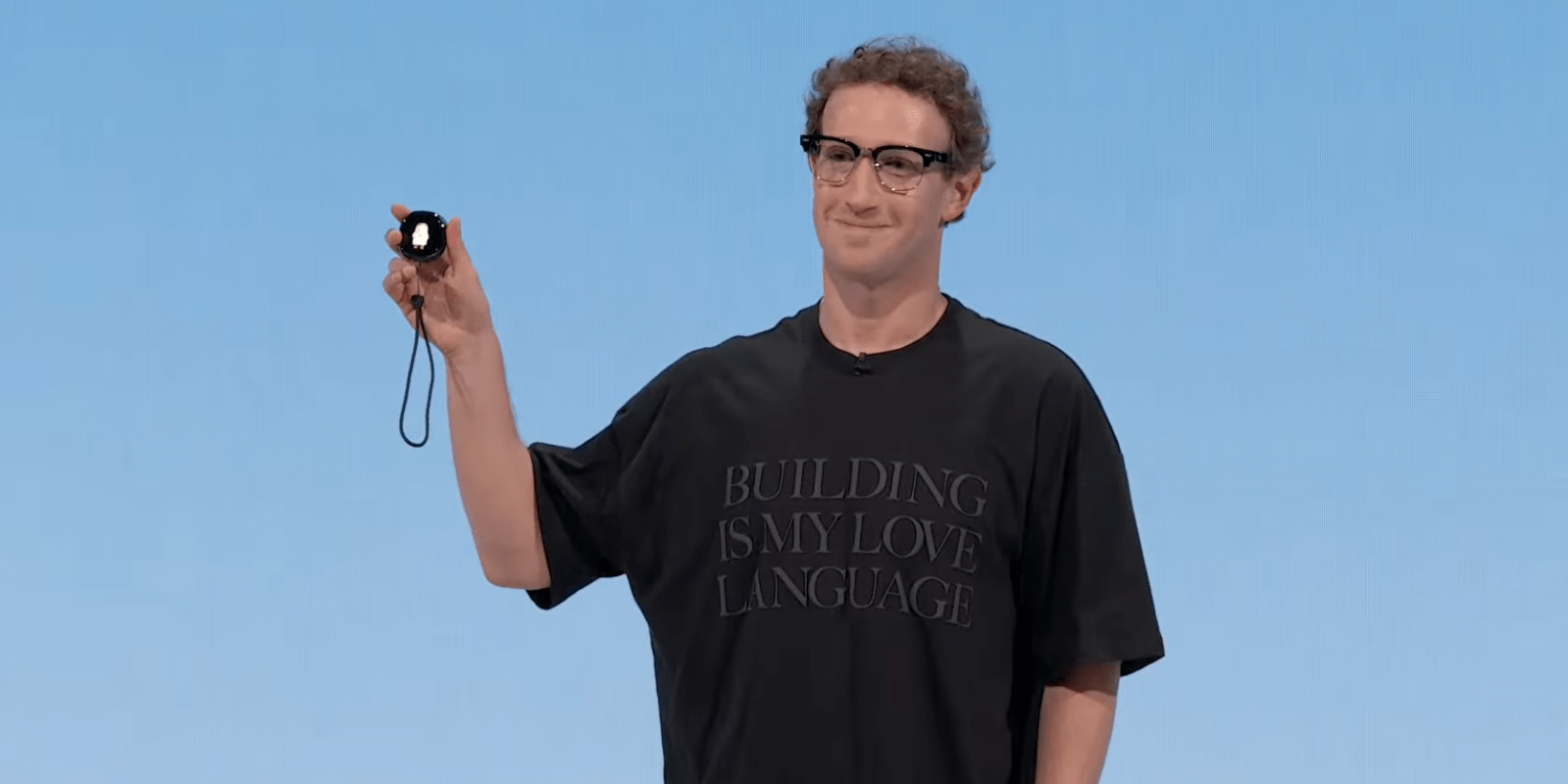
But the really interesting announcement came in the form of a Tamagotchi-like doohickey called the Muse Charm that runs Meta’s popular new Muse AI agent, which has seen massive growth as an app on Android, iOS, and Mac. The hardware has a 2-inch OLED touch display, a camera and microphones, a 5G modem, and runs a proprietary OS that Meta says will connect to retailers like Walmart and Best Buy.
AI agents are no longer novel — I’ve been testing them all summer in the form of apps like Poke, Tolan, Instinct, Town, and others — but Muse has taken off because it’s free, fast, and genuinely useful. Meta is also building it into everything it owns, from Instagram to WhatsApp, and is soon adding the ability to chat with an agent through video.
At the beginning of 2024, we had a few months of hand-wringing over AI gadgets like the Rabbit R1 and Humane AI Pin, but they failed because the models were not even close to being ready for the tasks promised in the marketing. Now, AI agents are more than capable of chasing down a refund, booking a concert, or buying an anniversary gift, and Meta’s preemptive jump into the space will only heighten expectations for OpenAI’s rumored hardware product that’s expected to debut in 2027.
I regret to inform you, though: I think the Museagotchi looks pretty damn cute.
I’m going to do a bit of shameless self-promotion today and share a few cool things that the 9to5 video team has been working on.
Our Googlebook hands-on video is close to 500k views, and for good reason: Jordan absolutely crushes it with his deep dive into the highs, lows, and oddities of Google’s latest hardware launch.
Damien does a spectacular job detailing life with Google’s $899 Pixel 11, noting that “there is a good phone underneath the price hikes,” but that $100 bump really overshadows the battery and camera improvements.
Finally, I was back on The Sideload with my buddy, Will Sattelberg, where we had the privilege of talking to Kevin Michaluk and Jeff Gadway of Clicks, which is about to release its long-awaited Communicator smartphone this December. It was a really fun conversation that gets a bit philosophical about why we use technology and what it really means to disconnect in today’s world.
And if you missed my Cc: questions with Kevin from Tuesday’s Inbox edition, you can catch up with them here.
Disney+ is raising its prices for the fourth time in four years. The popular Disney+ Premium plan with no ads now runs $21.49, a 13% bump over yesterday’s price.
Just this year, Netflix, Peacock, Amazon Prime Video, Apple TV, YouTube Premium, and Paramount Plus got more expensive, and it seems that every streamer is making their ad-free tier as unenticing as possible to lure people back to ads.
I’m pretty close to canceling Netflix — my kids watch a fair amount of its fare — but I happily canceled Disney+ the last time prices went up, and I wouldn’t be surprised if a few thousand subscribers did the same just now.
With FAST services like Pluto TV, Tubi, The Roku Channel, Freevee, and many more offering a decent assortment of free content in exchange for a network television-level of ad density, it really does seem like all roads do eventually lead to cable.
Like what you just read? Subscribe to Inbox today and get it in your email every Tuesday and Thursday morning. Got feedback? Send us an email.
You can also support us by becoming a 9to5Google Pro member, starting at just $5/month. You get bonus podcast episodes, access to our members-only Discord server, and lots more.
Thanks for reading, and have a great day. Talk to you on Tuesday.
FTC: We use income earning auto affiliate links. More.
Check out 9to5Google on YouTube for more news:
Daniel is a writer, editor, podcaster and analyst covering the big stories, small milestones, and amazing people behind tech’s biggest moments. He was previously editor-in-chief of MobileSyrup, Android Central, and Android Police, and has been a content director of tech publications since 2010.