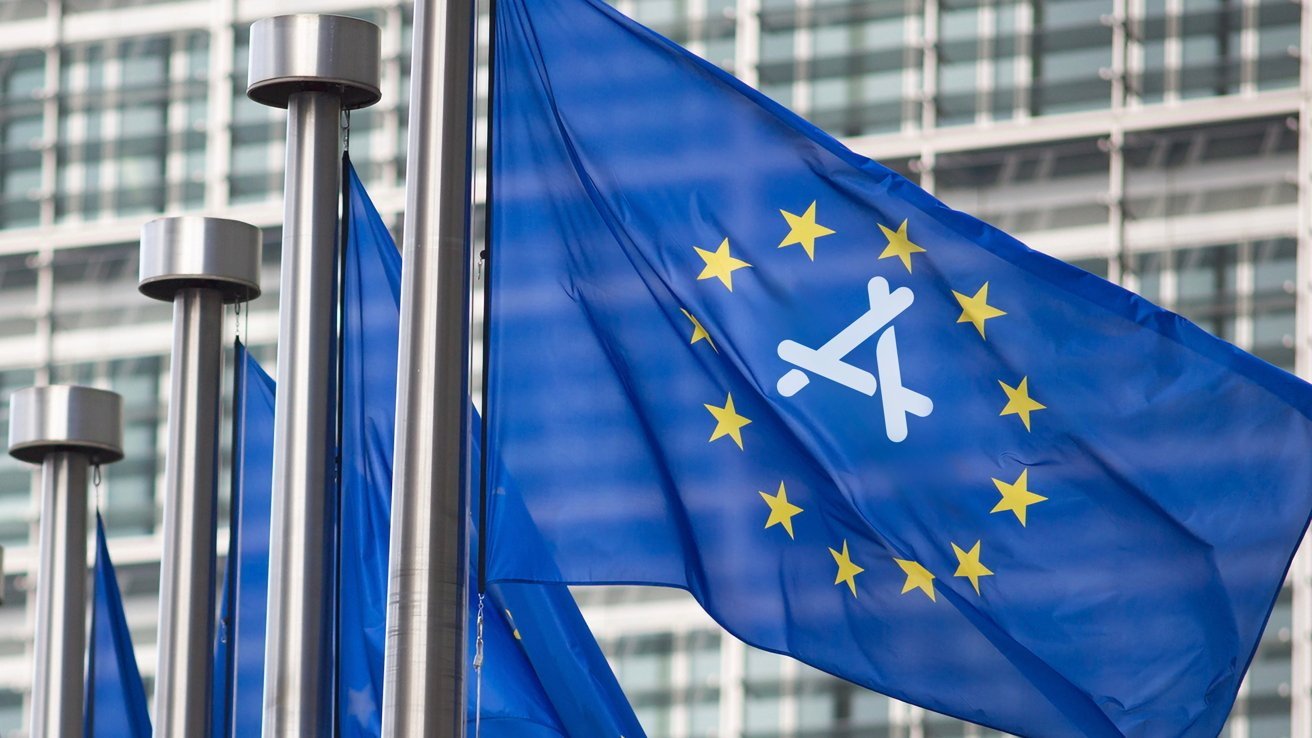
On Tuesday, after much back-and-forth with the European Union, Apple has rolled out new and simpler terms and fee structures for developers that distribute in the area.
The terms are greatly simplified. Core technology fees are mostly exterminated, replaced by percentages. For App Store apps using Apple In-App Purchase, the new commission will be 26 percent. For the vast majority of developers, including auto-renewing subscriptions after their first year, that fee is now 15 percent.
For App Store apps using alternative payment processing, the commission is be 20 percent.
For App Store apps that link out of the app to for external payments outside of the App Store, the commission has dropped to 15 percent. Special programs like the App Store Small Business Program, Mini Apps Partner Program, or Video Partner Program lower this to 10%
For apps distributed via alternative app marketplaces or the web, Apple will charge a 5 percent Core Technology Commission.
There are some child safety protections for developers using alternative payments. Apps in the kids category can't include links to websites to complete transactions, for example.
If the user is under 18, all apps that use alternative payment processing must include a parental gate to link out to a website. And users under 13 apps from the App Store cannot link out to websites.
There are also extensions to the eligibility requirements. Most of the hard limits on finances are gone, replaced by audits. Only one of the five below are required.
And, Apple is making it clear that it is not responsible for what happens if a user downloads and app from a "bad actor."
The fight between Apple and the European Union has gone on for years. Rumblings of new rules in the form of the Digital Markets Act and the Digital Services Act surfaced long before their introduction in 2022.
Naturally, Apple wasn't happy with them and how it would affect how it promoted its own apps, as well as potentially allowing more digital stores to exist. This also included threats against the fees charged in the App Store by Apple.
Eventually, not long after coming into force, Apple saw the writing on the wall and prepared to accept alternate app stores and other changes were needed to keep up with the new regulations.
The anti-steering rules were a particular problem for Apple, since it would miss out on its 30% fee. This became a 27% Core Technology Fee, which, after pushback, became multiple smaller fees.
The EU didn't take too kindly to the "effort," leading Apple to propose even more changes or face more fines.