
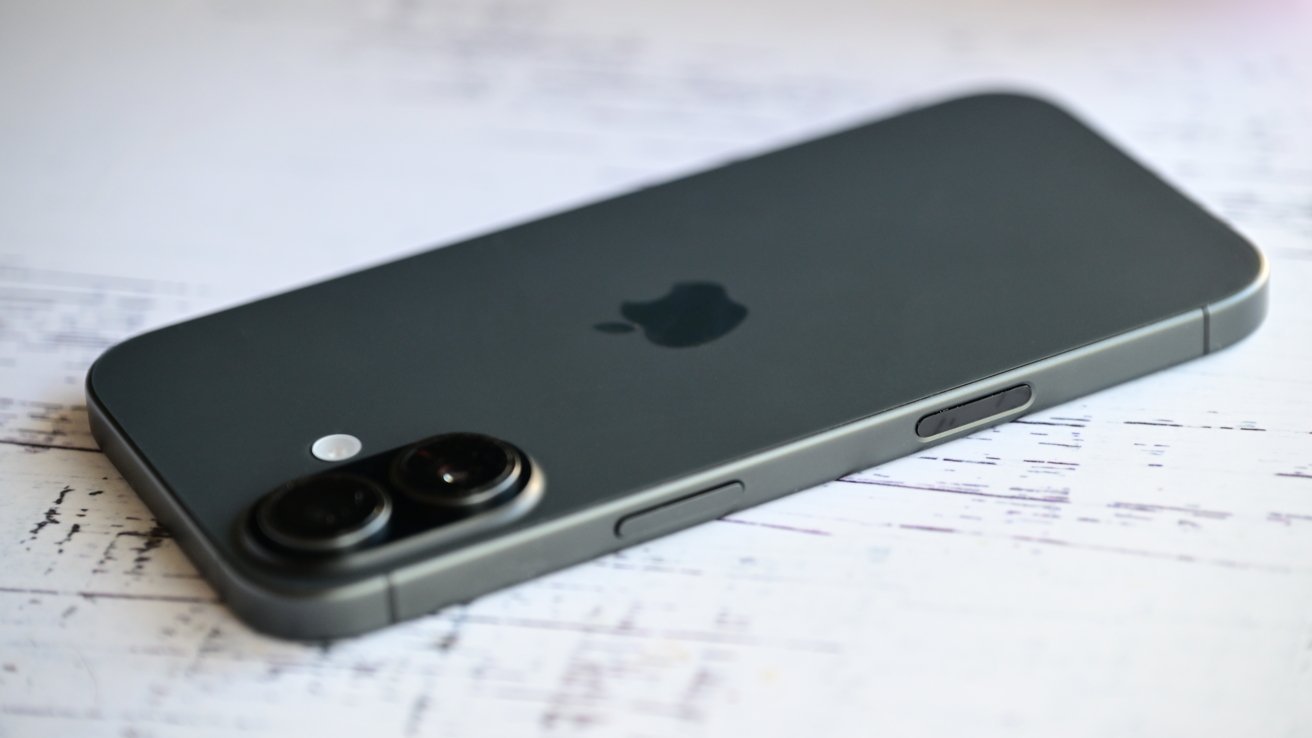
Apple's base model iPhone 18 is probably not going to arrive until spring 2027, but the rumor mill already has a lot to say about the device. Here's what you need to know.
September marks the arrival of new-and-improved iPhone models, from the standard variant to the high-end Pro and Pro Max. Though the premium models always get the latest features, even the base model gets some well deserved attention now and then.
With the iPhone 17 range, the standard iPhone received a larger 6.3-inch display with ProMotion and an 18MP Center Stage camera. The typical performance improvements and new color options aside, though, the phone is effectively identical to its predecessor.
Apple's base model iPhone 18 range is expected to deliver more of the same, that being incremental hardware upgrades rather than a complete visual overhaul. However, the phone's release date is expected to be much later than the usual September iPhone event.
Multiple sources have said the iPhone 18 would, instead, arrive in the spring of 2027. It's even been said that the standard iPhone 18 will offer hardware that more closely resembles the iPhone 18e, especially in terms of performance.
As for how much of a downgrade we can expect with the iPhone 18, and why it will arrive in early 2027, leakers and analysts alike have outlined their reasoning.
Apple's budget-oriented "e" models, like the iPhone 17e, typically launch after the standard and high-end iPhones. With the iPhone 18 lineup, however, Apple might shake things up once again.
Multiple sources have claimed the iPhone 18 would arrive in early 2027 rather than late 2026.
According to a May 2025 rumor citing anonymous Apple supply chain sources, the base model iPhone 18 will be released in early 2027. The same publication reiterated this claim in December 2025.
Other sources have said the same thing as well. For instance, a known Weibo leaker chimed in in July 2025, also alleging that a 2027 debut was in store for the standard iPhone 18. Subsequent reporting from August 202 and November 2025 echoed the launch date rumors as well.
In January 2026, another report offered an idea as to why the release date had allegedly shifted. Supposedly, ensuring "supply chain smoothness" was a key goal behind the decision, but "the marketing strategy change also played a part in the decision [to split the launch]."
That's allegedly according to an unnamed iPhone supply chain executive. Another report, this time from March 2026, also argued that the base iPhone 18 would arrive in early 2027.
In May 2026, one leaker strangely claimed that Apple had moved the iPhone 18 launch date to 2027 because it wants to "extend the market buzz of the previous generation," meaning the iPhone 17. They also called the move a "very clever market adjustment mechanism" that might help Apple "wipe out Android."
All in all, the rumor mill thinks the base model iPhone 18 will arrive in early 2027, with only the "Pro" models launching in September 2026. There have been no claims about a September 2026 debut for the base model iPhone 18.
In terms of design, the standard iPhone 18 will likely bear a significant resemblance to its iPhone 17 counterpart. Per a January 2026 rumor, the iPhone 18 will keep the current 6.27-inch display size, meaning the phone itself won't be any larger or smaller than the preceding model.
Images allegedly showing a smaller Dynamic Island. Image Credit: Early Apple Leaks/Ice Universe
That number will almost certainly be rounded to 6.3 inches. As for the display itself, the iPhone 18 is expected to use a 120Hz OLED panel with ProMotion support, but the Dynamic Island could undergo a small change.
Though it was previously alleged that only the iPhone 18 Pro would receive a redesigned Dynamic Island, a March 2026 rumor said the change was coming to the base iPhone 18 as well. According to a leaker with a mixed track record, "the Dynamic Island has been made smaller."
However, they also said that the "bezel design is identical to that of the iPhone 17 series," which means we won't see any additional visible changes. Alleged images of the smaller Dynamic Island were posted, though their authenticity has not been confirmed by reliable sources.
According to an earlier May 2024 rumor, though, non-Pro models of the iPhone may not gain an under-screen Face ID feature until the iPhone 19, arriving in late 2027 or early 2028. It appears unlikely that the Dynamic Island will shrink on the standard iPhone 18.
So far, only one source has claimed the base model iPhone 18 is getting a redesigned Dynamic Island, and it doesn't look like anything else will change, either. Back in February 2026, it was said that the iPhone 18 Pro design would echo that of the iPhone 17 Pro, and a May 2026 case leak suggests the standard iPhone 18 won't look all that different, either.
In November 2025, though, one rumor said that the iPhone 18 Pro would feature a more uniform appearance, relative to its predecessor, thanks to a change in the processing of the rear glass. Two months earlier, however, a Weibo rumor oddly claimed that the iPhone 18 Pro would feature a "slightly transparent" back glass panel.
While the backplate claims only concern the iPhone 18 Pro, Apple may also alter the back glass of the base model iPhone 18. If anything, we'll likely see a minute color adjustment to the backplate rather than fully transparent or translucent back glass.
It's certainly possible that Apple tested multiple back glass variants, which would explain the varying rumors, but judging by the lack of recent backplate-related rumors, it's unlikely we'll see a drastic change with the standard iPhone 18.
An April 2026 rumor said Apple was "focusing mainly on updated color options" rather than significant design changes for the iPhone 18 range.
The Dynamic Island isn't the only thing that might change on the iPhone 18 either. On the right side of the phone, just below the side button, the iPhone 18 might offer a somewhat simplified version of the Camera Control.
The standard iPhone 18 might feature a simplified Camera Control and Samsung-made image sensors.
An August 2025 report suggested Apple aimed to save on production costs. Supposedly, the Camera Control was not as popular as the company expected it to be. Some have even said the button is going away altogether as a result.