Affiliate links on Android Authority may earn us a commission. Learn more.
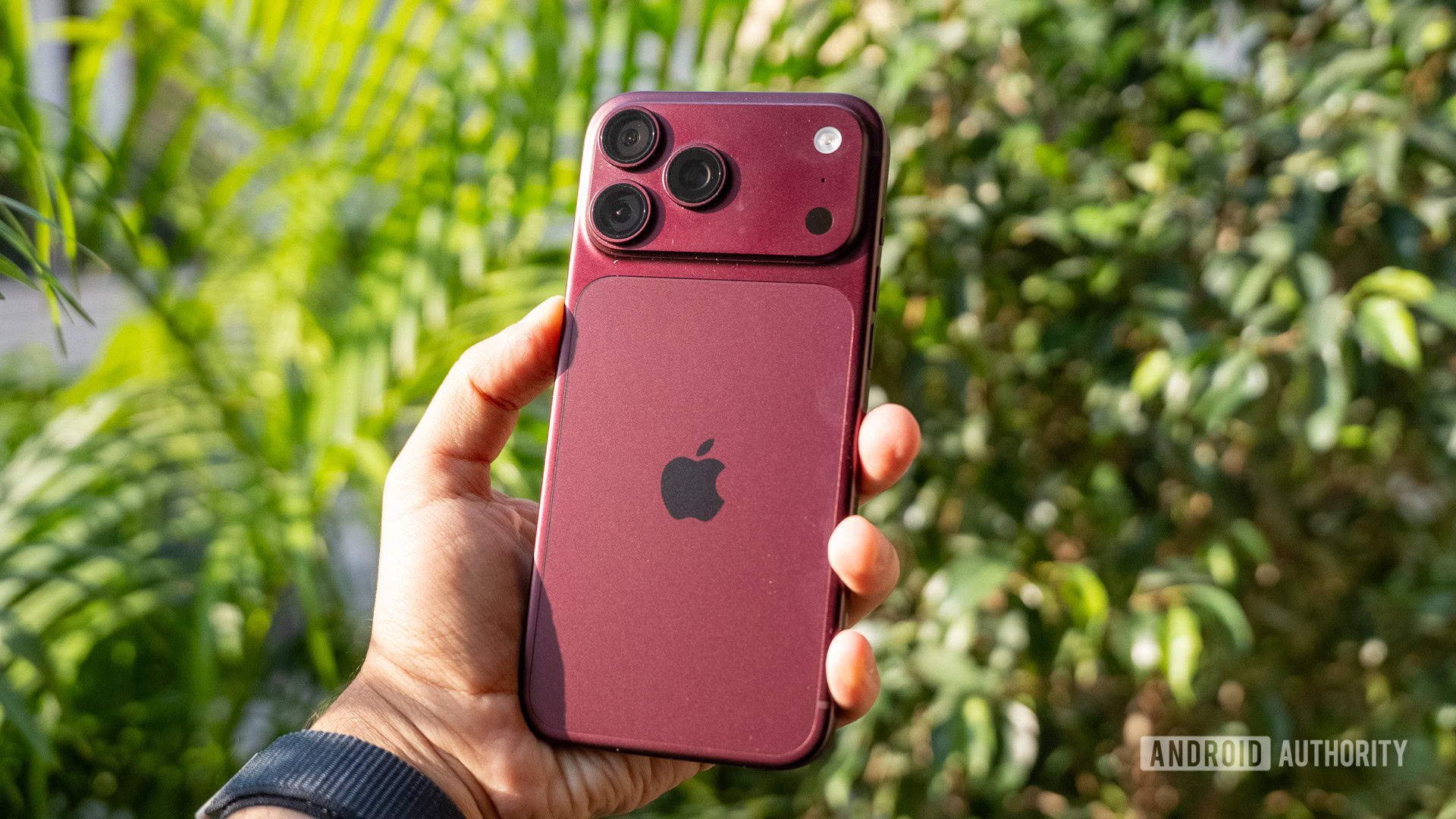
Android and iOS couldn’t be more different, and I was reminded of that the moment I switched from my Pixel 11 Pro XL to the iPhone 18 Pro. I’d spent so much time on Android that I had almost forgotten how different things work on an iPhone. And believe me, the first day was quite an adjustment. I kept trying to swipe back from the right edge of the screen, only to remember that iOS doesn’t support Android’s universal back gesture.
Of course, I knew switching to an iPhone would mean giving up some of the things I’d grown accustomed to on Android. But that didn’t mean I had to leave every familiar habit behind. So, before I could properly settle into using the iPhone 18 Pro, I started exploring its settings to see how much of my Android experience I could bring over. A few changes later, my iPhone started feeling much more familiar, and these settings made the biggest difference.
The first thing I did after setting up my iPhone 18 Pro was to enable RCS messaging. Most of my conversations happen through the Messages app, and since quite a few of my friends use Android phones, I didn’t want texting them to feel like a downgrade. With regular SMS, you miss things I’ve grown used to on Android, like read receipts, typing indicators, and sharing high-quality photos and videos.
iPhones now support RCS, which makes texting Android users much better. This makes switching between Android and iPhone feel less inconvenient, especially since I message throughout the day. If you want to enable RCS on your iPhone, here’s how:
And that’s all it takes. It might seem like a small change, but it made texting my Android friends feel just as familiar as it did on my Pixel, which was exactly what I wanted.
Next, I wanted my iPhone notifications to feel a little more like Android. By default, iOS groups notifications into a stack, which looks neat, but I’ve never really been a fan. After spending so much time with Android’s notification shade, where I can quickly scroll through my alerts and see what’s happening, having everything piled on top of each other felt a little strange.
Thankfully, Apple lets you change how notifications appear on your lock screen, and switching to the List view made things feel much more familiar. Here’s how you can do it, too:
And that’s all there is to it. Your notifications will now appear in a list on the Lock Screen, making it easier to scroll through them without expanding a stack first. It doesn’t completely recreate Android’s notification shade, but it’s much closer to what I’m used to, and that’s good enough for me.
Another thing I wanted to sort out was the default apps on my iPhone. One thing I love about Android is being able to choose which apps I want to use for pretty much everything. And while Apple has its own apps for browsing, emailing, and other tasks, I didn’t necessarily want to start using all of them just because I’d switched to an iPhone.
For instance, I’ve used Chrome as my primary browser and Gmail for emails for years, so switching to Safari and Apple Mail would just mean getting used to another set of apps. Thankfully, iOS lets you change several default apps, which means I could bring some of my familiar Android setup straight to my iPhone 18 Pro. I replaced Safari with Chrome, switched from Apple Mail to Gmail, and explored the other options to see what else I could customize.
Once I’d made these changes, I no longer had to think about which app would open whenever I tapped a link or an email address. My iPhone started using the apps I was already comfortable with, which made the transition from Android much easier.
One feature I didn’t want to leave behind on my Pixel 11 Pro XL was the 80% charging limit. I’ve been using it for quite some time now, mainly because I want to keep my phone’s battery in good shape for as long as possible. I don’t always need a full charge to get through the day, so limiting it to 80% feels like a reasonable trade-off if it helps reduce battery wear in the long run.
Apple offers a similar feature on the iPhone 18 Pro, so I didn’t have to change my charging habits after switching. In fact, setting it up was just as easy as it was on my Pixel. Here’s how you can enable it:
And that’s all there is to it. Your iPhone will now generally stop charging at 80%, although it may occasionally charge to 100% to maintain accurate battery-level estimates. Keeping the limit at 80% can help reduce battery wear over time, especially if you tend to leave your phone plugged in for long periods.
Finally, I wanted the Always-On Display on my iPhone 18 Pro to look a little more like the one on my Pixel 11 Pro XL. I’ve always preferred Google’s approach to the Always-On Display: a clean, black background with only the essential information visible. Apple’s version, on the other hand, feels a little too busy for my liking, especially with the wallpaper and notifications showing up even when the phone is locked.
Thankfully, I didn’t have to live with that. Apple lets you customize what appears on the Always-On Display, and turning off just two options made a big difference. Here’s how you can do the same:
My iPhone 18 Pro now has a much cleaner, mostly black Always-On Display, with the clock and other essential information still visible. It’s much closer to the minimal look I loved on my Pixel, and my wallpaper no longer lights up the screen every time I glance at my phone.
These changes helped me feel more at home on my iPhone 18 Pro. Now, you might be wondering why I’d switch to an iPhone only to make it behave more like an Android phone. Fair question. I really wanted to experience what Apple has to offer without giving up everything I’ve grown accustomed to over the years.
I’m still exploring iOS and getting used to how things work differently, which is part of the fun of testing a new phone. At the same time, I don’t see why I should force myself to change habits that already work perfectly well for me, especially when Apple lets me keep them.
So, if you’re considering moving from Android to iPhone, I’d recommend trying these changes. They won’t solve every frustration or make iOS behave exactly like Android, but they’ll certainly make those first few days feel less unfamiliar. Switching phones should be about enjoying something new, not constantly wishing you still had your old one.