Affiliate links on Android Authority may earn us a commission. Learn more.
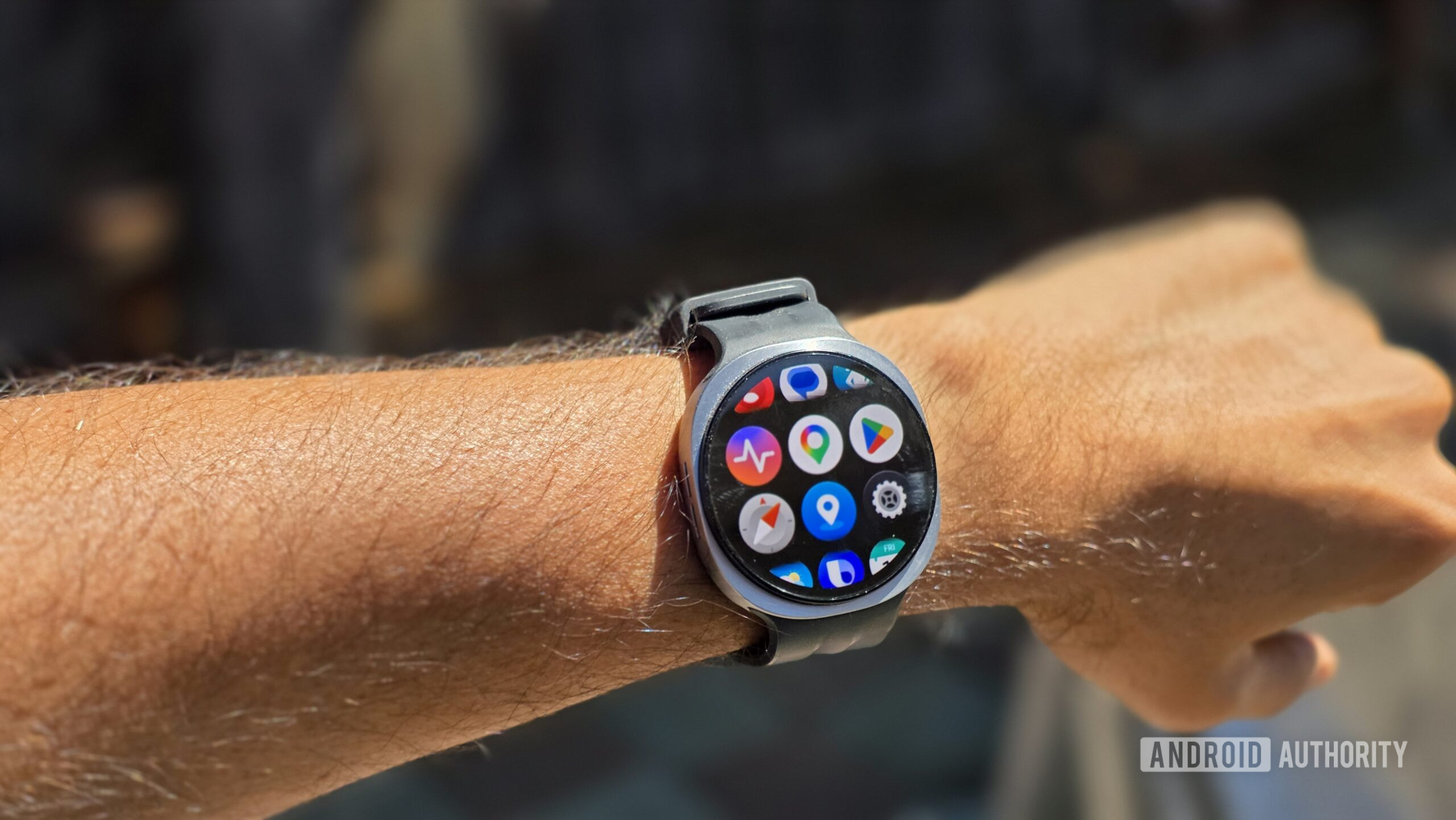
When the Samsung Galaxy Watch 9 was first announced, one of the features that excited me most was the larger battery. I actually upgraded to a 44mm model, so I was expecting a significant improvement in battery life compared to my 40mm Watch 8. However, in practice, I found that it lasted roughly the same amount of time.
Even so, I don’t have to charge it daily, and that’s thanks to a handful of tweaks that get me two days instead. These tweaks balance usability with battery saving so that you don’t give up too many features in the quest to extend battery life.
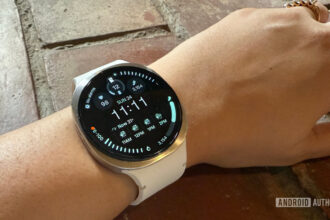
When you set up the Galaxy Watch 9, the Always On Display (AOD) is enabled by default. However, this is by far the most battery-hungry feature. When I have it enabled, my watch needs to be charged daily. So if you’re like me and prefer to keep charging limited, this is the first setting you should change.
The difference in your battery life is apparent. After enabling the Always On Display for less than 30 minutes, it had already consumed 0.9% of my battery. Meanwhile, Samsung Health, which had been running for nearly 22 hours since the last charge, had only used 4.3% of my battery.
To disable the feature using your watch, swipe down and tap the watch icon.
You can also disable it in your Galaxy Wearable app:
There are other ways to improve the battery life on your watch, but just disabling this feature will give you the largest gains.
The display is the biggest drain on your Watch 9’s battery, but background activity adds up too. That’s why I limit which apps I receive notifications from on my watch — it prevents my screen from waking unnecessarily, my watch doesn’t have to trigger vibrations as much, and it means I have fewer apps syncing in the background. I also only show notifications when my phone is not in use.
The app notifications you want to enable will depend on which apps you prioritize the most. I only want to see notifications from Slack, WhatsApp, Samsung Health, Google Calendar, and Google Messages. I’ve disabled everything else. I also make sure to manage notifications within each app so that I only receive alerts from certain channels or people, rather than large groups.
To manage the notifications you receive on your Watch 9:
Under the Notifications panel, you can also select Show phone notifications on watch > Show alerts when not in use to only receive notifications when you’re not using your phone.
Even if you’re not using an app, it might still contribute to battery drain on your watch. I noticed this with an app I used to download Galaxy Watch 9 faces, even though I didn’t have a face from the app currently installed.
This is where the Galaxy Wearable’s Battery menu comes in handy. It lets you check which apps have used up battery power since your last charge. I recommend checking this tab to see if you have any unused apps draining your battery in the background.
You can access this menu in Galaxy Wearable using the following steps:
Here you can check which apps are the biggest culprits when it comes to battery drain.
While you may be tempted to load your watch face with as much data as possible, along with animated visuals, doing so can drain more battery power. In fact, if you’re downloading a third-party watch face from the Google Play Store, the storefront now flags watch face apps that drain battery.
On third-party watch face storefronts like Facer, you will also see the impact a specific face has on battery life. Faces that sync a significant amount of data or that include animated visuals are usually the ones that impact battery life the most. Meanwhile, simple watch faces with few complications impact battery life the least.
Unfortunately, native Galaxy Watch faces don’t show details of the battery consumption of a specific watch face. In my own experience, switching from a Photos watch face to one that features Live wallpapers consumed more battery life. My Photos wallpaper consumed 0.6% of my watch’s battery life over 41 hours. The live wallpapers watch face consumed the same amount in 10 minutes after switching through five wallpapers.
Even if you use a relatively static watch face, using a darker background also improves battery life. I tested this with my Photos watch face, switching from a light photo of my cats to a darker one featuring my black cat. I made the change after seeing the suggestion in the Galaxy Wearable app when choosing a watch face.
After switching to the darker background, I noticed that this added around four to five hours extra to my watch’s battery life. I also have Adaptive Brightness turned on so that my watch adjusts to the environment. While Adaptive Brightness didn’t make a massive difference on its own, it’s the type of tweak that you implement with other changes. These changes then add up and can add a considerable amount to your watch’s battery life.
Raise wrist to wake is another feature that drains battery life, but its effect will depend on how much you use the feature. When I disabled it, I got around another three hours of battery life. However, it was also an annoying change to make because it was so different from how I was used to using my watch.
I would recommend this change for people who don’t mind tapping their smartwatch to see notifications, or people who find that they accidentally trigger the feature fairly often. When I made all of these tweaks to my Galaxy Watch, I added an extra day to its battery life without sacrificing the health features that are important to me.
A few other tricks that improve battery life include:
However, you’ll need to decide which features you’re willing to part with. I currently use heart rate monitoring every 10 minutes over continuous monitoring, but I keep blood oxygen and skin temperature detection enabled because I need them for the Vitals feature. Without the auto detection of workouts, I’d also forget to track my exercise completely. The best battery-saving tweaks for you will depend on what you use your watch for.