Affiliate links on Android Authority may earn us a commission. Learn more.
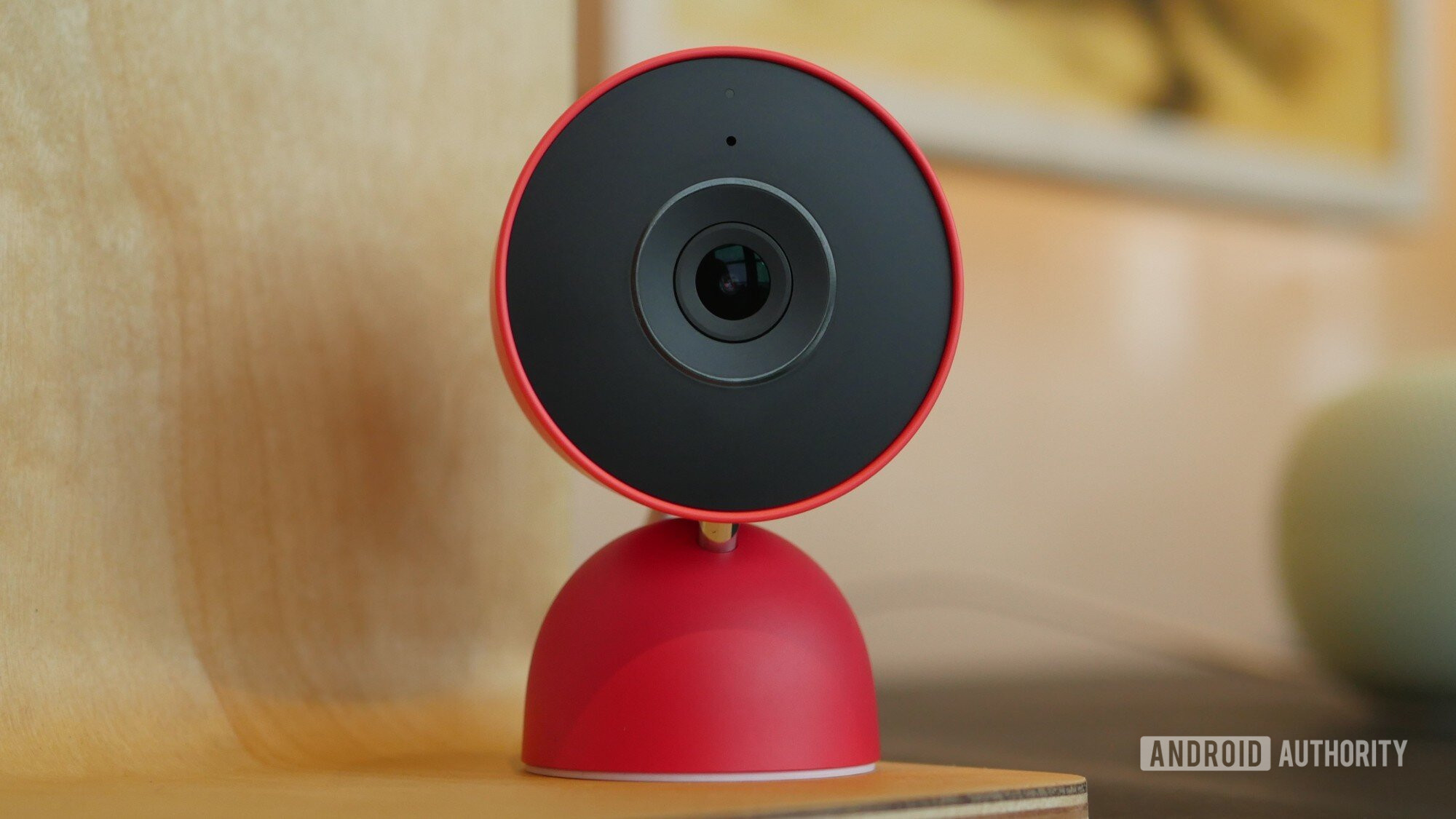
Google is bringing a number of useful upgrades to Google Home cameras with its latest update.
The biggest change is that Google Home cameras can now listen for sounds instead of relying exclusively on what they see. Motion-triggered camera and doorbell event descriptions can now include detected audio like a dog barking, glass breaking, footsteps, and sirens.
Google is also bringing this audio information into Ask Home, letting you to search through your camera history with natural-language questions. For example, you could ask when glass broke in your hallway and use the resulting description to find the relevant recording.
You’ll need a compatible Nest camera or doorbell with its microphone and audio recording enabled to use this feature. You’ll also require a Google Home Premium Advanced subscription. Audio is incorporated into descriptions when an eligible recorded camera event is triggered, rather than being treated as a standalone event. Google’s support page also lists the feature as available in select countries.
Elsewhere, Google is working to make its Activity Zones more reliable. These are the areas you can mark within a camera’s field of view to decide which activity should trigger alerts. The company says it has improved boundary precision on its newest wired cameras to help reduce false notifications caused by passing cars, animals, or movement just outside a selected zone.
The camera settings page has also been redesigned to make Activity Zones easier to find.
Finally, reviewing camera history on a computer should be a little less cumbersome now. Google Home for Web now supports keyboard shortcuts for navigating recorded footage. While watching a recording at home.google.com, you can press the Left or Right arrow keys to jump backward or forward in five-second increments. Repeated presses let you skip 30 seconds or more, with a visual overlay showing where you’ve moved in the recording.
The company has also revealed several upgrades for Nest Thermostats, including new Dynamic Farsight options, estimated energy-savings information, and expanded support for third-party Matter temperature sensors.