
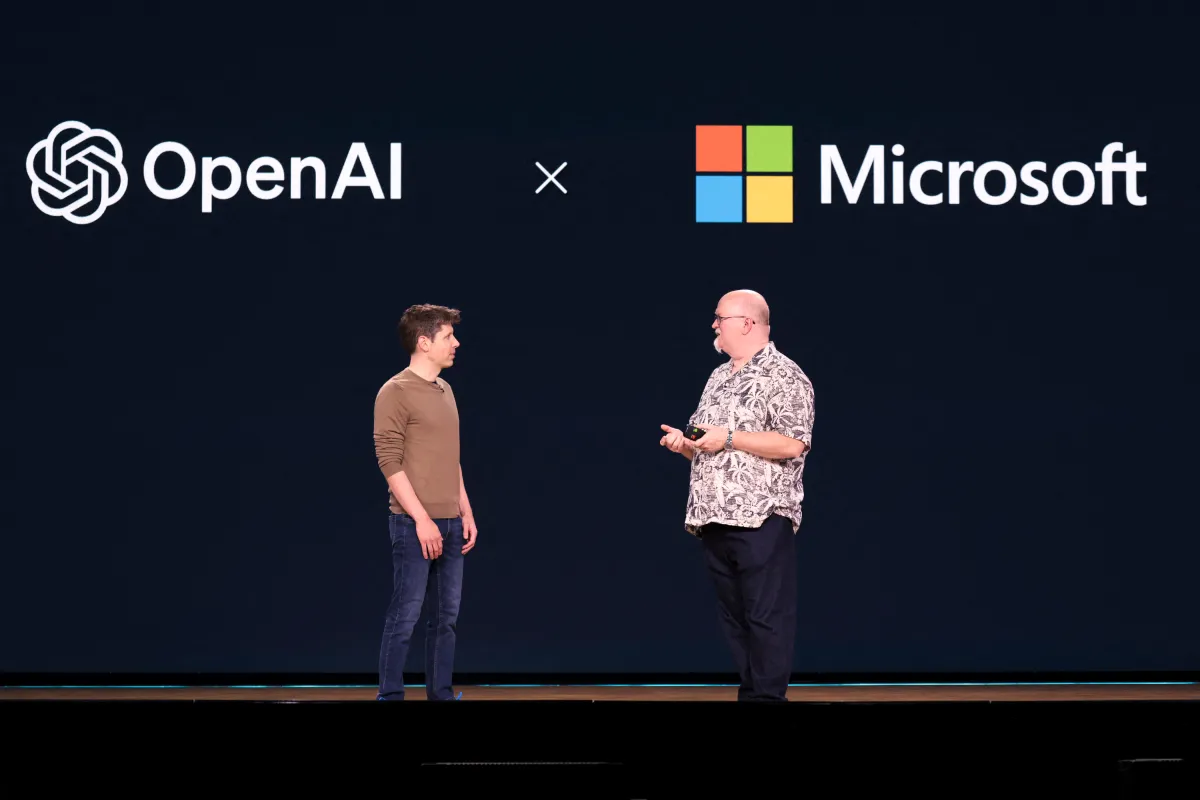
Microsoft generated $10 billion in revenue from commercial arrangements with OpenAI, including revenue-sharing payments, in the quarter ended September 30, the company said in a regulatory filing on Wednesday. That represents nearly 11% of Microsoft’s total quarterly revenue of $92.3 billion, highlighting the enormous financial ties that remain between the two companies even as they increasingly compete for the same customers.
(Microsoft’s financial year begins in July, making the quarter ended September 30, 2026 the first quarter of its fiscal 2027.)
For the full 2026 fiscal year, revenue from OpenAI hit $24.1 billion. At its latest quarterly pace, Microsoft would pull in $40 billion annually from OpenAI-related arrangements.
Microsoft also reported $7.2 billion in outstanding receivables from OpenAI at the end of September, up from $6 billion at the end of June. That money represents amounts OpenAI owes for previous transactions, not additional revenue.
It’s not clear how much of Microsoft’s revenue from OpenAI came from revenue-sharing payments or Azure cloud computing services. TechCrunch has reached out for more information. In November 2025, TechCrunch reported, citing leaked documents, that Microsoft had received $865.8 million in net revenue-sharing payments from OpenAI during the first nine months of that year.
OpenAI reportedly shares 20% of its revenue with Microsoft as part of a previous deal in which the software giant invested more than $13 billion in the AI startup. (Neither the AI lab nor Microsoft have publicly confirmed this percentage.) As part of an April 2026 agreement, OpenAI is on the hook to continue sharing revenue with Microsoft through 2030, subject to a cap, even as OpenAI is allowed to work with competing cloud providers.
The companies began loosening the ties of their once-exclusive partnership in October 2025, when Microsoft relinquished its hold on OpenAI to give the startup more freedom to partner with other cloud providers. In exchange, OpenAI committed to buying an additional $250 billion in Azure services as part of an October 2025 agreement.
Microsoft’s ownership stake in OpenAI has also declined slightly from about 25% in June to 24% in September. That continues a gradual decline from roughly 27% following the October 2025 recapitalization. Microsoft did not specify what caused the dilution.
When you purchase through links in our articles, we may earn a small commission. This doesn’t affect our editorial independence.
Rebecca Bellan is a senior reporter at TechCrunch where she covers the business, policy, and emerging trends shaping artificial intelligence. Her work has also appeared in Forbes, Bloomberg, The Atlantic, The Daily Beast, and other publications.
You can contact or verify outreach from Rebecca by emailing [email protected] or via encrypted message at rebeccabellan.491 on Signal.
Buy One Pass, Get a Second FreeCover more ground at TechCrunch’s ultimate founder bootcamp of the year by bringing your co-founder or partner for freeBook before the BOGO deal expires
VCs will make billions on Anthropic’s IPO, but Amazon is set to make much (much) more
Billionaire Palmer Luckey isn’t leaving California over the wealth tax
Microsoft offers buyouts to around 60,000 employees
Grok releases the first seven minutes of its AI-generated ‘Odyssey’
The AI graveyard: a running list of projects and startups that didn’t make it
Hottest toy for Christmas? Nvidia CEO plays with adorable Microduck robots, 20,000 sell
Warhound raises $200M to engineer war dogs and arm them with Anduril gear