
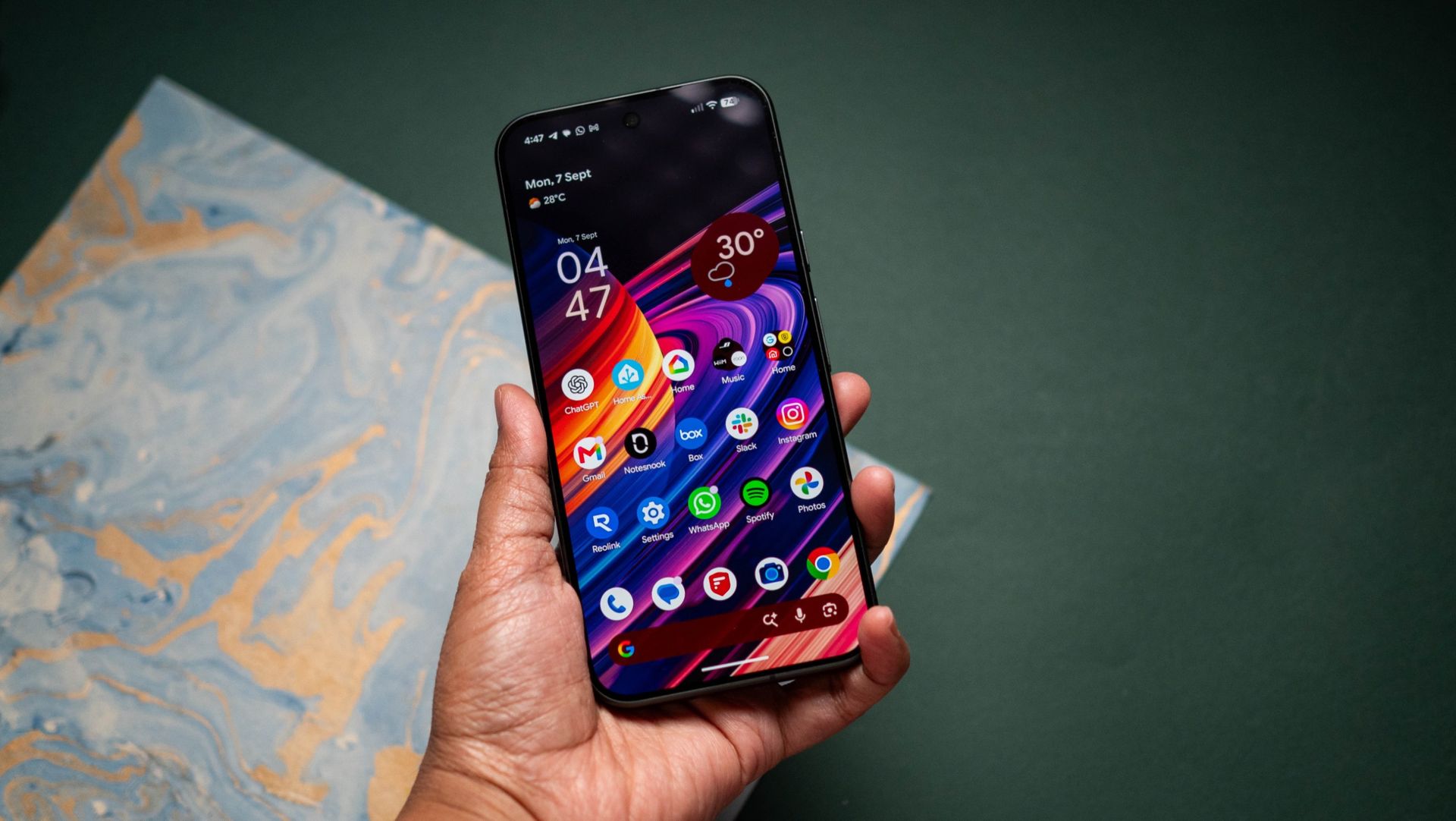
It’s been a month of using the Pixel 11 Pro XL as my daily driver, and I generally like what Google did with the device this year. There are some frustrations (just like with every phone I test), but as a whole, the Pixel 11 Pro XL is better than its predecessors, and while I don’t necessarily like Google’s aggressive stance on AI, all of these features are easy enough to ignore.
Instead of a traditional long-term review, I wanted to highlight five things that stood out the most in the month I used the Pixel 11 Pro XL, so let’s get started.
The Pixel 11 Pro XL can take a beating
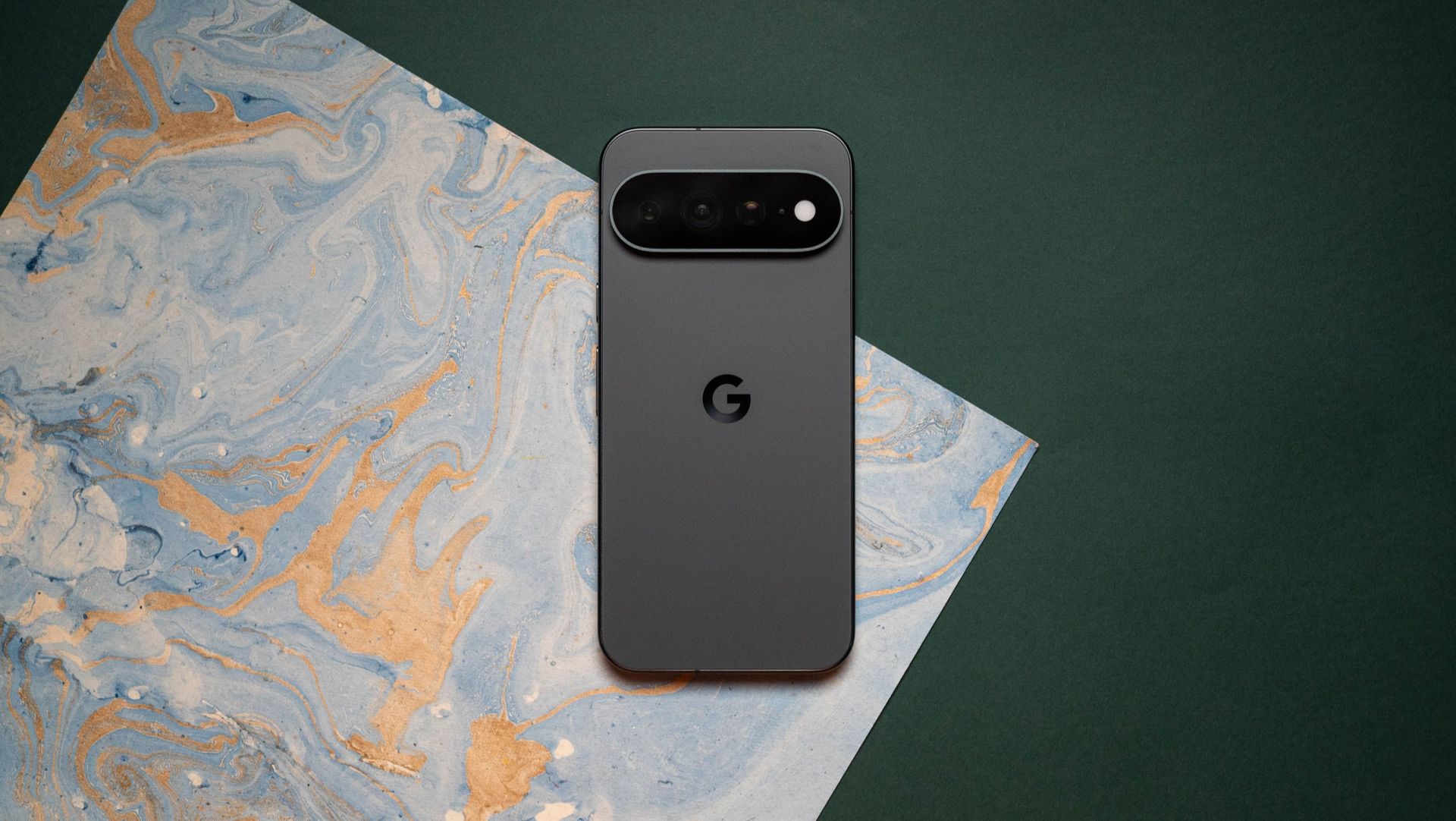
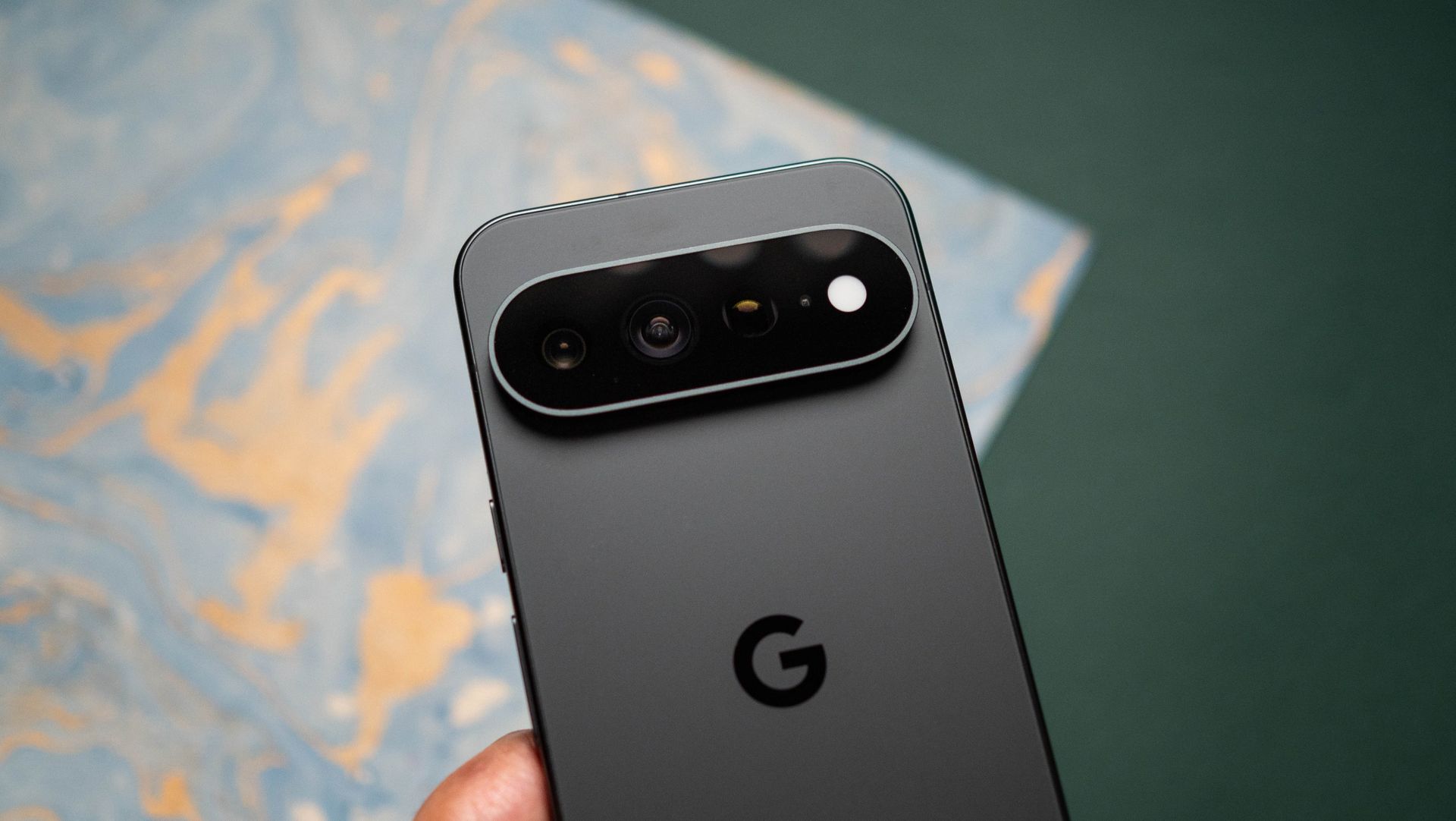
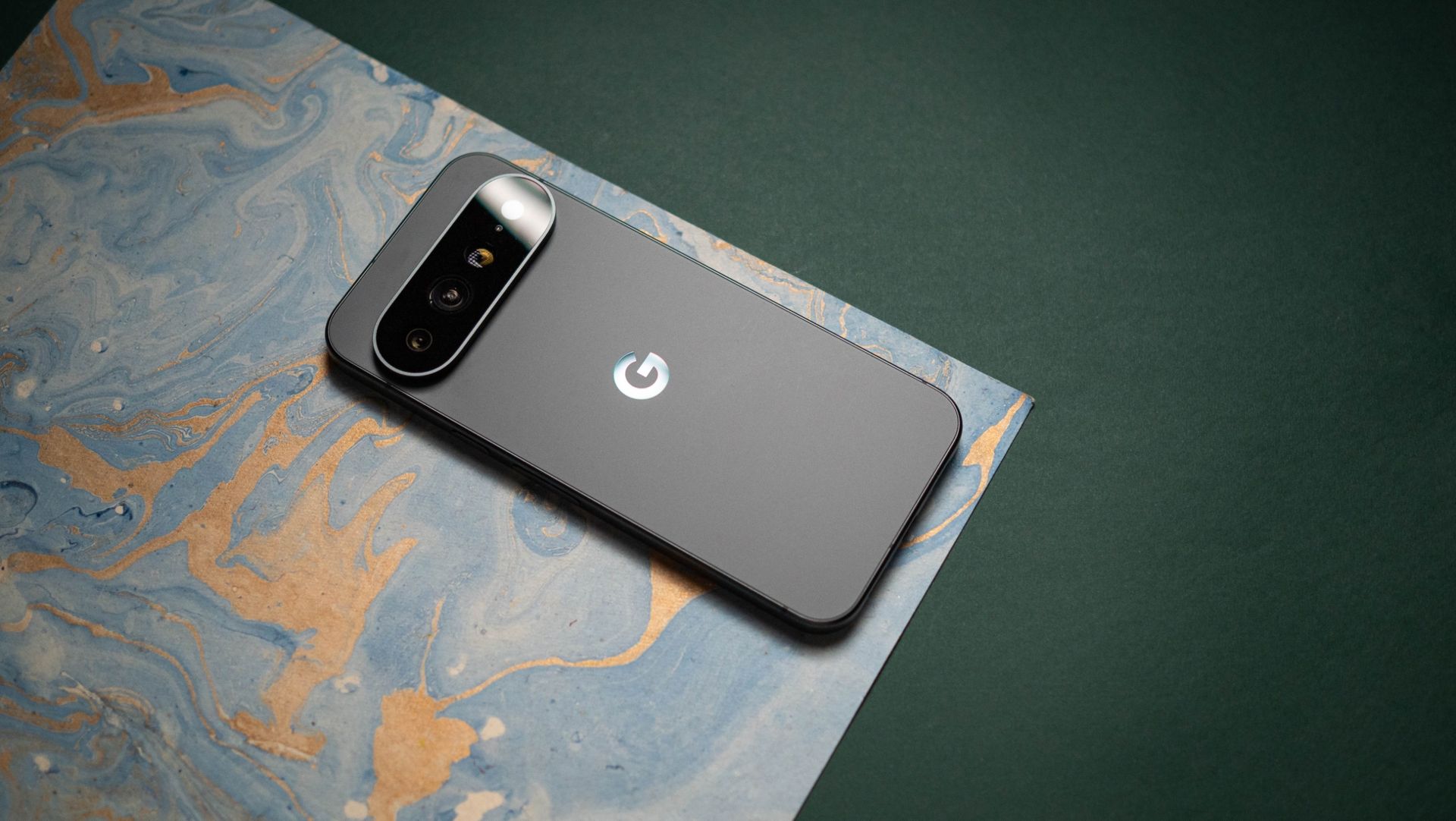
The Pixel 11 Pro XL doesn’t look too different to the 10 Pro XL, and I don’t mind that one bit. The design is visually distinctive, and I like how clean and minimal the camera visor looks this year. The Obsidian model doesn’t have much flair (you’ll need to buy the Canyon instead), but the all-matte texture feels great to hold and use.
The positioning of the camera bar means there’s no wobble at all when using the phone on a table — this is diametrically opposite to Samsung’s Galaxy S26 Ultra, which wobbles if you look at it. It is on the heavier side at 226g, but the weight is balanced well, and at no point did I feel that it was unwieldy to use.
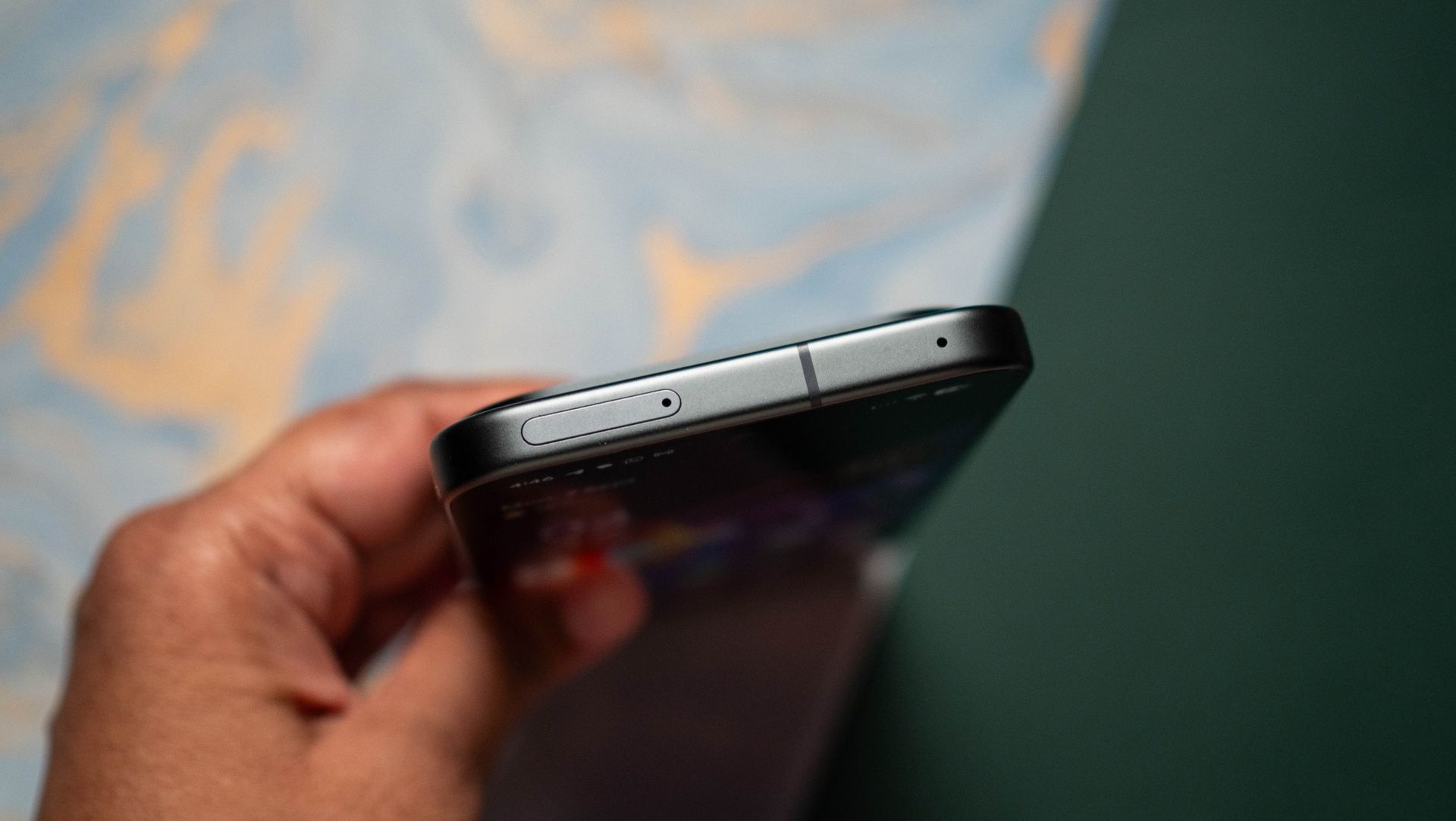
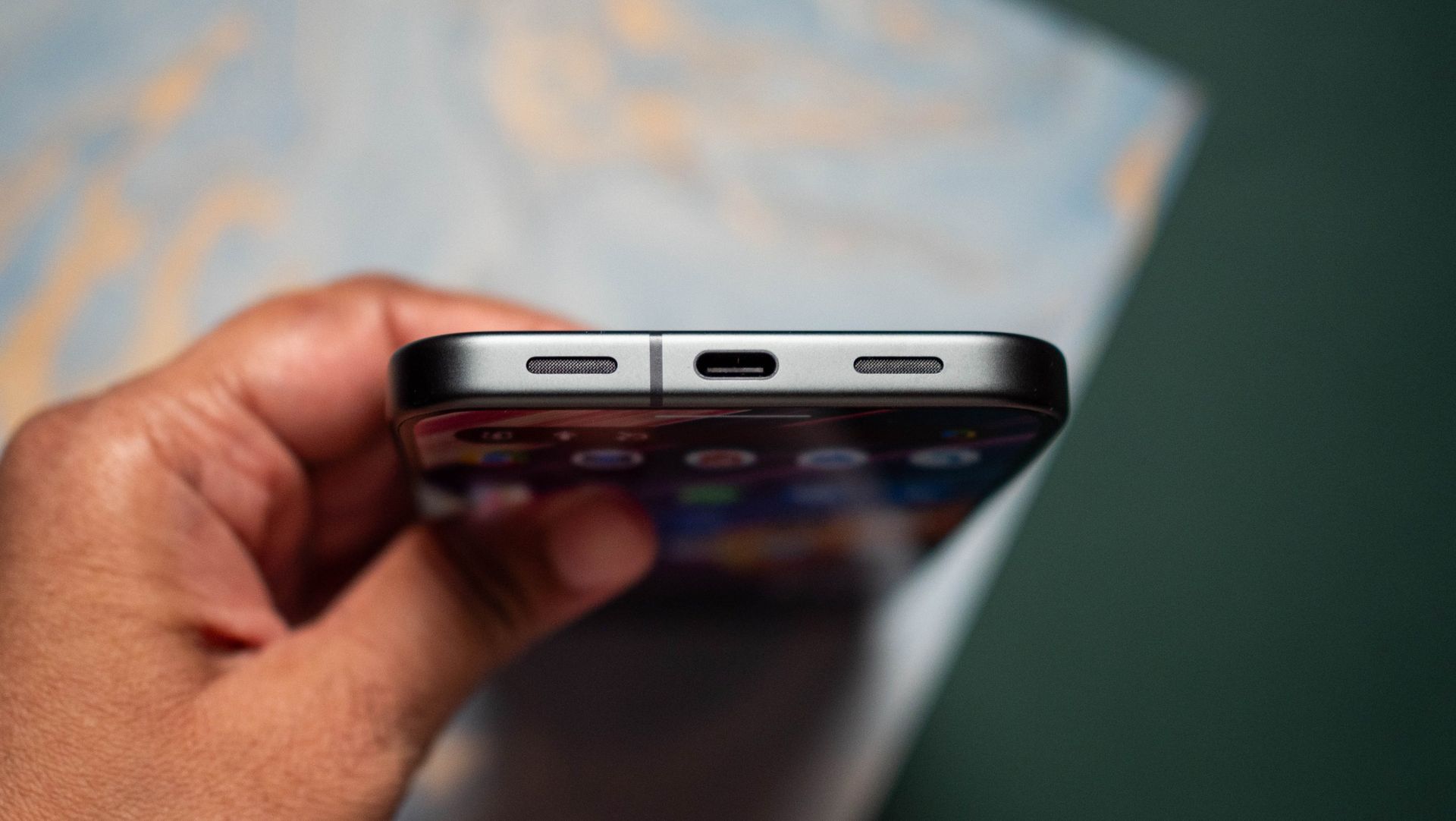
I’m pleased to report that the phone has proven durability. The Pixel 11 Pro XL took over a dozen tumbles in the month I used it, and while there is some visible damage on the sides, it is all around the mid-frame, and the glass panels at the front and rear are unharmed. There was one notable instance where it skid face-down on a tiled floor; it just slid out of my hand, and my rescue attempt ended up with me kicking it across the room. Anyway, outside of minor scratching on one edge of the screen, the panel held up admirably.
It’s good to see that Google actually paid quite a bit of attention to build quality, as the Pixel 11 Pro XL is designed to last a better part of a decade. I had issues with the fit and finish of older Pixels, but that thankfully hasn’t been the case in the last two years, so it looks like Google finally has a handle on this.
The cameras are good — if not the best you’ll find
I went to an Apple briefing to go hands-on with the iPhone Duo, and normally, I use whatever phone I’m daily driving to take product photos. In this scenario, it was the Pixel 11 Pro XL, and after taking two photos, I realized I made a mistake.
It took significantly more effort to shoot with the Pixel 11 Pro XL, and I wasn’t satisfied with the resultant imagery — so much so that I regretted not bringing the Find X9 Ultra at least a half-dozen times. This isn’t to say that the cameras are bad on the Pixel 11 Pro XL; if anything, the phone does a better job than previous years. I got plenty of great shots out of the camera over the last month, but it isn’t well-suited to take product photos in questionable lighting.
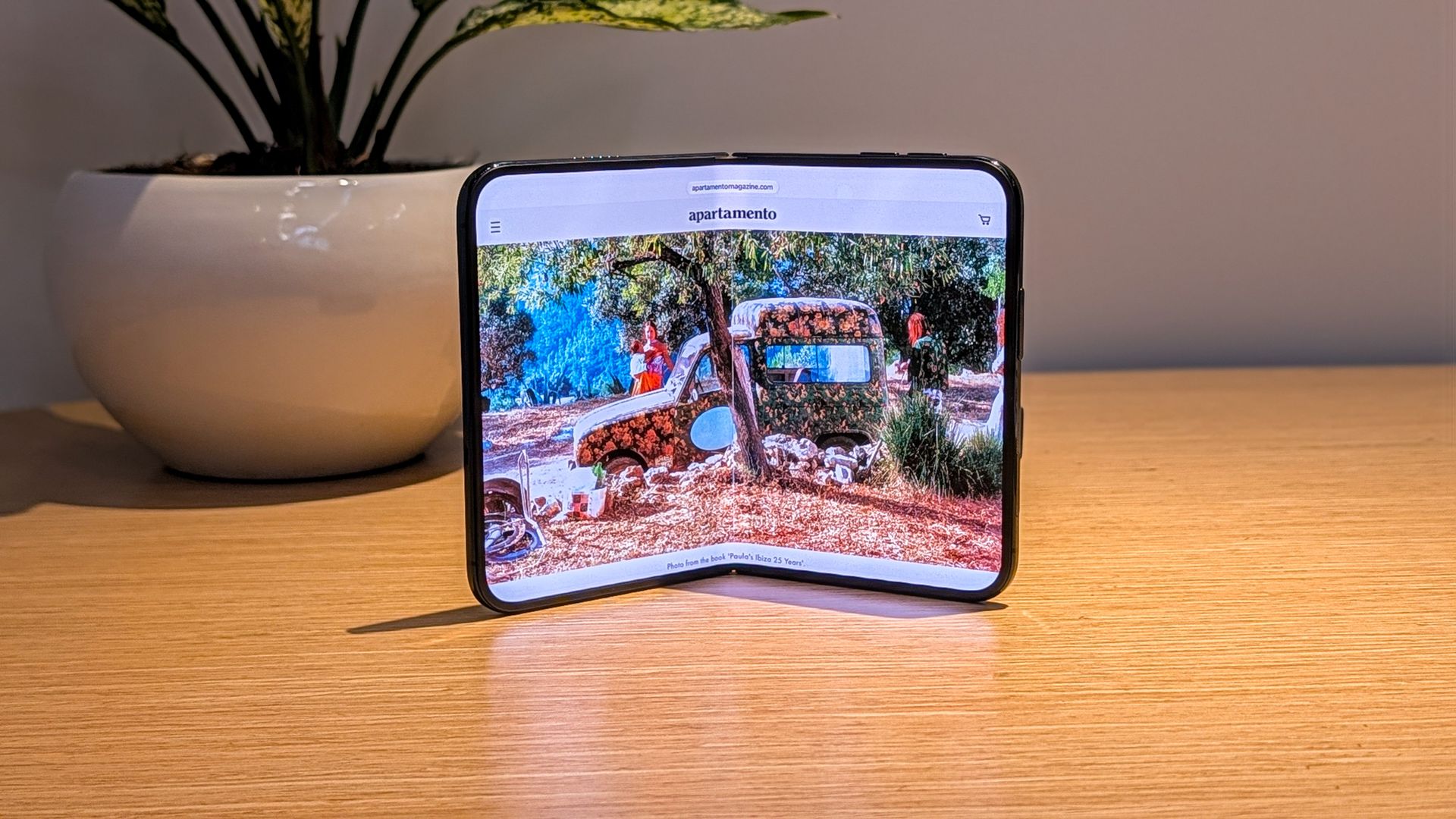
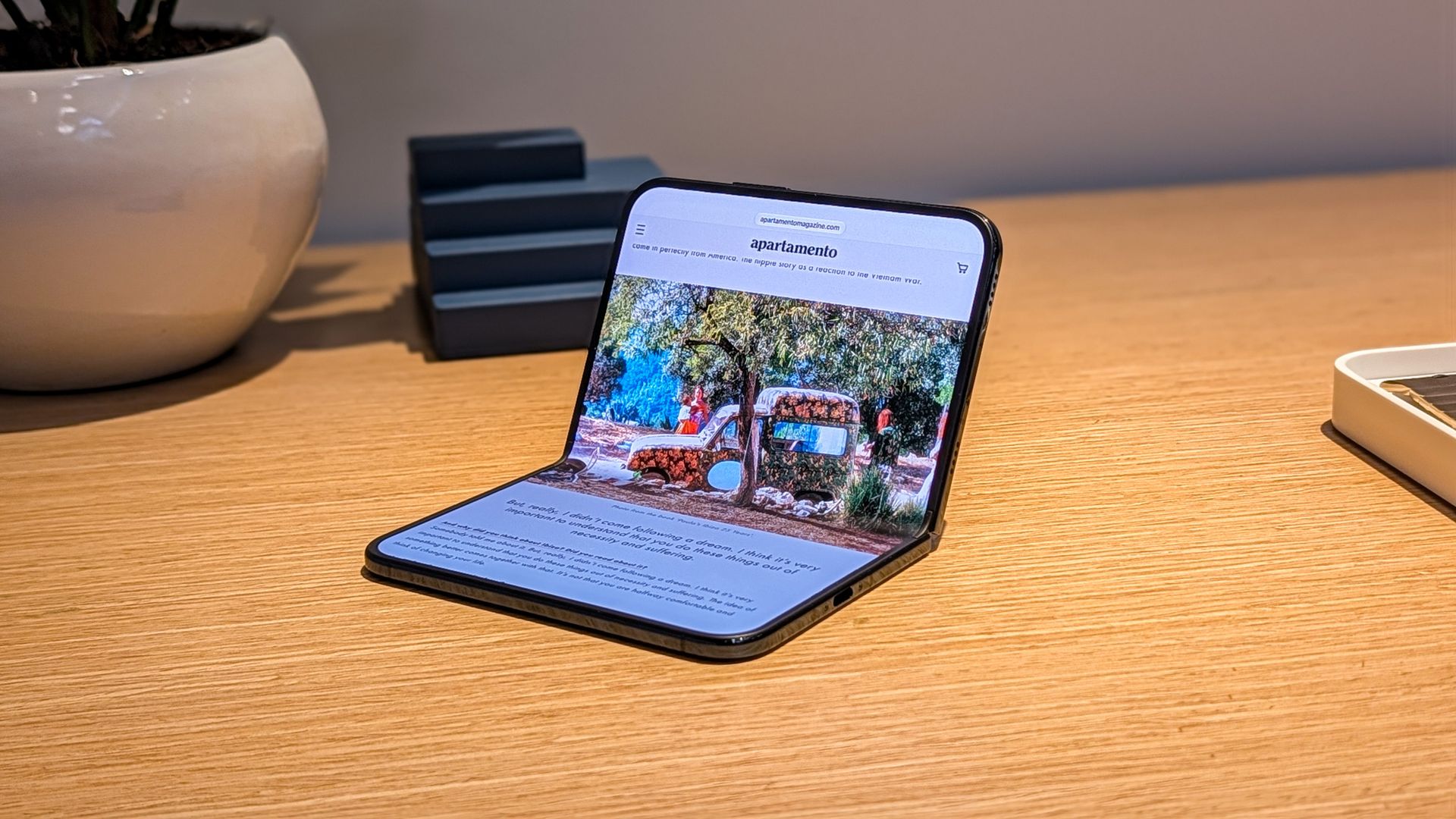
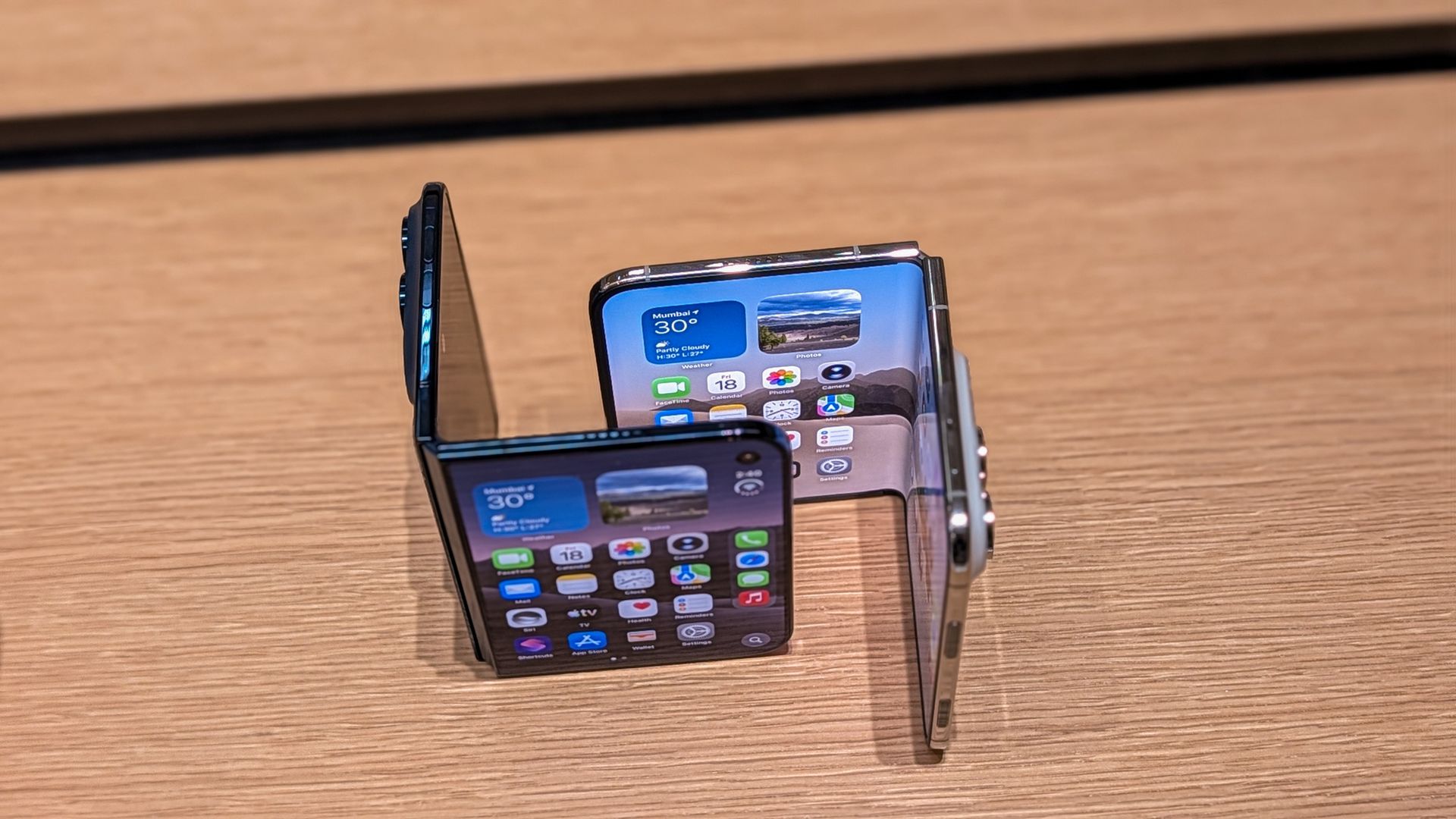
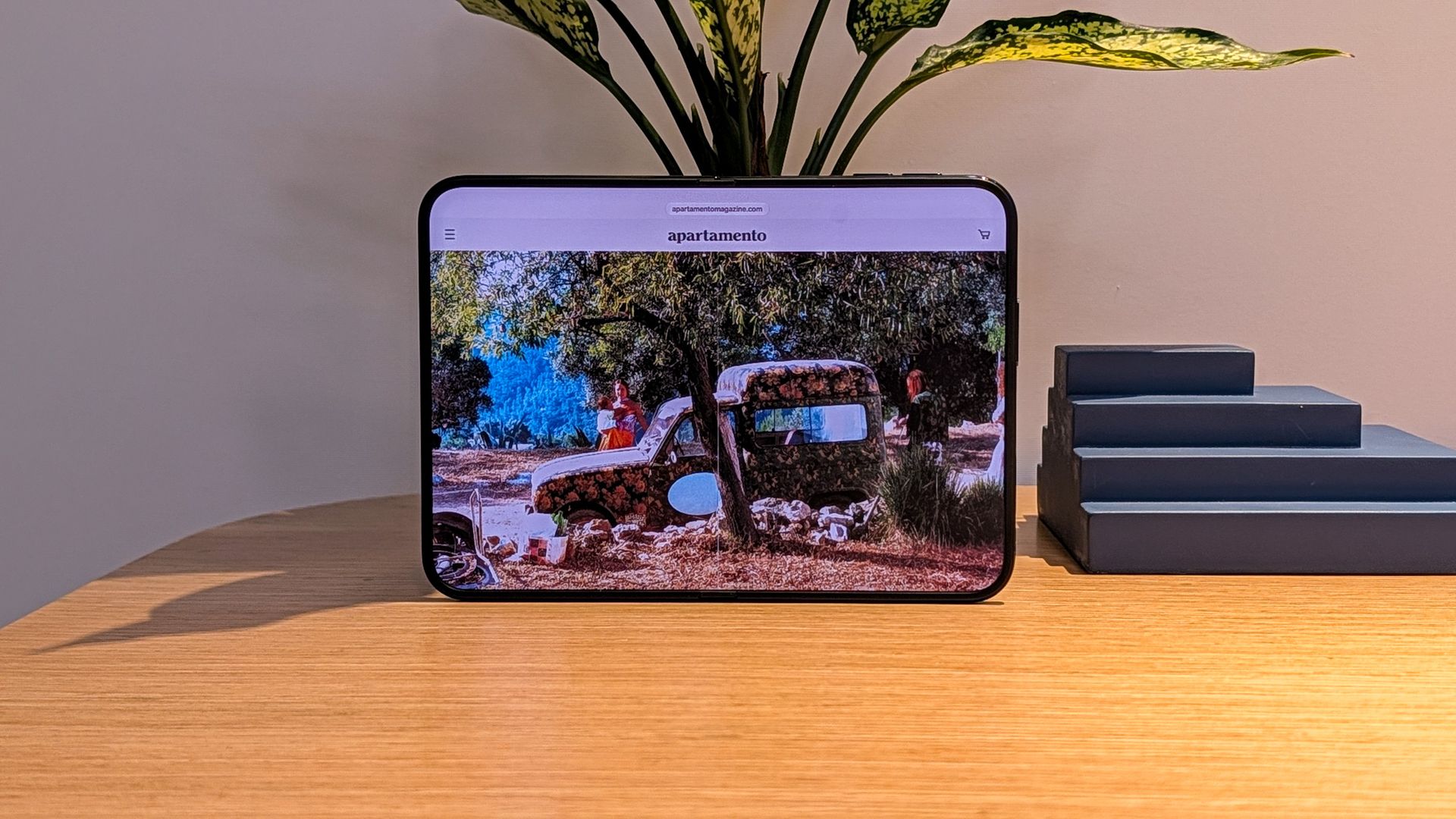
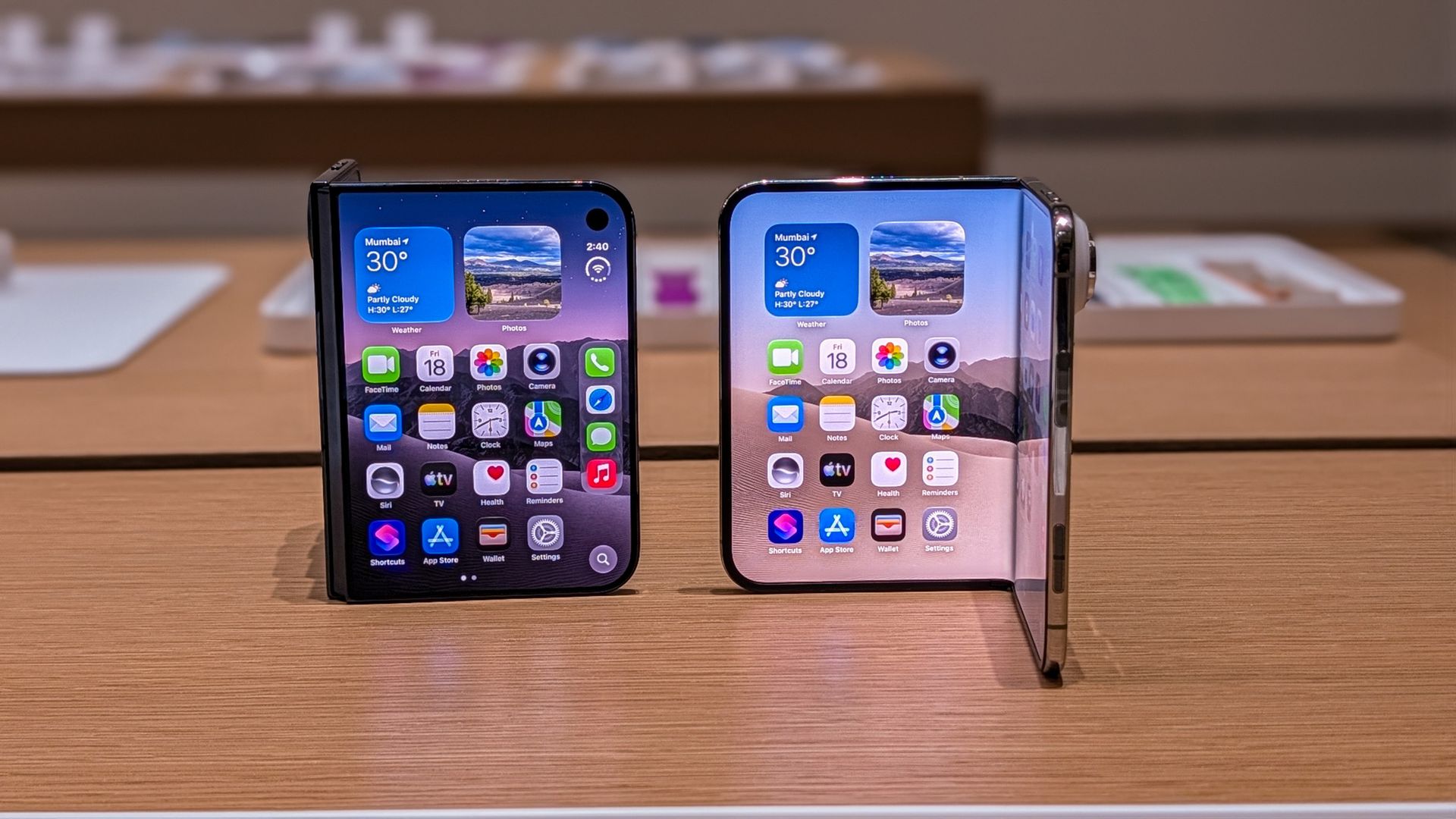
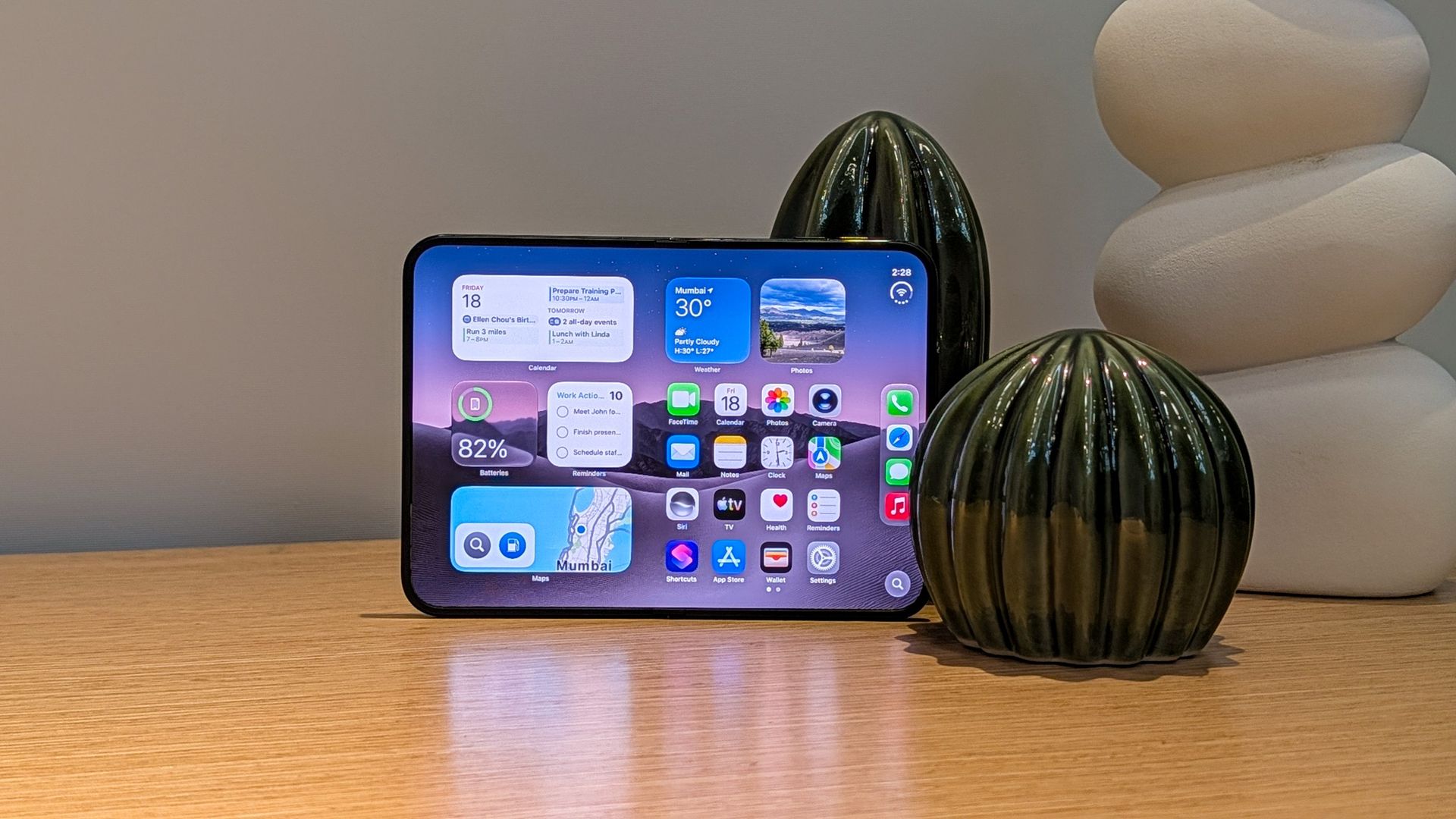
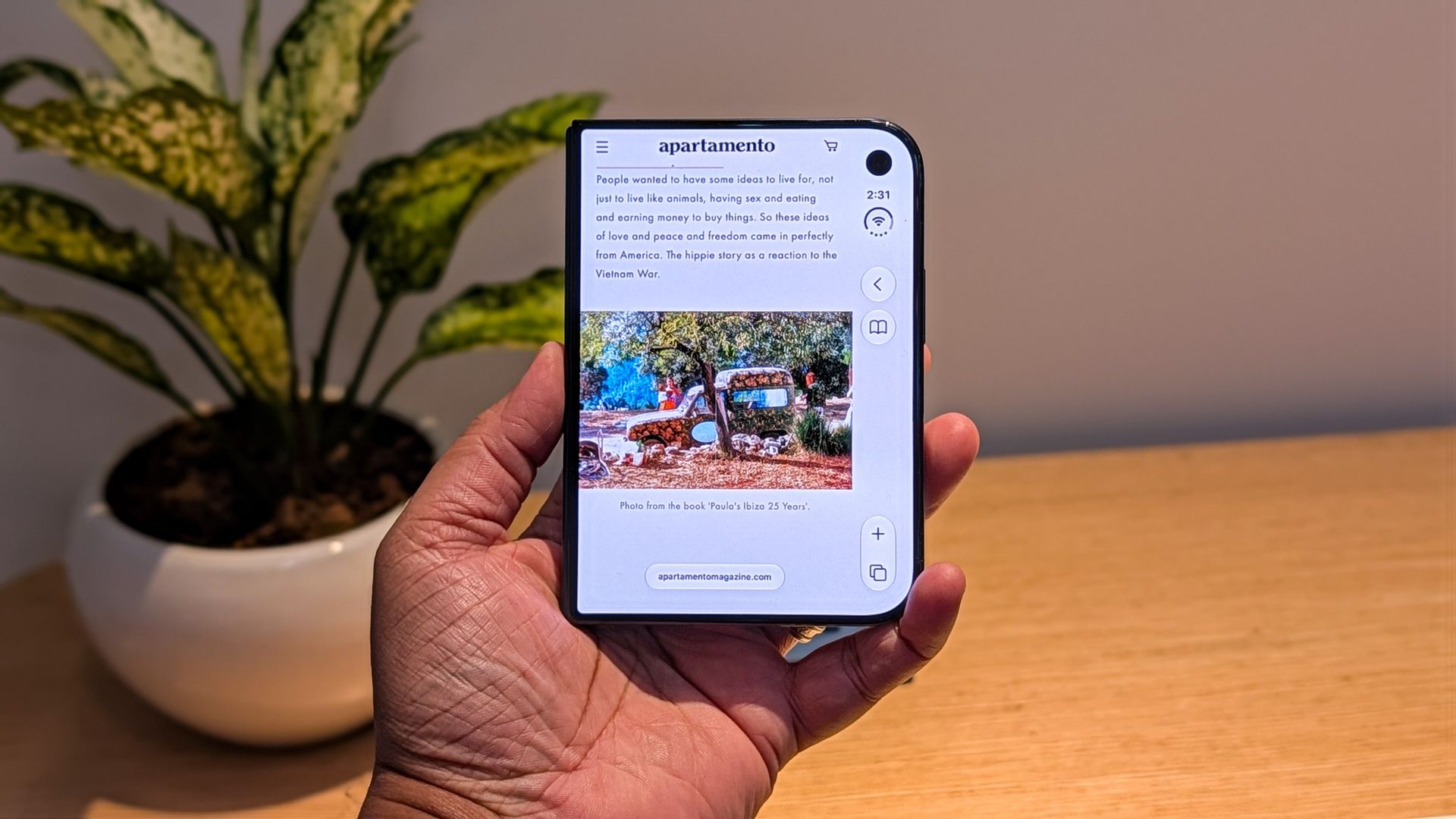
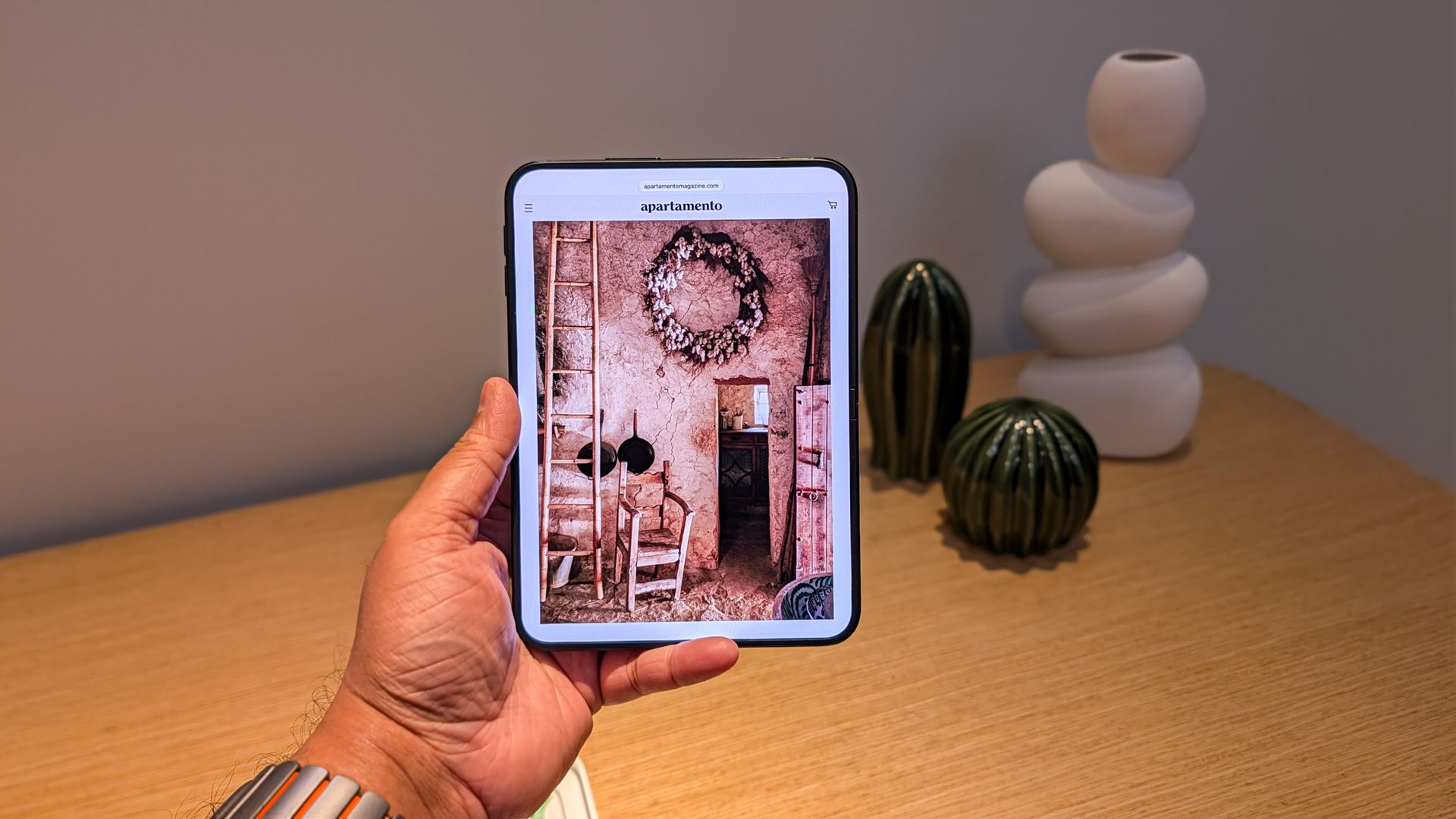
Chinese flagships like the Find X9 Ultra, X9 Pro, Vivo X300 Ultra, X300 Pro, and the Xiaomi 17 Ultra do such a good job in this area that I didn’t spot the Pixel 11 Pro XL’s obvious limitations with the sensor size and resolution. Anyway, I got usable shots (if not the best quality or detail), but it reinforced the idea that Chinese phones have a significant lead when it comes to the cameras.
Connectivity is a mixed bag (yet again)
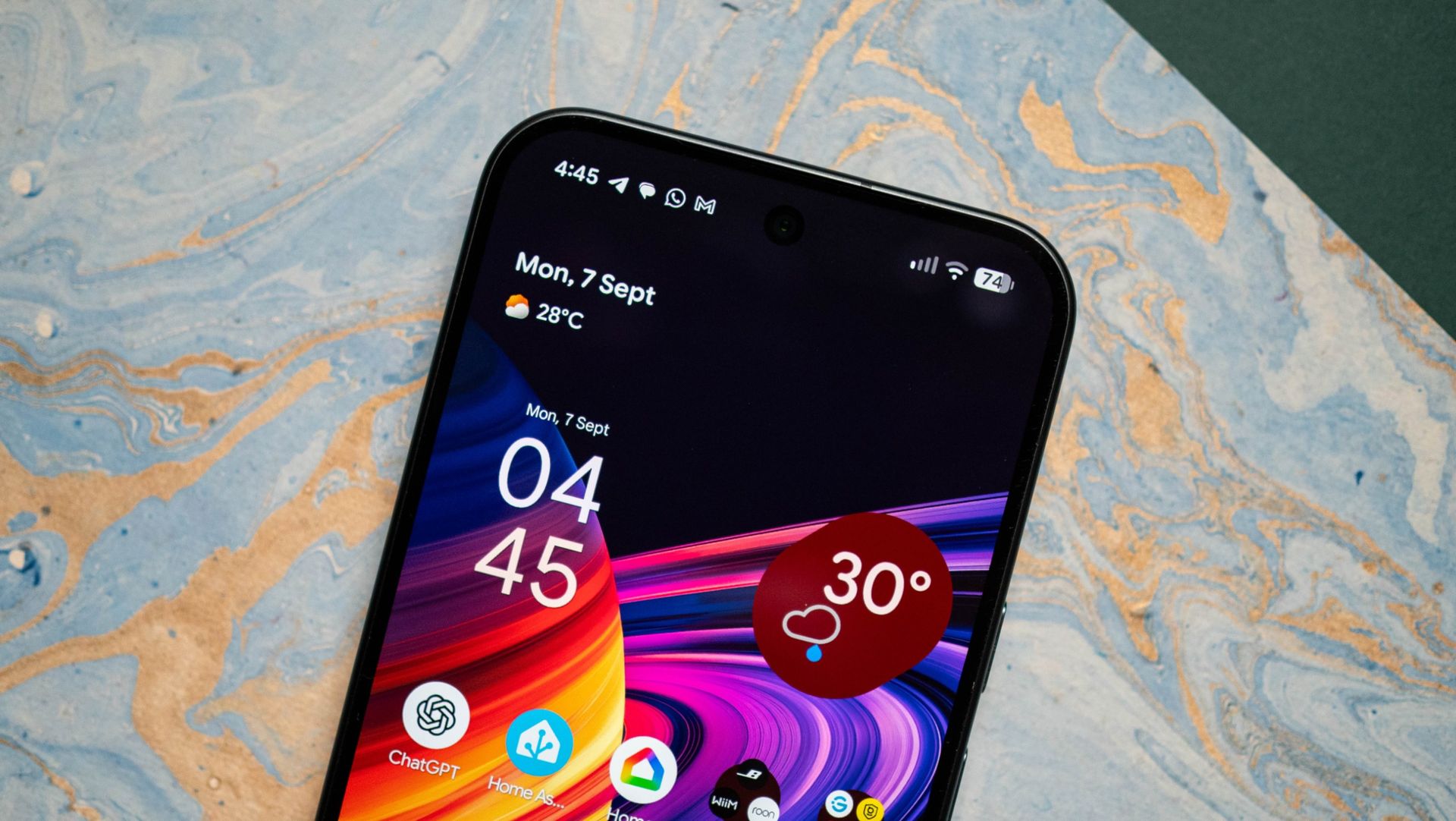
You don’t need me to tell you about the state of the cellular modem on Pixels. With Google switching to a MediaTek modem this year, I thought the Pixel 11 Pro XL would be on par with other high-end phones. While connectivity is better, it wasn’t as reliable as other devices I used in recent months.
I routinely saw an LTE signal in areas where I used to get 5G, and even at home, the signal was spotty. The phone intermittently disconnected from my home network, and I had to manually toggle the internet tile to get it to register on the network again. I get that these are minor quibbles, but I don’t want to see any of these issues on a $1,199 phone — no other flagship has these problems.
Battery life is better than I imagined
The 5,115mAh battery on the Pixel 11 Pro XL is relatively smaller (the Find X9 Ultra has a 7,000mAh unit), but thanks to efficiency gains this year, it manages to last an entire day (and a bit) without any problems.
I got a full day of use even while traveling, and charging it wasn’t as much of a hassle — it takes just an hour to fully charge the battery. On busy days that involve taking hundreds of photos, the Pixel 11 Pro XL managed to last until the night.
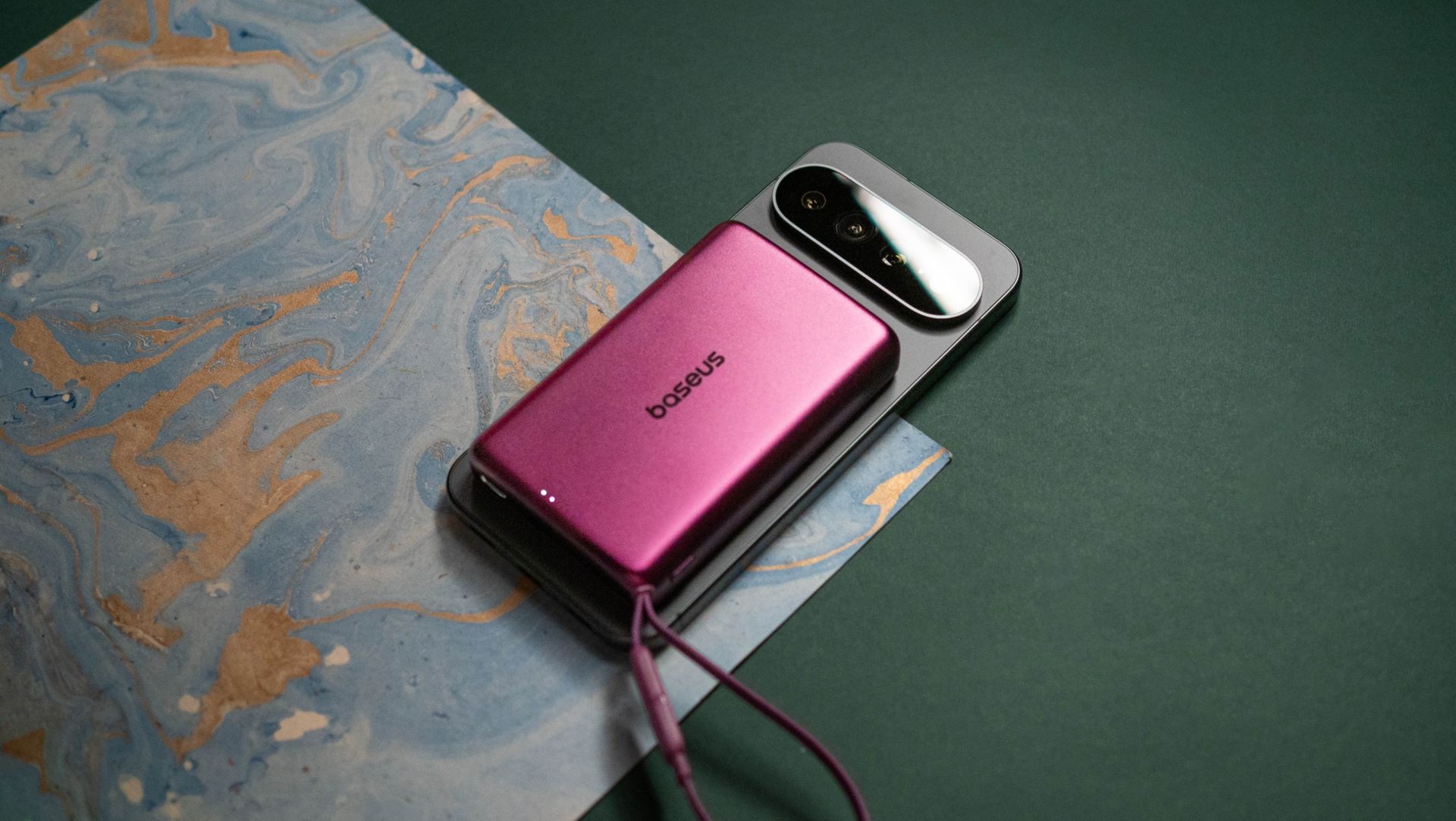
Qi 2.2 integration is a big deal, and not having to use a case makes a real difference. I use Qi 2.2 power banks and chargers daily, and as someone who doesn’t like using cases, it’s great to see native integration on the Pixel 11 Pro XL.
The software continues to be the real highlight
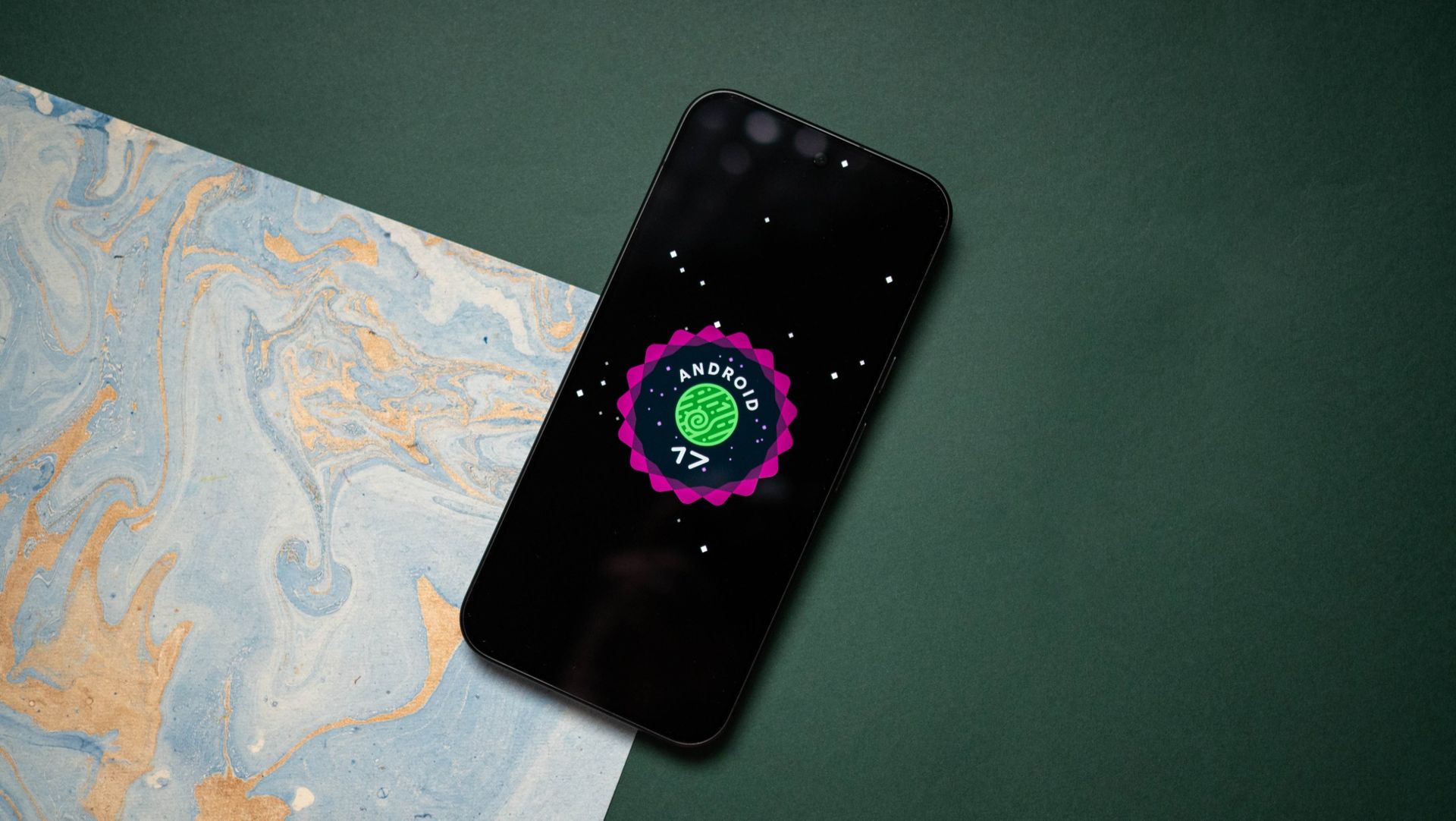
The main reason I use Pixels is the software, and there’s a lot to like in Android 17. Most of the new features are around AI (which I don’t need or use), but Rambler in Gboard is incredibly good, and I need it on other Android devices and the iPhone. I like that Google doesn’t have any bloatware, and the interface itself is clean, has bright colors, and is highly customizable.
Using the Pixel 11 Pro XL made me realize that Google really needs to launch a Pixel Ultra to take on its Chinese rivals. While the phone does a good job against the iPhone 18 Pro Max and the Galaxy S26 Ultra, it doesn’t have an answer to the Find X9 Ultra, Vivo X300 Ultra, and the Xiaomi 17 Ultra, and Google needs to rectify that in coming years.
Although the brand always focused on software to make up the difference with cameras, we are getting to the point with diminishing returns, and Google needs to start using higher-resolution modules and generally deliver better camera hardware.
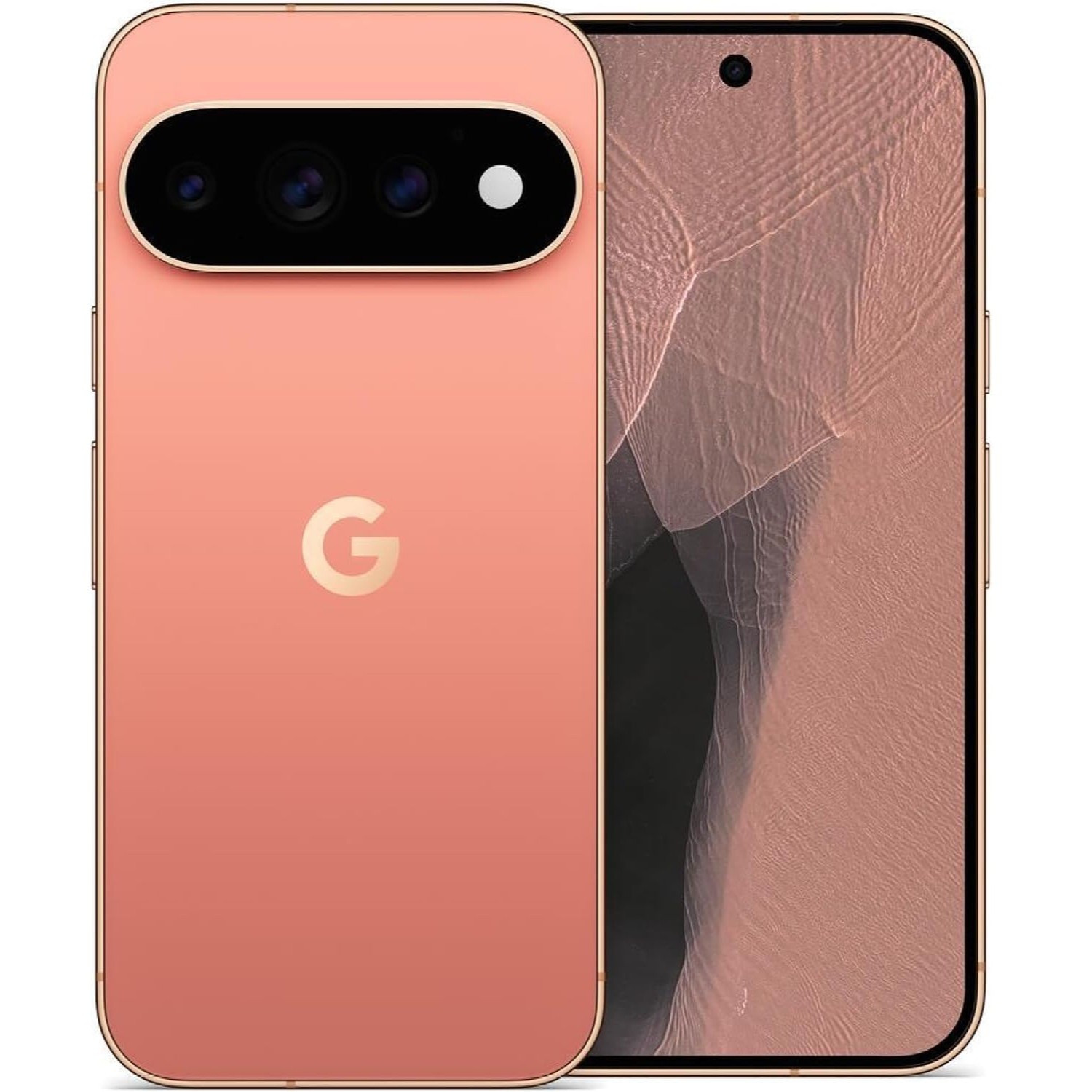
The Pixel 11 Pro XL is a great choice if you’re on an older device and are considering an upgrade. It may not be as good as its Chinese rivals, but it is much better than its predecessors.